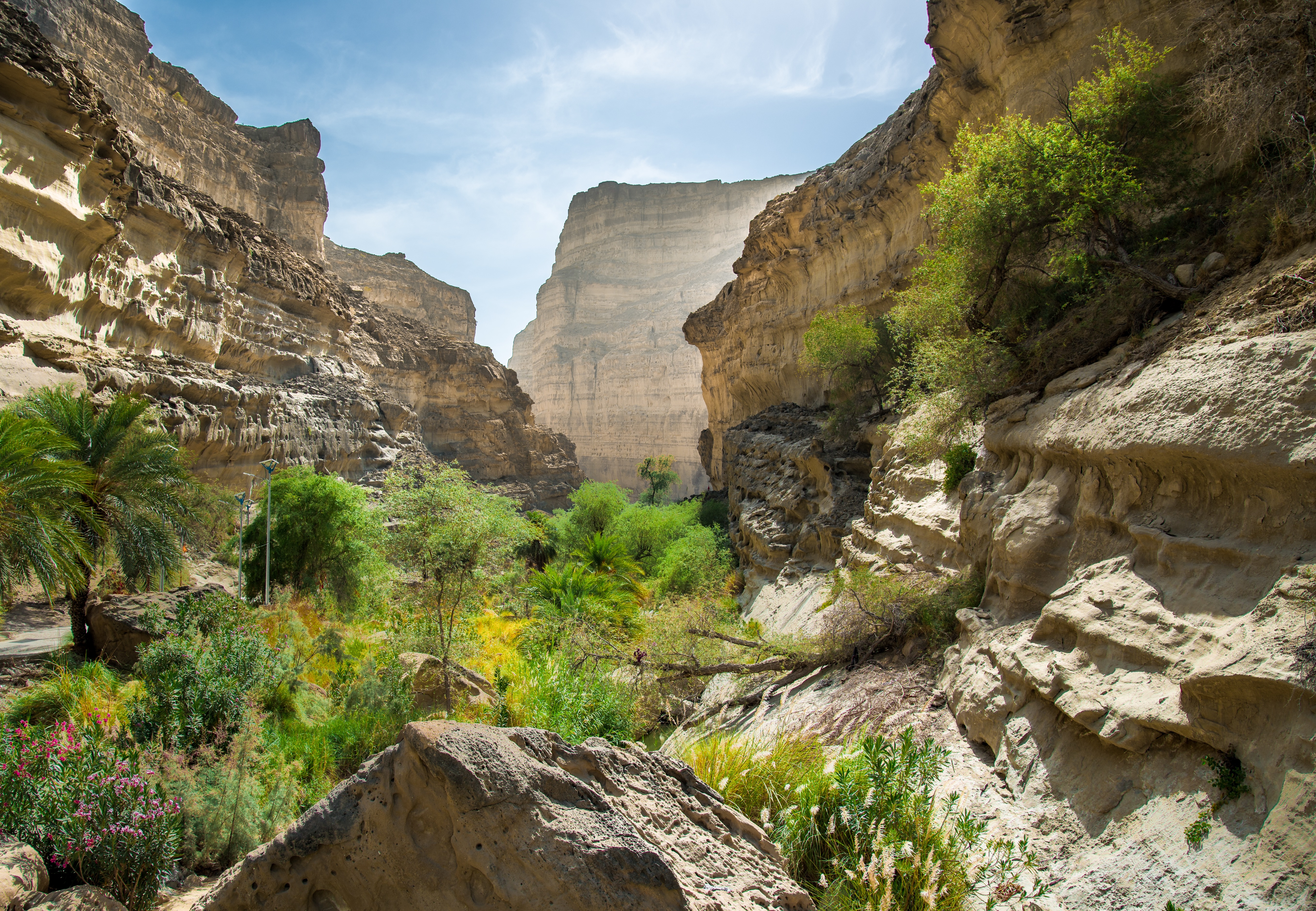
Hinglaj Mata Temple
At the rim of the Chandragup mud volcano, a pilgrim must stand before the group, state their full name and place of origin, and confess their sins aloud. The mud bubbles. The wind shifts. According to tradition, the charidaar -- the spiritual guide -- reads these signs to determine whether the sins are forgiven. This ritual, performed at a 300-foot-high cone of grey mud in the Balochistan desert, is the first station of the Hinglaj Yatra, the largest Hindu pilgrimage in Pakistan. More than 250,000 people make this journey each spring, traveling to a cave temple in a narrow gorge where, according to Shaktism tradition, a fragment of the goddess Sati's body fell to earth.
The Cave in the Canyon
Hinglaj Mata Temple sits in a narrow gorge in the remote hills of Lyari Tehsil, 250 kilometers northwest of the Arabian Sea coast and 80 miles west of the Indus River's mouth. The cave shrine lies at the end of a range of the Kirthar Mountains, on the western bank of the Hingol River, within Hingol National Park. It is one of 51 Shakti Peethas -- sacred sites in Shaktism tradition where pieces of the goddess Sati are said to have fallen after Vishnu scattered her remains to stop Shiva's cosmic dance of grief. A fragment of Sati's upper head is believed to have landed here, making Hinglaj one of the most important pilgrimage destinations in all of Hinduism. Scholars have traced the shrine's origins even further back, linking it to the Bactrian goddess Nana, worshipped by Parthian, Saka, and Kushan peoples.
Where Hindu and Muslim Devotions Meet
What makes Hinglaj remarkable is that it is not only a Hindu shrine. Local Zikri Muslims also revere the site, calling it Nani Mandir -- the Maternal Grandmother's Temple. Muslim tribes provide security for the shrine and make their own pilgrimages there, calling the journey Nani Ki Haj. The 18th-century Sufi poet Shah Abdul Latif Bhitai composed his Sur Ramkali in reverence to Hinglaj Mata and the visiting jogis. Legend holds that Bhitai himself made the arduous desert crossing to offer milk at the shrine, and that the goddess appeared before him. This interfaith devotion, sustained across centuries in one of Pakistan's most isolated regions, defies the sectarian narratives that dominate outside accounts of religion in this part of the world.
One Hundred Sixty Miles of Faith
The annual four-day pilgrimage takes place each April. Before the Makran Coastal Highway opened in 2004, reaching Hinglaj required walking more than 160 miles across isolated desert from the nearest road. Some pilgrims still cycle the route, believing that greater physical hardship earns greater divine grace. Today, most arrive by bus from Karachi, a four-hour drive on the highway. The largest contingent comes from the Tharparkar District of Sindh, which has the greatest concentration of Hindu population in Pakistan. They arrive in heavily embroidered clothes, women wearing bangles, children experiencing the only festival break from their working lives. On the third day, priests recite mantras at the cave shrine, invoking the gods to accept offerings and grant blessings. Pilgrims bathe in the sacred Hingol River. Some scatter rose petals; others paint their faces with volcanic clay.
A Shrine Under Pressure
In 2008, Pakistan's Water and Power Development Authority proposed building a dam on the Hingol River that would have flooded access roads to the temple. The Hindu community protested, and the Balochistan Assembly intervened. WAPDA initially offered to relocate three sacred sites to higher ground, but the Hinglaj Sheva Mandali rejected the proposal, arguing that these places embodied the Swayambhu concept -- divine presence in the natural landscape itself -- and could not simply be moved. After a year of negotiations, WAPDA agreed to shift the dam site several kilometers north. The episode illustrated both the vulnerability and the resilience of religious heritage in a region where development pressures and cultural preservation exist in constant tension. The valley, the volcano, the desert crossing -- all are considered the body of the goddess herself. You cannot relocate a deity.
From the Air
Located at 25.51N, 65.52E in a narrow gorge within Hingol National Park, Lasbela District, Balochistan, Pakistan. The temple is in a cave on the west bank of the Hingol River. Nearest airports are Karachi (OPKC) to the east (328 km by road) and Gwadar (OPGD) to the west. Best viewed at 2,000-4,000 feet AGL. The Chandragup mud volcano complex is nearby and visible as conical mounds. The Hingol River canyon system provides a dramatic visual reference.