History of El Paso, Texas
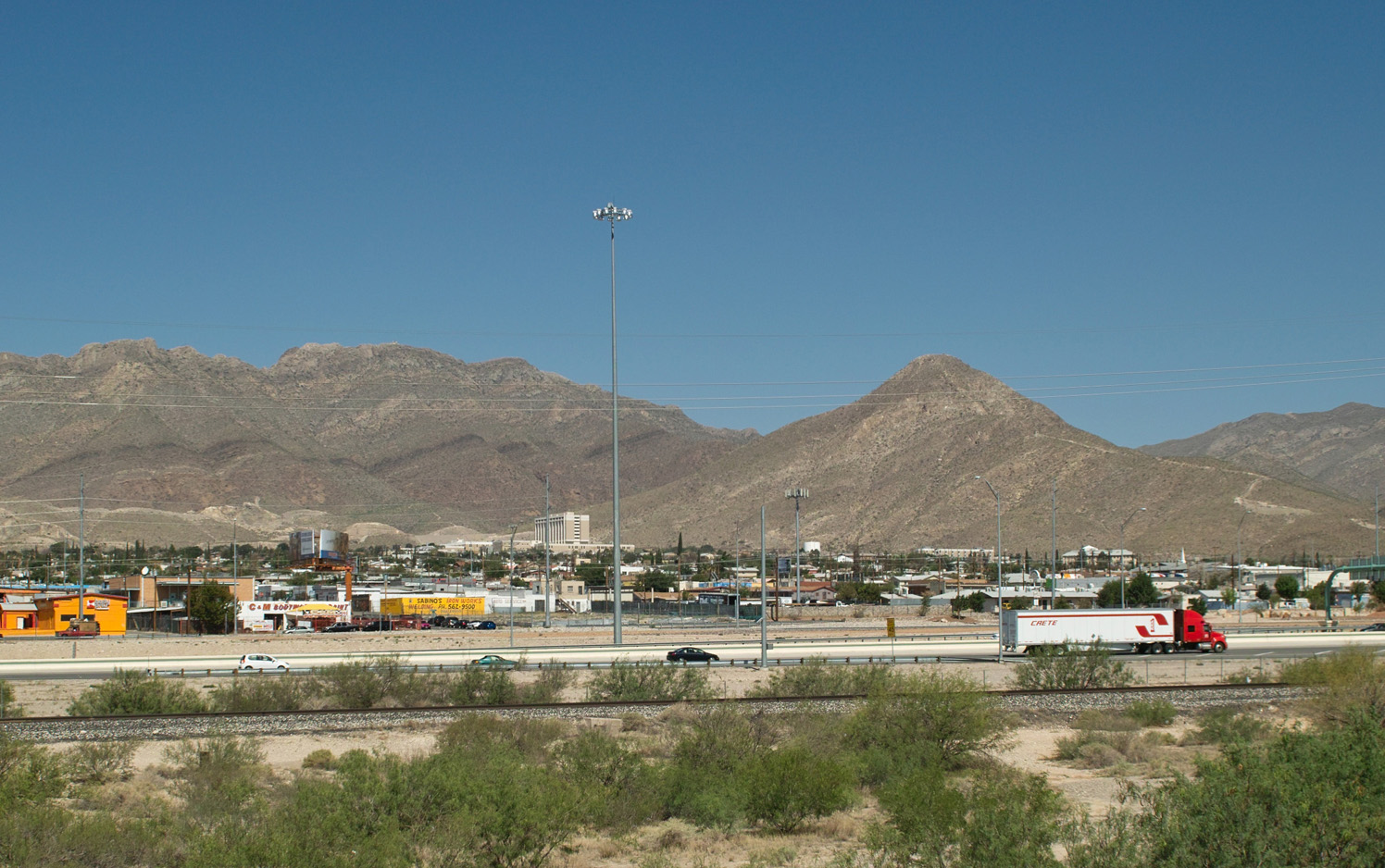
El Paso exists because of a gap in the mountains. Long before Europeans arrived, indigenous peoples recognized this passage where the Rio Grande cuts between the Franklins and the Sierra de Juarez. Spanish missionaries built their churches here. Mexican ranchers irrigated their fields. American soldiers guarded the crossing. And railroads made it boom. The history of El Paso is fundamentally a story of movement: of people, goods, and ideas flowing through a natural chokepoint that three nations have called their own.
Ten Thousand Years at the Pass
Archaeological evidence at Hueco Tanks and the Keystone Wetlands reveals human presence in the El Paso region spanning millennia. The distinctive huecos -- natural rock basins that collect rainwater -- made survival possible in the Chihuahuan Desert. Ancient peoples left painted pictographs on the rocks, images created with hematite rather than carved petroglyphs more common elsewhere. When Spanish explorers arrived, they found maize-farming peoples who had adapted to this harsh landscape for generations. The Manso, Suma, and Jumano peoples would soon be absorbed into the mestizo culture of colonial New Spain, their names surviving mainly in historical records and place names.
Spanish Missions and the Pueblo Revolt
Fray Garcia de San Francisco founded El Paso del Norte in 1659 on the south bank of the Rio Grande, in what is now Ciudad Juarez. Spanish colonizers built an elaborate irrigation system, transforming desert into vineyards and orchards. But the northern frontier remained dangerous. Apache raids prevented settlement on the river's north bank. Then came the Pueblo Revolt of 1680, when indigenous peoples in New Mexico expelled the Spanish in a coordinated uprising. Fleeing refugees from the northern missions founded settlements along the Rio Grande that still exist today: Ysleta, Socorro, and San Elizario. El Paso became the temporary capital of Spanish New Mexico until Diego de Vargas led the reconquest of Santa Fe in 1692. Three Spanish missions from this era still function as active Catholic churches.
From Mexico to Texas
Mexican independence in 1821 changed little for El Paso del Norte. The region remained part of Chihuahua, its wine and produce flowing south to Mexican markets. American fur trappers and merchants began appearing in the 1820s, some marrying into local elite families. But the Texas Revolution of 1836 bypassed the region entirely -- El Paso was never part of the Republic of Texas. Everything changed with the Mexican-American War. The Treaty of Guadalupe Hidalgo in 1848 drew the international boundary along the Rio Grande, splitting communities that had existed for two centuries. The Compromise of 1850 placed the American settlements in Texas rather than New Mexico. A military post, eventually named Fort Bliss, was established to protect travelers on the road to California.
Railroads and the Boom
The transformation came with iron rails. When the Southern Pacific, Texas and Pacific, and Santa Fe railroads converged at El Paso in 1881, a dusty border crossing became a roaring boomtown. Population surged from hundreds to 10,000 in less than a decade. Hotels, saloons, and gambling halls sprouted along the new streets. El Paso earned its reputation as the 'Six-Shooter Capital' for the violence that accompanied rapid growth. The El Paso and Northeastern Railway, chartered in 1897, extended into the mining districts of southern New Mexico, bringing copper ore to local smelters. Prohibition-era bootlegging further enriched certain businessmen willing to work both sides of the border. By the 1920s, El Paso had evolved from frontier outpost to modern city.
A Tigua Legacy Stolen
Not all of El Paso's history reflects American ideals. The Tigua people had occupied land around Ysleta since the Pueblo Revolt of 1680, holding title deeded by King Charles V of Spain. In 1874, the Texas Legislature passed an act repealing Ysleta's incorporation, triggering the transfer of over 500 parcels of Tigua property to American speculators within six months. The Tiguas lost nearly all their land. It would take until 1968 for the state of Texas to recognize the tribe, and until 1987 for federal recognition. Today, the Ysleta del Sur Pueblo operates a cultural center and casino on their remaining land -- a fraction of what their ancestors cultivated for three centuries.
From the Air
The history of El Paso unfolded in the valley visible below at approximately 31.79N, 106.42W. The Rio Grande traces the international border, with Ciudad Juarez (the original El Paso del Norte) on the south bank and modern El Paso on the north. Look for the historic missions of Ysleta and Socorro southeast of downtown along the river's course. The Franklin Mountains that created the natural pass rise to the north. Downtown El Paso occupies the area where Anson Mills platted the town in 1859, with the grid pattern still visible from altitude.