Hoboken: Where Baseball Began and Sinatra Was Born
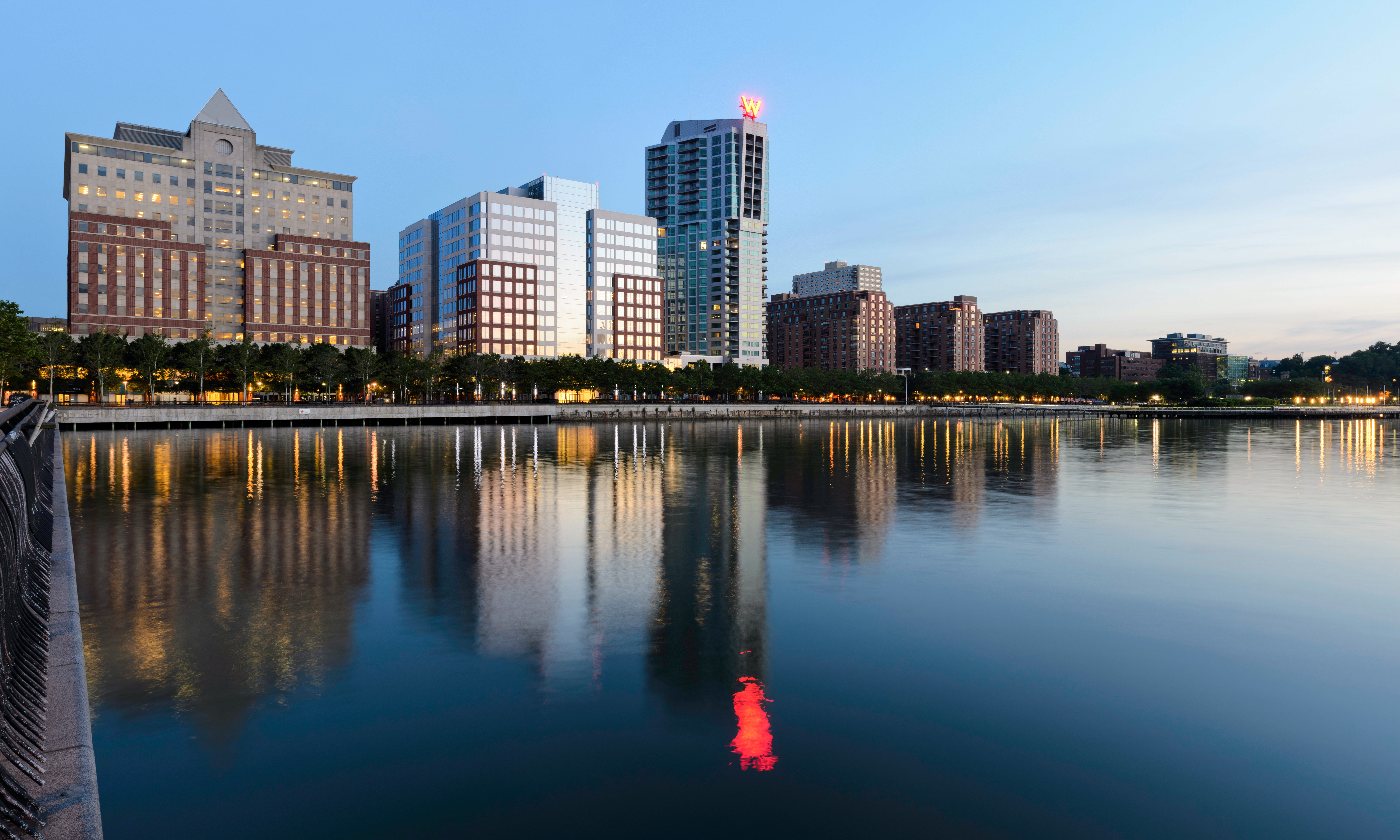
On June 19, 1846, the first organized baseball game under modern rules was played at Elysian Fields in Hoboken, New Jersey - the New York Nine defeating the Knickerbockers 23-1 in four innings. A century later, Frank Sinatra was still listed as Hoboken's most famous native son, born in 1915 to Italian immigrant parents in a city of factories and docks. When Elia Kazan filmed 'On the Waterfront' in 1954, he used Hoboken's working waterfront and its church as locations; Marlon Brando's 'I coulda been a contender' speech echoes through the parks where it was shot. The factories are gone now, the longshoremen replaced by commuters, but Hoboken remains a distinct place - one square mile pressed against the Hudson River, its views of Manhattan so close you could almost swim across, its bars so numerous they call it 'Bartown.'
Birthplace of Baseball
The Knickerbockers, baseball's first organized club, played at Elysian Fields from 1845 until the Civil War, establishing rules that became the foundation of the modern game: three strikes, three outs, ninety feet between bases. The field itself is long gone - a plaque at 11th and Washington streets marks where Alexander Cartwright's rules first governed play. Cooperstown claims the Hall of Fame, but Hoboken claims priority: organized baseball started here, regardless of what Abner Doubleday did or didn't do in upstate New York. The city hosts an annual vintage baseball game using 1840s rules: underhand pitching, no gloves, gentlemanly conduct.
Sinatra's Town
Francis Albert Sinatra was born at 415 Monroe Street on December 12, 1915, son of an Italian immigrant firefighter and a politically connected mother. He grew up in Hoboken's tight Italian-American community, sang in local clubs, and left for bigger stages - but never entirely escaped his origins. The city has embraced him: Sinatra Drive runs along the waterfront, Frank Sinatra Park offers Manhattan views, and a star embedded in the sidewalk at Monroe Street marks his birthplace. The house itself was demolished, but the corner bar where his mother Dolly held court still stands. Hoboken's Italian heritage persists in restaurants and festivals even as gentrification transforms the demographics.
On the Waterfront
Elia Kazan's 1954 film about corruption among Hoboken longshoremen won eight Academy Awards, including Best Picture. Marlon Brando's Terry Malloy, the boxer turned dockworker who testifies against the mob, delivered some of cinema's most quoted lines in locations still recognizable today. The Church of Our Lady of Grace, where Karl Malden's priest confronts the union boss, still holds services. The parks along the Hudson, where Brando and Eva Marie Saint walked, still offer the same Manhattan views. The working waterfront is gone - replaced by condos and the PATH station - but the movie preserved a moment when Hoboken was still gritty, still working-class, still a place where 'I coulda been a contender' meant something.
Bartown
Hoboken has more liquor licenses per capita than any city in New Jersey, earning its 'Bartown' nickname. Washington Street, the main commercial strip, concentrates enough bars within walking distance to satisfy any taste: sports bars, wine bars, Irish pubs, craft cocktail lounges. The PATH train runs until midnight on weekdays and all night on weekends, making Hoboken accessible from Manhattan without driving. St. Patrick's Day transforms the city into an outdoor party; New Year's Eve draws crowds watching fireworks over the Hudson. Many restaurants don't have liquor licenses - BYOB culture allows you to bring your own wine with no corkage fee, a Hoboken tradition.
Mile Square City
Hoboken is literally one square mile, pressed between the Hudson River and the Palisades cliffs. The PATH train connects to Manhattan in minutes - 33rd Street, Christopher Street, World Trade Center. NJ Transit trains terminate at Hoboken Terminal, a copper-roofed Beaux-Arts masterpiece, one of America's great railroad stations. Parking is so scarce that spots sell for $40,000; most residents walk, bike, or train. From altitude, Hoboken appears as a grid of brownstones squeezed onto a narrow riverfront - Stevens Institute of Technology visible on the bluff, the Lackawanna Terminal's distinctive roof marking the southern edge, Manhattan's skyline rising immediately across the water. What appears from the air as Manhattan's first suburb is where baseball began, where Sinatra was born, and where 'On the Waterfront' was shot.
From the Air
Located at 40.74°N, 74.03°W on the Hudson River waterfront directly across from Midtown Manhattan. From altitude, Hoboken appears as a compact grid of development on a one-square-mile peninsula - Stevens Institute on the bluff, the copper-roofed Lackawanna Terminal at the southern tip, Manhattan's skyline rising immediately across the river. What appears from the air as New York's closest bedroom community is where the first organized baseball game was played, where Frank Sinatra was born, and where 'On the Waterfront' was filmed.