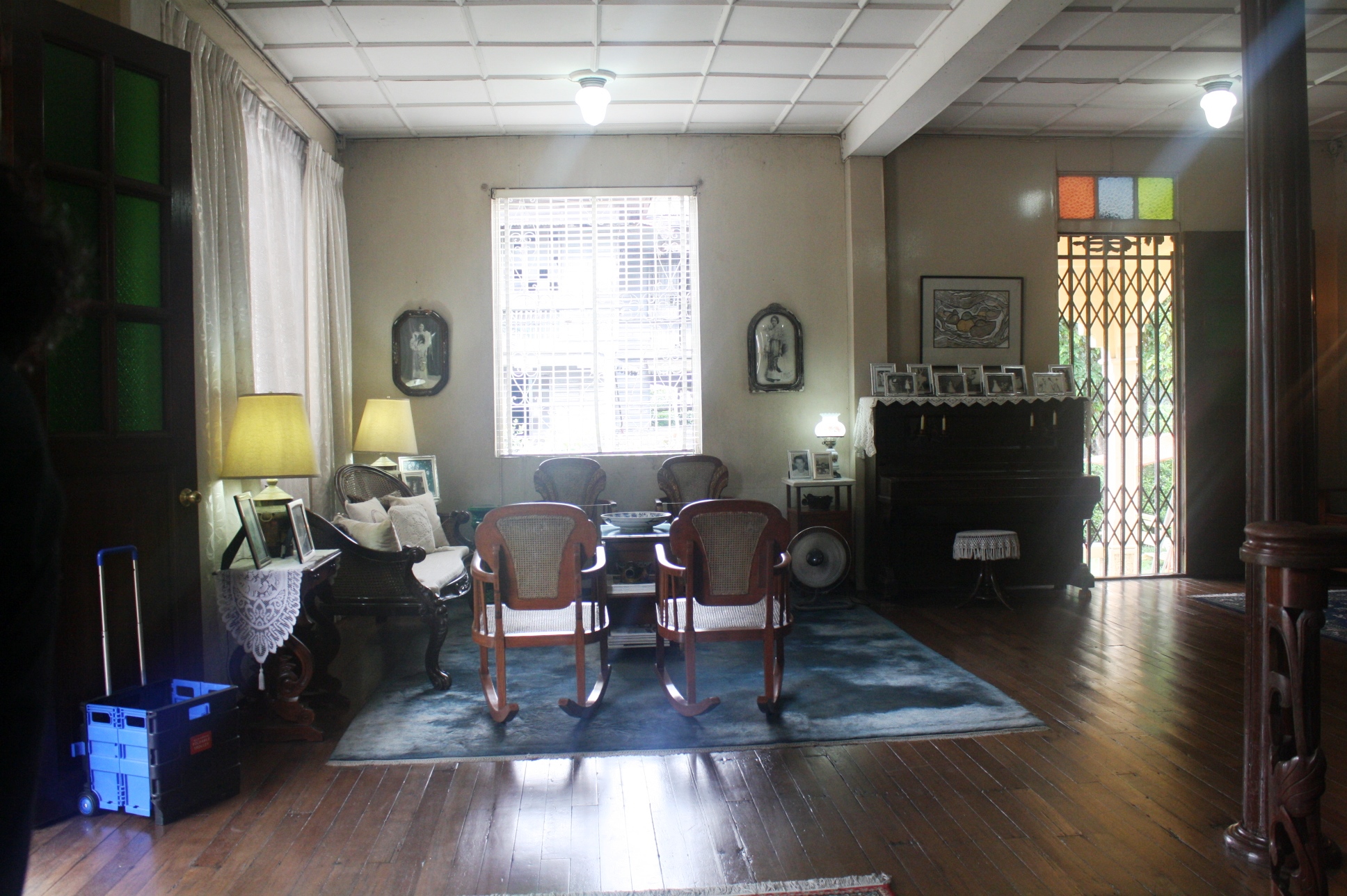
Hofilena Ancestral House
Somewhere on the second floor of a house in Silay City, among more than a thousand collected artworks, hangs a sketch made by the young Jose Rizal, the man the Philippines considers its national hero. Beside it, until recently, hung a painting by Francisco Goya. That a provincial sugar town on the island of Negros would harbor such a collection seems improbable, but the Hofilena Ancestral House has been accumulating improbabilities since Manuel Severino Hofilena built it in 1934 for his wife, former Miss Silay Gilda Ledesma Hojilla, and their nine children.
Art Deco in Sugar Country
Silay's heritage houses span several architectural periods, but the Hofilena house arrived during the 1930s, when Art Deco and Art Nouveau were sweeping the Philippines. The building reflects both influences. Its roof features classic steep and wide eaves, a departure from the galvanized iron sheets that had become standard in Manila, while the broad steps leading to the portico carry the clean horizontal lines of American colonial design. Inside, the dining room, called the comedor, displays Chinese porcelain wares and jars from the Ming dynasty. Some pieces in the collection date back approximately 3,000 years, including an old Israeli oil juglet. The dining area also houses the first wood-printing press in Negros, a machine that Ramon Hofilena, one of Manuel's children, would later demonstrate for visiting guests.
A Gallery Disguised as a Home
The second floor is where the Hofilena house transcends its domestic origins. Owner-curator Ramon Hofilena spent decades assembling a gallery of over 1,000 art treasures, transforming the family residence into one of the most significant private collections in the Philippines. The walls display paintings and sketches by national artists Juan Luna, Felix Resurreccion Hidalgo, Fernando Amorsolo, Ang Kiukok, Vicente Manansala, Hernando R. Ocampo, and BenCab. Until recently, Ramon personally toured visitors through the collection, narrating the provenance of each piece from memory. The intimacy of seeing masterworks in a family home rather than a formal museum creates an encounter that no institutional gallery can replicate.
The Stolen Amorsolo
In 2024, the collection's vulnerability became headline news. An 88-year-old Fernando Amorsolo painting was stolen from the museum. Two suspects smuggled the work out in a bag, and the theft sent shockwaves through the Philippine art world. The National Bureau of Investigation recovered the painting in Quezon City on July 12, 2024, arresting two people on suspicion of attempting to sell it. The painting was returned to the museum on April 25, 2025. The incident underscored an uncomfortable truth about private heritage preservation: the same accessibility that makes the Hofilena house extraordinary also makes it exposed. There are no institutional security systems, no climate-controlled vaults. The collection's guardian was, for decades, a single man who lived among the art he loved.
War, Film, and the BBC
The house carries histories beyond its art collection. During World War II, when the Hofilena family fled to the mountains, Japanese commanders used the building for military meetings. Decades later, in 1989, the BBC television series Far Eastern Cookery filmed scenes here when it featured Ilonggo delicacies. A Canadian film company later used the house as a setting for a documentary on the Negros sugar industry, shown at the Toronto Film Festival in 2011. The National Historical Commission of the Philippines installed a historical marker on April 6, 1993, confirming what the Hofilena family already knew: their home had become something larger than a residence. The narra-wood four-poster beds remain. The embroidered beddings typical of twentieth-century Filipino households remain. But the house now belongs as much to the public memory of Silay as it does to the family that built it.
From the Air
Located at 10.80N, 122.97E on Cinco de Noviembre Street in Silay City, Negros Occidental. The nearest airport is Bacolod-Silay International Airport (RPVB), just a few kilometers south. The heritage houses of Silay cluster along the main streets near the city center, visible from low altitude as older structures amid modern development. Western Negros's flat coastal terrain ensures clear visibility on most days.