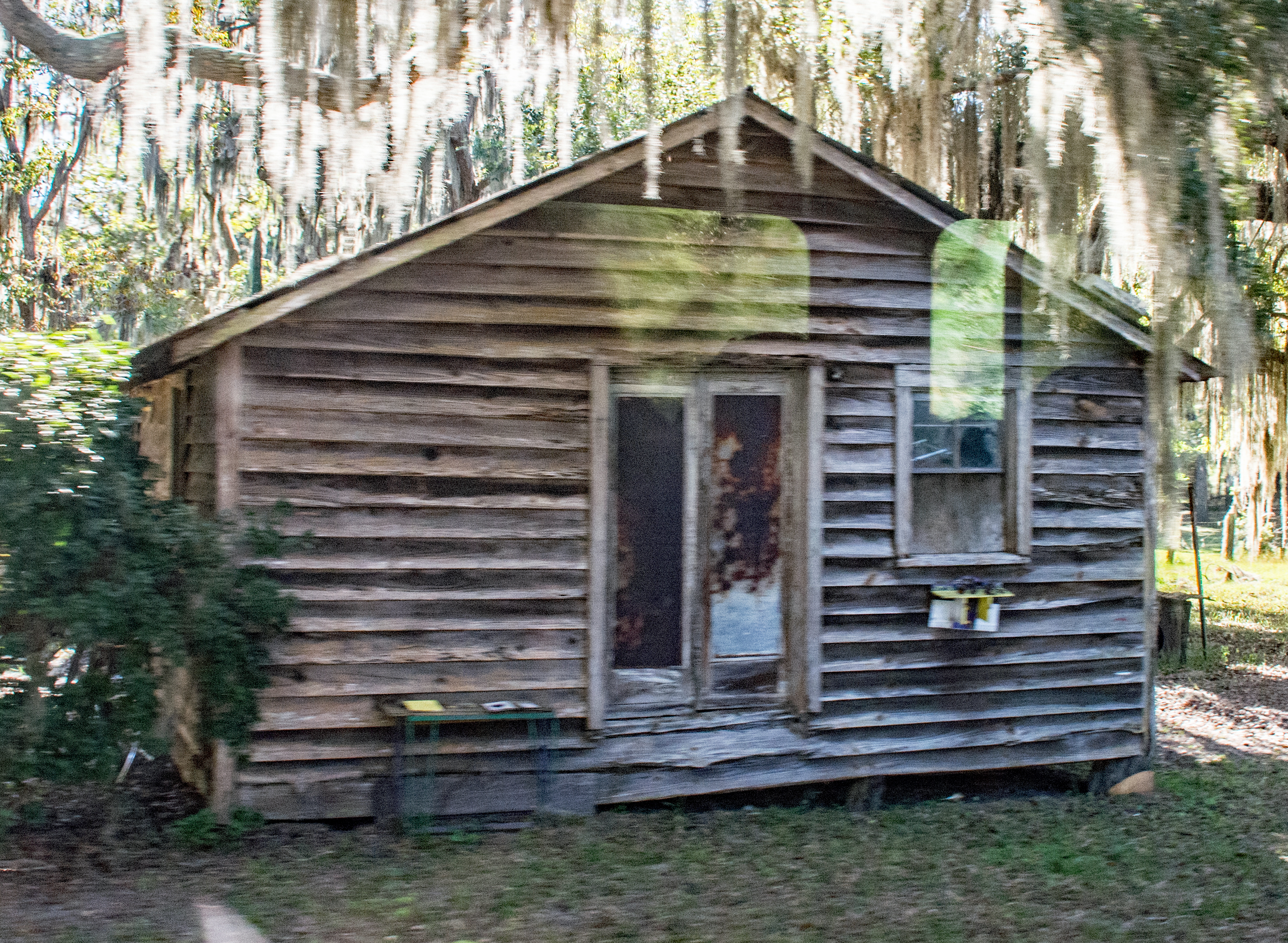
Hog Hammock, Georgia
Forty-seven people. That was the count in 2009 -- the full-time Gullah-Geechee population of Hog Hammock, a community on Sapelo Island off the Georgia coast. Forty-seven people carrying forward a cultural lineage that stretches unbroken from West Africa through centuries of enslavement, emancipation, isolation, and now a modern threat their ancestors never imagined: property tax hikes and zoning changes designed to make room for vacation homes. Hog Hammock is the last known Gullah-Geechee community in the United States, a place where the descendants of enslaved people brought from Senegal and Sierra Leone in the 1700s and 1800s still live on the land where their forebears labored. The island has no bridge. Children take a ferry to the mainland and then a bus to school. Supplies come by boat or from the single small store. The isolation that once protected this community's language, traditions, and way of life now makes it vulnerable in ways that require a different kind of resistance.
Saltwater Roots
The Gullah-Geechee people of Hog Hammock are sometimes called Saltwater Geechees, a distinction that marks their direct descent from West Africans brought across the Atlantic to work the Sea Island plantations. The barrier islands of Georgia's coast -- remote, marshy, and difficult to reach -- created an accidental preserve for African cultural traditions that faded faster on the mainland. Language patterns, basket-weaving techniques, foodways, spiritual practices, and ring shout ceremonies survived here in forms recognizable to linguists and anthropologists studying West African cultures. When emancipation came, the formerly enslaved people on Sapelo Island established several settlements. Over the decades, those communities consolidated. Hog Hammock is the last one standing. Its two churches anchor the community: First African Baptist Church, established in 1866 -- just one year after the end of the Civil War -- and St. Luke Baptist Church, founded in 1885. An older church building at Raccoon Bluff, constructed in 1900, still hosts special services.
A Library in a Schoolhouse
The island school closed in 1978, and since then every child in Hog Hammock has made a daily journey that most American students would find extraordinary: a ferry ride across the sound, then a bus to the mainland schools. The old two-room schoolhouse found new purpose in 2002 when the Sapelo Island Cultural and Revitalization Society, known as SICARS, established the Hog Hammock Public Library inside it. The library holds more than 2,500 cataloged materials, including the Sapelo Island Heritage Collection, and became part of the Three Rivers Regional Library System in 2006. SICARS itself was founded in 1993 by island residents and their mainland descendants, including Cornelia Walker Bailey, an author and cultural keeper whose book about growing up Gullah-Geechee on Sapelo became a landmark work. The organization hosts a Cultural Day festival every third Saturday in October, drawing visitors to an island that otherwise admits outsiders only by state permit or resident invitation.
The Tax Fight
The trouble arrived in increments. In the 1990s, mainlanders began purchasing parcels from Gullah-Geechee families and building vacation homes. Then in 2012, McIntosh County property tax appraisers sent notices that stunned the remaining residents: one homeowner's annual bill leapt from six hundred dollars to twenty-one hundred. The land that Hog Hammock families had held for generations was being reassessed at values driven up by the very vacation homes that were displacing them. Residents who had never needed much cash income -- fishing, gardening, and community barter had sustained them for over two centuries -- suddenly faced the prospect of losing their land to tax bills they could not pay. The fight drew national attention. In 2022, McIntosh County settled the case, freezing some residents' property taxes until 2025 and committing to improve emergency services and road maintenance on the island.
Holding the Line
But the settlement did not end the pressure. In September 2023, McIntosh County commissioners voted three to two to weaken zoning restrictions in Hog Hammock, more than doubling the maximum permissible home size from 1,400 to 3,200 square feet. The move opened the door for larger vacation homes in a community where modest structures had been the norm for generations. Residents, scientists, and state officials raised objections about water system capacity, increased flooding risk from heavier construction, and the erosion of the community's historic character. The commissioner whose district actually includes Sapelo Island voted against the change. The commission chair ended the meeting by saying the new generation on Sapelo "just didn't have it" and blamed residents for selling their land. Legal challenges remain pending. For the forty-seven -- however many remain now -- Hog Hammock is not a historical curiosity or a tourist attraction. It is home, and they intend to keep it.
From the Air
Located at 31.424N, 81.263W on Sapelo Island, a barrier island in McIntosh County, Georgia. The community is a small cluster of structures visible on the island's interior, surrounded by dense maritime forest and salt marsh. Sapelo Island is accessible only by ferry from the mainland at Meridian. Nearest airports: Harry Driggers Airport (9A1, Darien, approximately 8nm west), Brunswick Golden Isles Airport (KBQK, 22nm south). Best viewed at 1,500-3,000 feet AGL. The island is roughly 10 miles long and 4 miles wide, with Hog Hammock located in the south-central portion. Look for the cleared area with scattered structures amid the tree canopy. The Sapelo River and Doboy Sound border the island to the south.