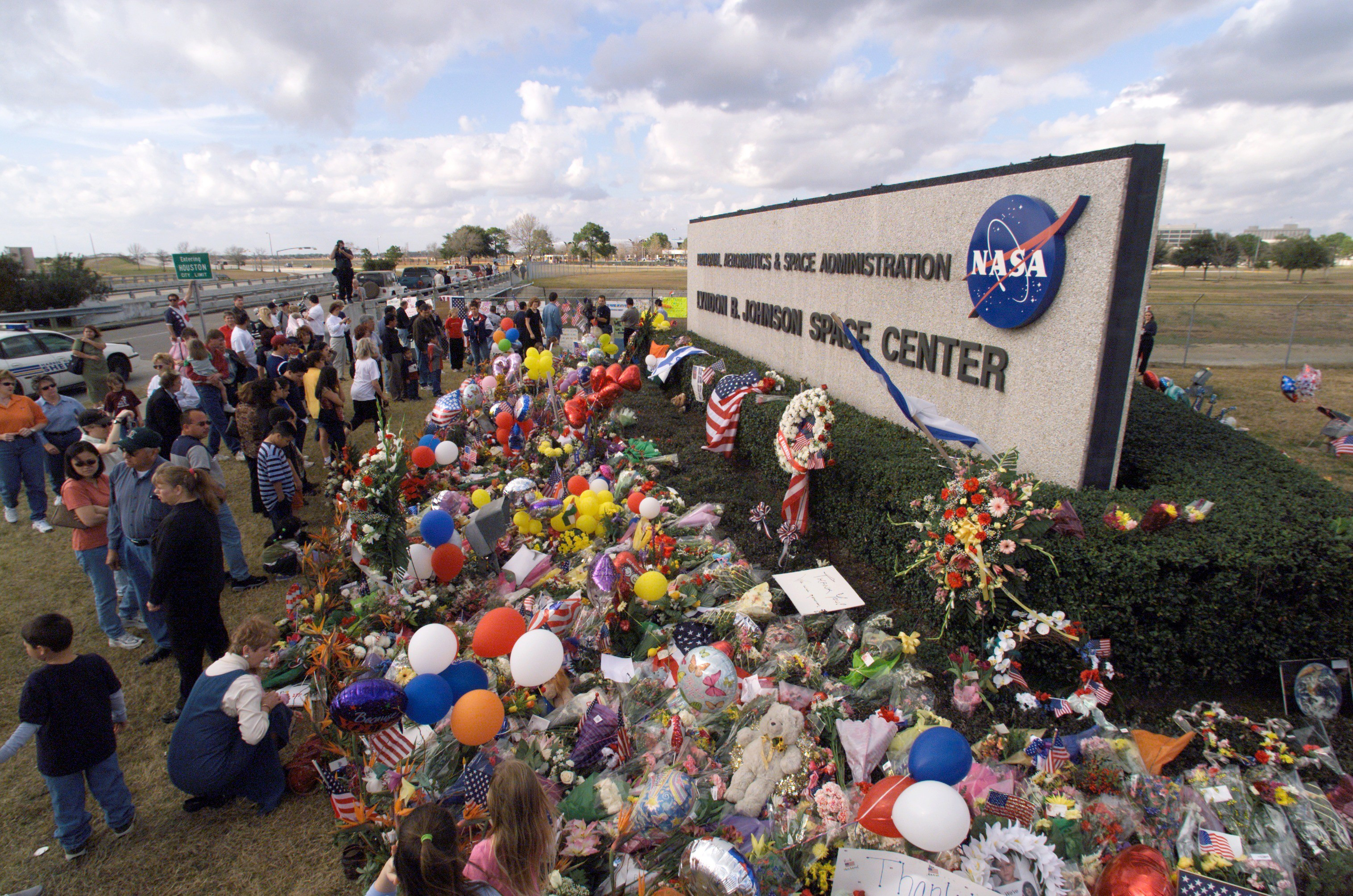
Johnson Space Center: Where Houston Heard the Words From the Moon
'Houston, Tranquility Base here. The Eagle has landed.' The words came from the Moon, but they were heard first in Building 30 of the Manned Spacecraft Center - what is now Johnson Space Center. The Mission Control room that directed Apollo remains, restored to its 1969 configuration, the consoles where flight directors tracked every parameter, the screens where data scrolled in the terminology that became a language unto itself. From 1965 to the present, Houston has been where human spaceflight is managed - Gemini, Apollo, Skylab, Shuttle, Station. 'Houston, we have a problem' was spoken from Apollo 13 to this room. The decisions that saved that crew were made here. The legacy continues; Station operations proceed around the clock from the building next door.
The Center
The Manned Spacecraft Center opened in 1963, relocated from Langley, Virginia, to Houston at the urging of Lyndon Johnson and the Texas congressional delegation. The 1,620-acre complex southeast of Houston became the hub of human spaceflight operations: astronaut training, mission control, spacecraft development. The location was chosen for reasons both practical (barge access, mild climate for year-round training) and political (Texas pork, Johnson's influence). What emerged was the operational heart of American space exploration, the place where astronauts prepared and missions were controlled, renamed Johnson Space Center after LBJ's death in 1973.
The Control
Mission Control Center - MCC - is where flights are managed from launch through landing. During Apollo, the room of consoles became the iconic image of the technological effort behind the astronauts: rows of young men (they were almost all men) with headsets and clipboards, tracking every system, solving every problem. The Apollo MCC has been restored to its 1969 appearance, the consoles with their green-screen displays, the viewing gallery where VIPs watched history happen. The room is a National Historic Landmark, preserved exactly as it was when Armstrong stepped onto the Moon. Modern mission control operates from a different room, managing Station operations continuously.
The Crisis
'Houston, we've had a problem.' Jack Swigert's words from Apollo 13, sometimes misquoted as 'we have a problem,' began the most dramatic hours in spaceflight history. An oxygen tank explosion had crippled the command module 200,000 miles from Earth. The flight directors in Houston had to improvise survival, using the lunar module as lifeboat, calculating power budgets by hand, guiding the crew through procedures never tested. Four days later, the crew splashed down safely. Mission Control earned its reputation: when everything went wrong, the people in Houston brought them home. The story became a movie; the reality was more desperate and more heroic than any film could capture.
The Continuation
Johnson Space Center remains operational. The International Space Station is controlled from Houston, with rotating teams maintaining continuous coverage for the six-person crew. Astronaut training continues in the Neutral Buoyancy Laboratory, a 6.2-million-gallon pool containing full-scale Station mockups. New spacecraft - Orion for lunar return, commercial crew vehicles for Station access - are tested and integrated. The center that began with Apollo continues toward the Moon again, the Artemis program building on foundations laid in the 1960s. The historic Mission Control is museum; the working Mission Control is busy.
Visiting Johnson Space Center
Space Center Houston, the official visitor center for Johnson Space Center, is located 25 miles southeast of downtown Houston. Tram tours access the historic Mission Control Center (currently under ongoing restoration - check availability) and other NASA facilities including astronaut training areas. The museum houses spacecraft including the Independence, a shuttle replica mounted on the original NASA 905 shuttle carrier aircraft. Astronaut encounters are scheduled regularly. Full Saturn V display at the rocket park. Allow 4-5 hours for thorough exploration; tram tours fill early. The experience connects visitors to the actual places where spaceflight history happened - not reproductions but the rooms where decisions were made and words from the Moon were first heard.
From the Air
Located at 29.55°N, 95.09°W southeast of Houston, Texas, on the shore of Clear Lake. From altitude, Johnson Space Center appears as a campus of industrial buildings, the larger structures (Neutral Buoyancy Laboratory, various test facilities) visible among office buildings and parking lots. The rocket park containing the Saturn V is visible as a long structure. Space Center Houston's distinctive architecture marks the visitor center. Clear Lake extends to the south; the channel to Galveston Bay lies beyond. The Houston metropolitan area spreads in all directions. What appears from altitude as a NASA installation is where human spaceflight has been controlled for sixty years - where Apollo was directed, where Station is managed, and where the next lunar missions will be run.