Hualien Railway Culture Park
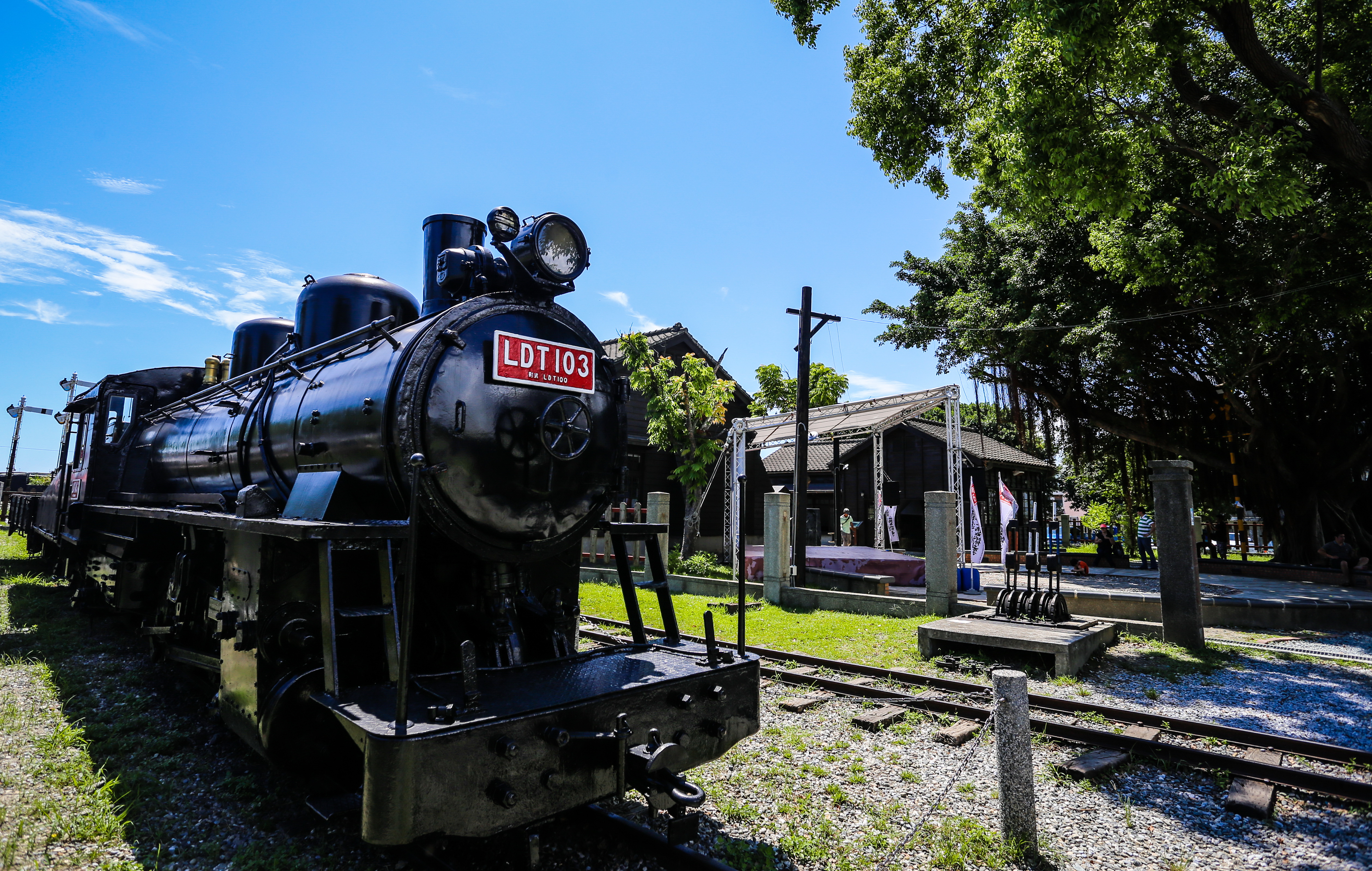
The locomotive sits on a short stretch of track in the courtyard, going nowhere. LDT103, once a workhorse of the East Coast Line, is now the centerpiece of a quiet park in Hualien City where the buildings themselves tell a story of connection and isolation. The Hualien Railway Culture Park occupies what was, from 1932 onward, the Hualien Branch Office of the Railway Department -- the nerve center that controlled the Taitung Line, the narrow-gauge railroad that was, for decades, the only reliable link between Taiwan's remote eastern communities and the rest of the island. The office buildings, renovated but faithful to their original form, now house artifacts from that era: the tools, the timetables, the locomotives that made eastern Taiwan accessible.
The Eastern Line
Taiwan's eastern coast has always been the island's wild side -- cut off from the populous western plains by the Central Mountain Range, connected to the capital only by treacherous mountain passes or long sea routes. The Taitung Line, a narrow-gauge railway running south from Hualien through the East Rift Valley to Taitung, changed that when it began operations in the early twentieth century. The Hualien Branch Office, constructed in 1932, served as the administrative headquarters for this lifeline. From here, schedules were set, locomotives dispatched, and the logistical challenges of maintaining rail service through earthquake-prone mountain terrain were managed daily. The Eastern Line was not glamorous, but it was essential -- the thread that connected farming communities, indigenous villages, and small coastal towns to markets, hospitals, and the wider world.
Narrow Gauge, Wide Impact
Taiwan's early railways were built to narrow gauge, a legacy of Japanese colonial engineering that prioritized economy over speed. The artifacts preserved at Hualien Railway Culture Park tell this story through the physical objects themselves: the compact locomotives, the cramped carriages, the rail sections that seem impossibly slight for the work they did. The park's exhibition halls display the machinery and documents of the Eastern Line's operations, from its construction through the decades of service that followed. A pond and tree-lined grounds surround the historic buildings, creating a contemplative atmosphere quite different from the noise and bustle of nearby Hualien Station, where modern trains on standard-gauge track now handle the eastern route. The contrast between old and new is part of the point. The park asks visitors to consider what rail meant before highways and airports -- when a narrow-gauge line through the mountains was the difference between connection and oblivion.
A Hospital and Its Ghosts
Adjacent to the main park buildings stands the former Hualien Railway Hospital, renovated in 2023 and now open to visitors. Railway workers and their families once received medical care here, a reminder that the railway was not just a transportation system but a complete community -- with its own housing, its own school system, and its own healthcare. The hospital's restoration preserved architectural details from the original structure while making it accessible to modern visitors. Together with the main office buildings, it forms a cultural heritage monument that tells the full story of what it meant to staff and operate a railway in one of the most geographically challenging regions of the island. The park sits just southeast of the modern Hualien Station, an easy walk that spans 90 years of railroading history in a few hundred meters.
From the Air
Coordinates: 23.975°N, 121.611°E, in Hualien City on Taiwan's eastern coast. The park is located southeast of the modern Hualien Station, identifiable from the air by the rail yards and station infrastructure. Hualien City sits at the northern end of the East Rift Valley where it meets the Pacific coast. Nearest airport: Hualien (RCYU), located within the city. The Taroko Gorge entrance is approximately 20 km to the north. The coastline and mountain backdrop make Hualien a distinctive visual landmark from altitude.