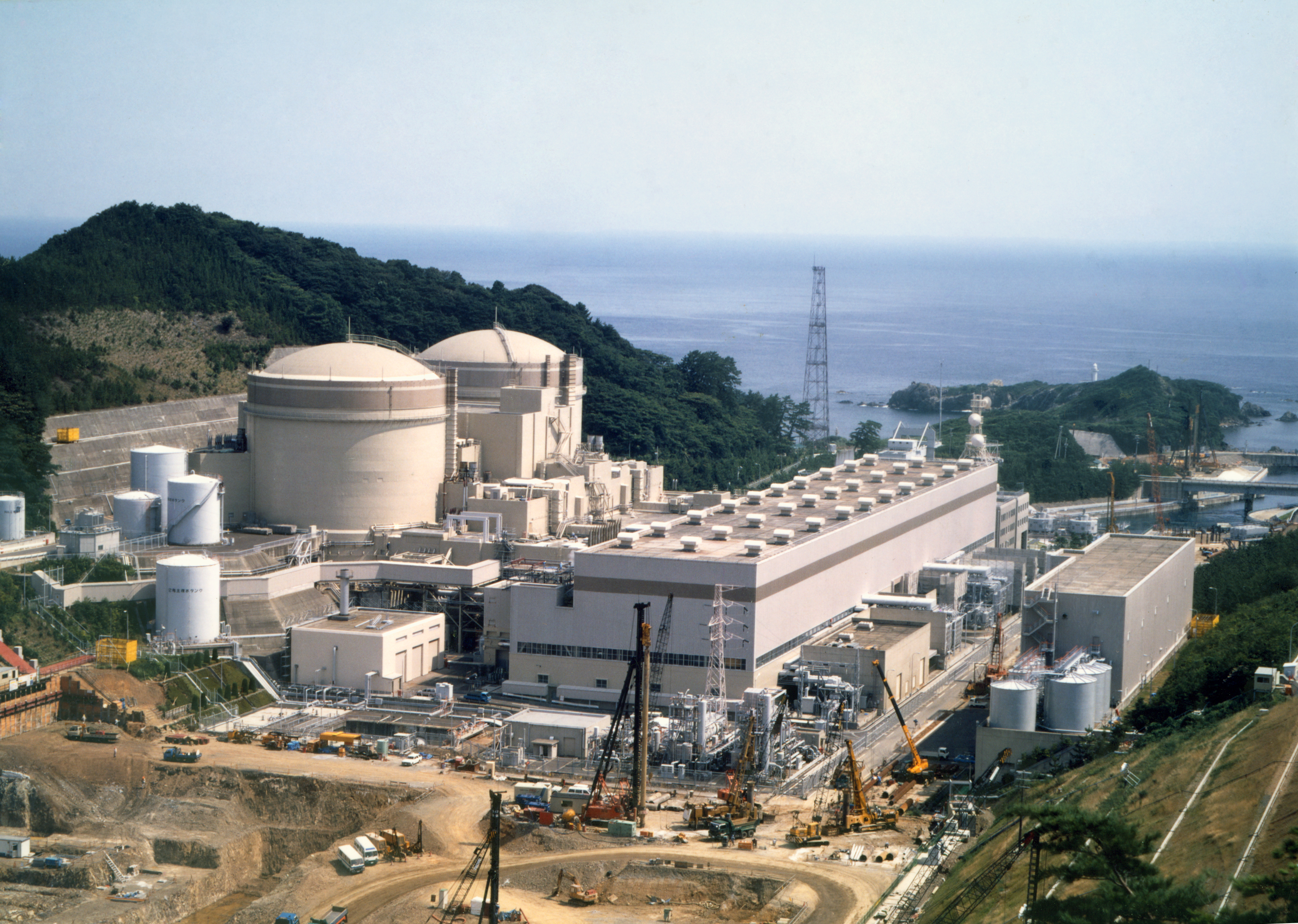
Ōi Nuclear Power Plant
On 1 July 2012, a control room on a rocky promontory above Wakasa Bay hummed back to life. Reactor No. 3 at the Ōi Nuclear Power Plant had just become the first nuclear reactor in Japan to restart since the Fukushima disaster, ending a two-month period during which the world's third-largest economy operated without a single watt of nuclear power. Outside the plant's gates, thousands of protesters had gathered. Inside, engineers from the Kansai Electric Power Company watched their instruments with a mixture of relief and anxiety. The decision to restart Ōi had split Japanese society in two, and the arguments reverberating from this stretch of Fukui Prefecture's coast would define the nation's energy debate for a decade.
The Nuclear Coast
The Ōi plant sits in the small town of Ōi on the southern shore of Wakasa Bay, a rugged inlet on the Sea of Japan side of Honshu. This stretch of Fukui Prefecture coastline is sometimes called "Nuclear Alley" because it hosts more reactors per kilometer than anywhere else on Earth. The plant itself originally comprised four pressurized water reactors. Units 1 and 2 came online in the 1970s, with Units 3 and 4 following later. Before the Fukushima disaster in March 2011, these reactors provided a significant share of the electricity consumed by the Kansai region, home to Osaka, Kyoto, and Kobe. The plant's location, wedged between steep forested mountains and the sea, made it both strategically useful for cooling water and geologically vulnerable, perched near the F-6 fault line that runs north-south directly between the older and newer reactor pairs.
Flashpoint After Fukushima
After the Fukushima Daiichi disaster in March 2011, all of Japan's 54 commercial reactors were gradually taken offline for safety checks. By May 2012, the country had zero nuclear power for the first time in over 40 years. The government faced an estimated 18 percent power shortage in the Kansai region for the coming summer. Prime Minister Yoshihiko Noda pushed for Ōi's restart, but the opposition was fierce. Kyoto Governor Keiji Yamada told Japan's Nuclear and Industrial Safety Agency that his prefecture would not accept the restart. Shiga Governor Yukiko Kada urged against hasty decisions. Citizens of Shiga Prefecture filed lawsuits at the Otsu District Court to block seven Kansai Electric reactors. Of 91 planned safety measures, only 54 had been implemented by April 2012. An earthquake-resistant emergency office would not be finished until 2015. Filtered venting systems and a tsunami protection dam were also years away.
The Brief Revival
Despite the opposition, Ōi's Reactor No. 3 reached criticality on 2 July 2012, and Unit 4 began generating power on 21 July. For a brief window, they were Japan's only operating nuclear reactors, supplying power to millions across the Kansai region during the sweltering summer months. But the reprieve was short-lived. Osaka's city and prefectural governments requested both units be shut down, arguing the power was unnecessary. The newly formed Nuclear Regulation Authority began inspecting the plant against stricter post-Fukushima safety standards. By September 2013, both reactors went offline for mandatory maintenance, and Japan found itself without nuclear power yet again. On 14 September 2013, the day before Ōi's last reactor was scheduled to shut down, some 9,000 demonstrators gathered at Kameido Chuo Park in Tokyo before marching past the Tokyo Skytree, calling for an end to nuclear dependency.
Courts, Decommissions, and a Second Restart
The legal battles were just as intense as the street protests. In May 2014, the Fukui District Court ruled that Ōi Units 3 and 4 could not restart, a landmark decision that placed judicial authority against the government's energy policy. Meanwhile, the aging Units 1 and 2, which had not operated since 2011, faced a different fate. In December 2017, Kansai Electric Power announced their permanent decommissioning, citing their age and the difficulty of retrofitting safety upgrades into their small containment vessels. But the story did not end in shutdown. Unit 3 was restarted on 14 March 2018, and Unit 4 followed on 9 May 2018, this time under the stricter regulatory framework that the post-Fukushima era demanded. The plant that had once been the epicenter of Japan's nuclear debate quietly returned to service, its remaining reactors feeding power into the grid under a watchful new regime of oversight.
A Coastline of Contradictions
Ōi's story is one of contradictions that define modern Japan. A nation with virtually no domestic fossil fuel resources built dozens of reactors along its most earthquake-prone coastlines. A technology that promised energy independence became the source of the country's deepest civic divisions. The plant itself embodies the tension: two reactors permanently retired, two others operating again under rules that would have been unthinkable before 2011. From the air, the Ōi plant appears as a cluster of concrete domes and white buildings tucked into a cove, dwarfed by the dark green mountains behind and the grey expanse of Wakasa Bay ahead. It looks small against the landscape, but few industrial facilities anywhere in the world have carried the weight of an entire nation's reckoning with risk, energy, and the meaning of safety.
From the Air
Located at 35.54°N, 135.65°E on the coast of Wakasa Bay, Fukui Prefecture. The plant appears as a cluster of white industrial buildings and containment domes tucked into a cove along the rugged southern shore. Best viewed at 3,000-5,000 feet for detail. Nearest airports: RJNF (Fukui Airport, approximately 70 km northeast), RJOY (Ominato/Maizuru, south across the peninsula), and RJBB (Kansai International, approximately 150 km south). The Wakasa Bay coastline is lined with multiple nuclear facilities visible from altitude.