Ibera National Park
The jaguar cubs born in Ibera have never seen a human without a fence between them. That is the point. Inside large enclosures in the Argentine wetlands, young jaguars learn to hunt live prey -- capybara, caiman, whatever moves through the marsh grass -- so that when the gates open, they can survive on their own. No jaguar had walked these wetlands for decades. Now they do, because a man who made his fortune selling outdoor clothing decided to buy cattle ranches and give them back to the wild.
The Scale of Water
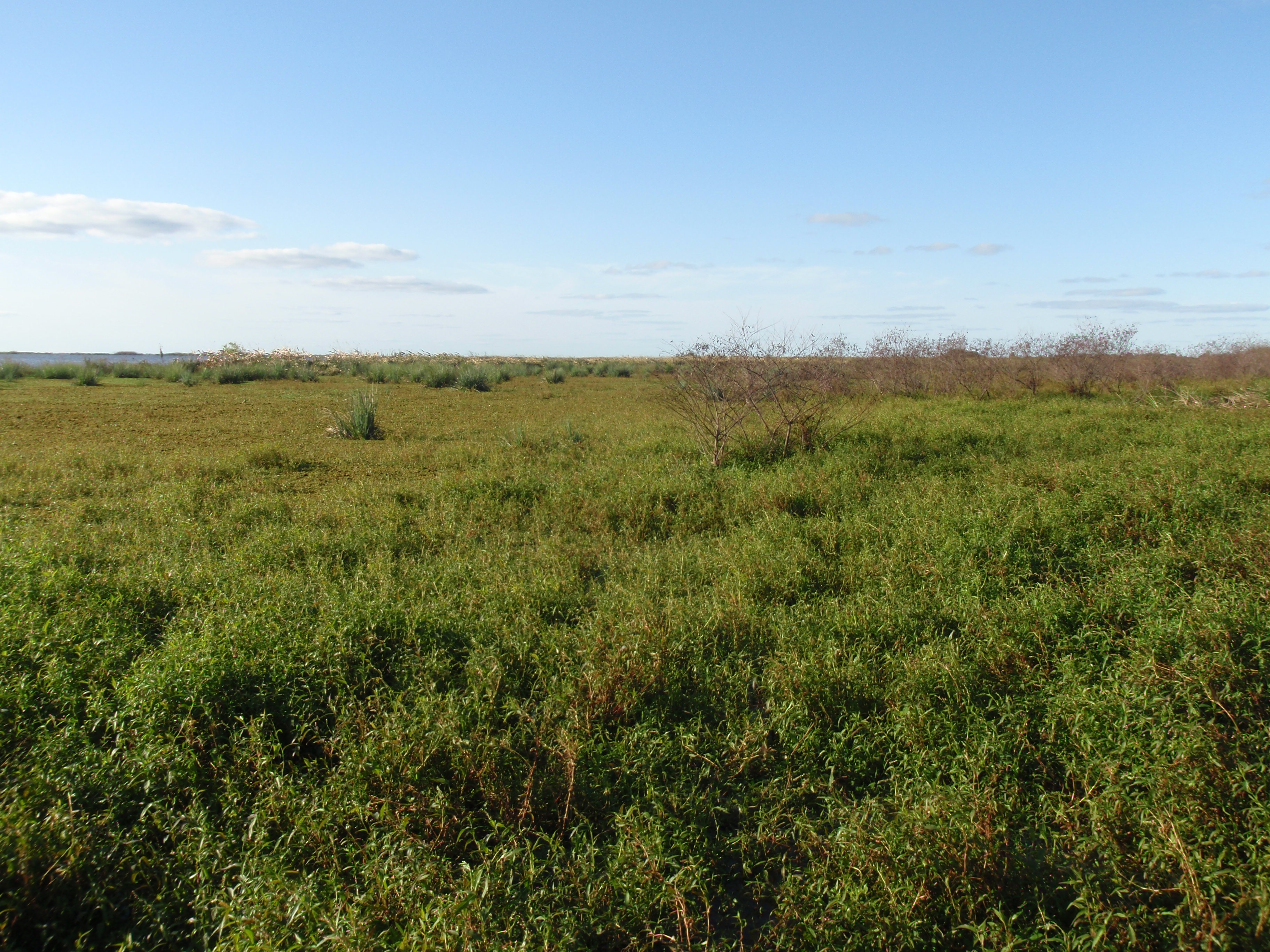
The Ibera Wetlands in northeastern Argentina's Corrientes Province rank among the largest wetland systems on Earth. Within them, Ibera National Park -- created by an act of the Argentine Congress on December 5, 2018 -- adjoins the 5,530 square kilometer Ibera Provincial Park. Together with the surrounding Ibera Provincial Nature Reserve, established in 1982, the combined protected area spans 13,245 square kilometers, making it the largest in Argentina. In 2002, a 24,500-hectare portion earned designation as a Wetland of International Importance under the Ramsar Convention. The landscape is a mosaic of marshes, floating islands of vegetation, open lagoons, gallery forests, and grasslands -- the kind of terrain that looks featureless from a distance but teems with life at every scale.
A Clothier's Second Act
The park exists because of Doug and Kristine Tompkins. Doug, the co-founder of The North Face and later Esprit, began acquiring former cattle ranches in the Ibera region in 1997 through the Conservation Land Trust-Argentina. The vision was radical by any measure: buy degraded ranchland, remove the cattle, and let the ecosystem recover. In 2015, the Trust donated the lands to the Argentine state for the creation of a national park. Doug Tompkins died in a kayaking accident in Patagonia that same year, but Kristine continued the work. The park they set in motion now shelters more than 4,000 species of flora and fauna, including over 360 bird species. Marsh deer and the strange-tailed tyrant -- both classified as vulnerable -- find stronghold populations here. Capybara browse the shorelines in groups. Yacare caiman and broad-snouted caiman patrol the waterways.
Bringing Back the Lost
In 2007, Tompkins Conservation launched what may be South America's most ambitious rewilding program. Working with nonprofit partners -- and later through the offspring organization Rewilding Argentina -- the team began reintroducing species that had vanished from the region during the twentieth century. Giant anteaters returned first, their long snouts probing termite mounds in the grasslands. Collared peccaries followed, then South American tapirs, pampas deer, bare-faced curassows, red-and-green macaws, and red-legged seriemas. The jaguar breeding program became the flagship effort: cubs raised in controlled enclosures where they could develop hunting skills without human contact. Rewilding Argentina also brought back the giant river otter -- one of the rarest mammals in South America -- and the ocelot. Each reintroduction represented years of planning, habitat assessment, and the delicate work of teaching captive-bred animals to be wild again.
When Fire Came
In January and February 2022, wildfires burned nearly sixty percent of the park. At least one blaze was ignited by lightning, but many started on neighboring cattle ranches where fire is a traditional land-management tool. A two-and-a-half-year drought had left the marshes unusually dry, and temperatures exceeded historical records. The grasslands -- evolved with fire and dependent on periodic burning -- would recover. The gallery forests would not recover quickly; they had no evolutionary relationship with fire and burned in ways their trees could not survive. Many animals perished in a landscape where the drought had left little standing water and few unburned refuges. Rewilding Argentina mobilized to rescue as many reintroduced animals as possible, racing against flames that consumed the very habitat they had spent fifteen years rebuilding. The fires underscored a bitter reality: rewilding a landscape means nothing if climate change rewrites the rules that landscape depends on.
From the Air
Located at 28.12S, 57.29W in Corrientes Province, northeastern Argentina. The wetlands are vast and best appreciated from 5,000-8,000 feet AGL, where the mosaic of lagoons, marshes, and floating vegetation islands becomes visible. The landscape appears remarkably flat with water glinting across the terrain. Nearest significant airport: Corrientes Airport (SARC), approximately 150 km to the northwest. Resistencia Airport (SARE) is also nearby across the Parana River.