Ibiza
Ibiza defies easy categorization. To some it's hedonism headquarters, the island where the world's DJs perform summer residencies and clubs charge more for water than restaurants charge for wine. To others it's a bohemian retreat, successor to the artists and dropouts who discovered it in the 1960s before the party industry arrived. To UNESCO, it's a protected biosphere, its Posidonia seagrass meadows maintaining the impossibly clear waters that make the beaches famous. All of these Ibizas are real, coexisting on an island small enough to cross in an hour but varied enough to support completely separate worlds. The official name is Eivissa - Catalan for a place the Phoenicians knew millennia before the first club opened.
Party Island
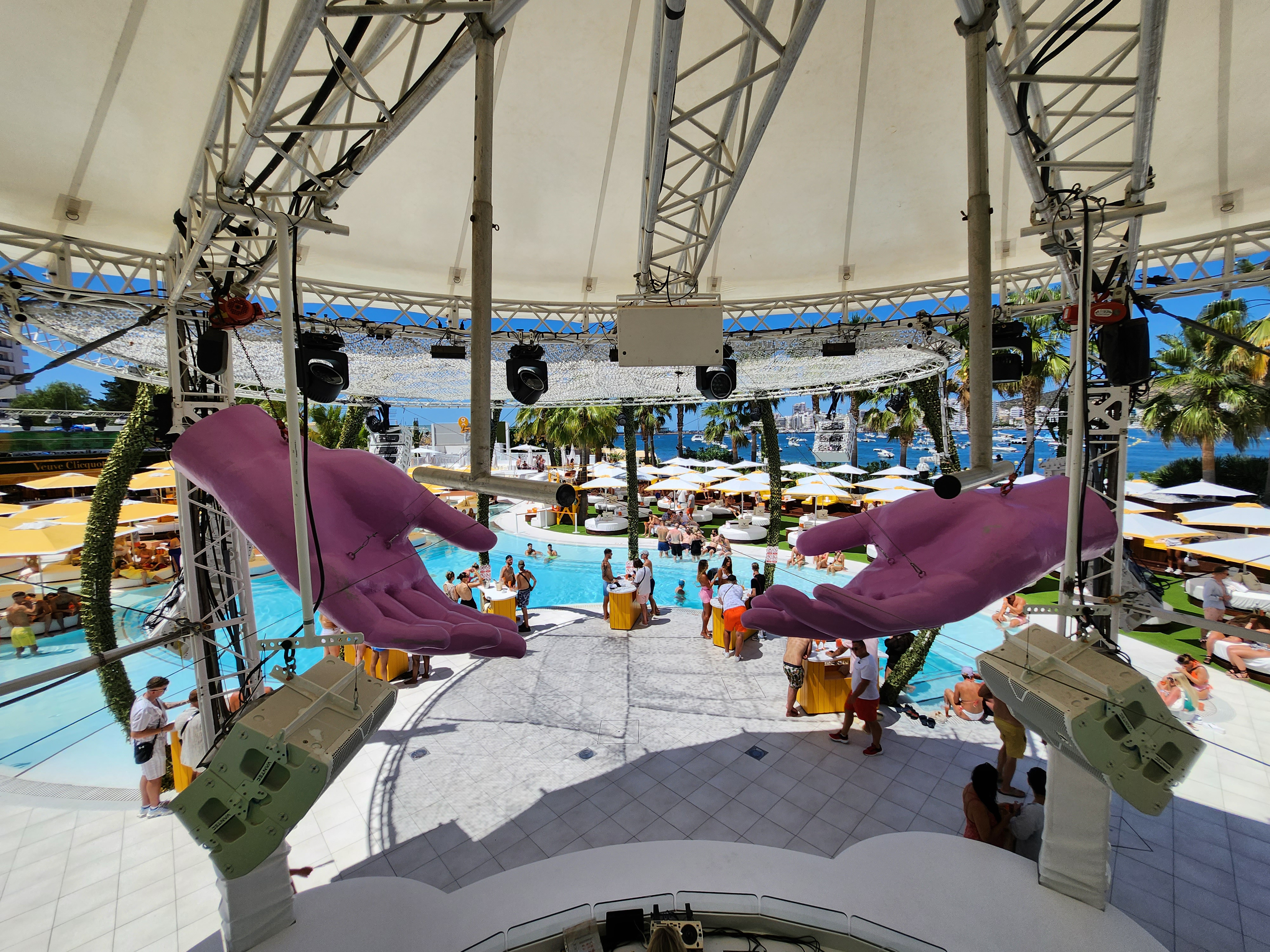
Ibiza's transformation into the global capital of electronic music began in the late 1980s when DJs discovered the island's anything-goes atmosphere and began the summer residency tradition that continues today. Clubs like Pacha, Amnesia, Privilege (the world's largest nightclub), and Eden have hosted generations of dance music evolution, from acid house through trance to today's EDM and techno. The economics are brutal: entry fees reach €80, drinks cost €15, and the parties don't start until after midnight. The Sunset Strip in Sant Antoni draws crowds each evening to watch the sun drop into the Mediterranean from Cafe del Mar and Cafe Mambo, pre-party gatherings where promoters distribute flyers for the night ahead. This Ibiza operates on its own schedule: sleep until afternoon, beach until sunset, dinner at midnight, club until dawn.
The Other Ibiza
Long before the clubs, Ibiza attracted a different crowd. In the 1960s and 70s, artists, writers, and hippies discovered an island where life was cheap, beautiful, and free from the constraints of mainland Europe. That bohemian legacy survives in the hippy markets at Es Canar (Wednesdays) and Las Dalias in San Carlos (Saturdays), where artisans sell handmade jewelry, leather goods, and tie-dye alongside vintage vinyl and organic produce. Bar Anita in San Carlos preserves the atmosphere where the original alternative community gathered. The island's north and interior remain agricultural, olive and almond groves terracing hillsides where farmers have worked for centuries. Those who rent cars and explore beyond the resort towns discover an Ibiza that feels entirely removed from the nightlife reputation - rural, quiet, and achingly beautiful.
UNESCO and Natural Beauty
Ibiza shares UNESCO World Heritage status with neighboring Formentera for a reason beyond beaches and clubs: the Posidonia oceanica seagrass meadows that surround both islands. These underwater prairies filter the water to exceptional clarity and support marine ecosystems found nowhere else in the Mediterranean. The Ses Salines Natural Park protects salt flats, dunes, and coastal areas on both Ibiza and Formentera, with restrictions on beach access designed to preserve fragile ecosystems. Es Vedra, the rocky island visible off Ibiza's southwest coast, has accumulated myths of magnetic anomalies and UFO sightings, but its more verifiable appeal lies in its dramatic silhouette against sunset skies. The pine forests that cover much of the interior - the Greek-derived name Pityuses means 'pine-covered islands' - remain intact enough to support walking trails far from any resort.
Ibiza Town and History
Dalt Vila, the fortified old town of Ibiza City (Eivissa Vila), stands on a hill overlooking the harbor, its Renaissance walls enclosing medieval streets that climb to the cathedral at the summit. The Phoenicians founded a settlement here around 654 BCE; Carthaginians, Romans, Moors, and Catalans followed. The walls that survive today date from the 16th century, built to defend against Ottoman raids. Within them, whitewashed houses line narrow lanes too steep for cars, leading past churches, museums, and restaurants to viewpoints commanding the harbor and the Mediterranean beyond. Below Dalt Vila, the port district and La Marina offer more accessible pleasures - waterfront dining, boutique shopping, and the ferry terminals connecting to Formentera and mainland Spain. The evening paseo along the harbor remains a genuine local tradition, not performance for tourists.
Visiting the Island
Ibiza's airport expands dramatically for summer, with budget carriers connecting to airports across Europe. July and August bring maximum crowds and maximum prices; June and September offer beach weather without the crush. Formentera, reached by ferry in under an hour, provides escape to even clearer waters and a more relaxed atmosphere - day trips are popular, though overnight stays reward with sunset solitude. Accommodation on Ibiza ranges from simple hostels to five-star beach clubs; booking well ahead is essential for high season. Those seeking the authentic island experience rent cars and explore the beaches of the north coast - Cala Benirrás, Cala Xarraca - where development remains modest and the water quality that earned UNESCO recognition becomes visible to anyone who looks down while swimming.
From the Air
Located at 38.98°N, 1.43°E in the western Mediterranean, 150km off the Spanish coast. Ibiza appears from altitude as a relatively flat, pine-covered island with rocky coastlines and numerous small coves. The main town of Eivissa is visible on the southeast coast with its hilltop fortress. Ibiza Airport (IBZ) has a 2,800m runway on the southern coast. The smaller island of Formentera lies 6km south across a narrow strait. The mystical rock of Es Vedra is visible off the southwest coast. Sant Antoni de Portmany bay on the west coast shows tourist development.