Immaculate Conception Cathedral, Comayagua
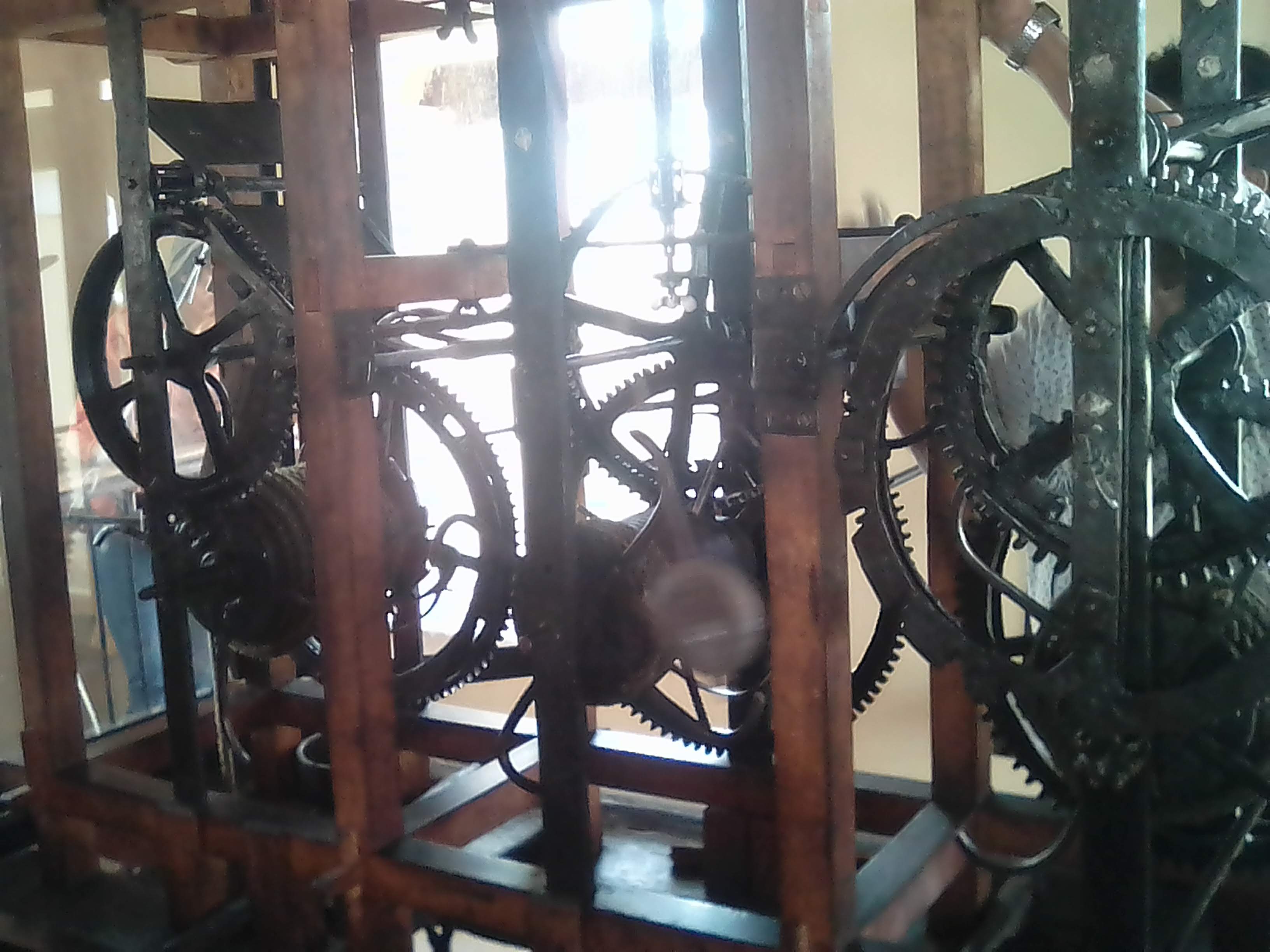
Somewhere inside the bell tower of a colonial cathedral in central Honduras, a mechanism of wrought-iron gears, ropes, and weights continues to mark the hours as it has for the better part of a millennium. The clock in the Immaculate Conception Cathedral of Comayagua was built by Moorish craftsmen in Al-Andalus around the year 1100, during the reign of the Almoravid dynasty. Before it crossed the Atlantic, it kept time at the Alhambra in Granada -- the palace of the last Muslim kingdom on the Iberian Peninsula. That a device forged in medieval Spain ended up ticking inside a Honduran cathedral tells a story about empire, faith, and the strange journeys objects take when civilizations collide.
Three Cathedrals in One
The building that stands on Comayagua's Central Square is really the third version of itself. The city's only large church in the sixteenth century was the Iglesia de la Merced, and in 1563 authorities requested permission to build something grander. That first cathedral went up but was damaged around 1610, likely by rainstorms that weakened its structure until portions began collapsing. Reconstruction started in 1611 under Spanish Bishop Alonso Vargas y Abarca and continued through the tenures of two more bishops before completion. By 1703, however, the second iteration was already deteriorating, and letters to King Felipe V described walls in poor condition. The third and final construction phase began in 1705, reshaping the facade into its current form. The cathedral was inaugurated on December 8, 1711, and blessed in 1715. Around 18 indigenous peoples participated in the labor that raised the Catholic monument, according to the Honduran Institute of Anthropology and History.
Gold Leaf and Spanish Silver
Step inside and the cathedral reveals a Latin cross plan with three naves covered by barrel vaults, the presbytery crowned by three hemispherical domes. Four gilded altarpieces survive from an original sixteen, their carved wood surfaces covered in gold leaf. On the main altar, a carving of the Immaculate Conception and a crucifix made in 1620 by the sculptor Francisco de Ocampo of Jaen were donated to the city by the Spanish crown. The pulpit matches the altarpieces in age and style -- Solomonic Baroque, all twisted columns and elaborate ornamentation. Silver lamps once hung from the ceiling; the originals now reside in the colonial museum of Comayagua, replaced by replicas overhead. An organ arrived on December 7, 1887, commissioned from the Clamer House in London by Bishop Juan Felipe Zepeda, who paid for it with an inheritance from his father. It still plays, though only for Holy Week, Christmas, and weddings.
A Clock from the Alhambra
The cathedral's most remarkable possession sits in its four-story bell tower. On the orders of King Felipe III of Spain, the Moorish clock was shipped to the Hibueras region of New Spain. Before being installed in the cathedral, it served the Iglesia de la Merced, which functioned as the city's cathedral until the Immaculate Conception was completed. The mechanism displays the time on a dial where the number four appears as IIII rather than IV -- an archaic convention. Whether it is truly the oldest working clock in the world remains debated; a rival timepiece in England also claims the title. The distinction may hinge on metallurgy: the Comayagua clock is wrought iron, while the English contender uses cast iron, and wrought-iron techniques predate casting. In 2007, Guatemalan master watchmaker Rodolfo Antonio Ceron Martinez spent five months restoring the mechanism under the supervision of the Honduran Institute of Anthropology and History.
War, Fire, and Incorruptible Bishops
The cathedral has witnessed more than prayers. On December 30, 1825, General Francisco Morazan was married here -- a man who would become the great champion of Central American union. Two years later, on April 4, 1827, Comayagua was burned and looted during the Central American civil war, and the cathedral suffered alongside the city. Graves lie beneath the floor. Among the dead interred inside are bishops Don Juan Merlo de la Fuente and Fray Gaspar de Andrade, whose bodies were found to possess a cadaverous incorruptibility. In the 1960s, they were displayed to the public in glass urns, but Monsignor Bernardino Mozzarella ordered them hidden in 1963, and they have not been exhibited since. Outside, the Renaissance and Baroque facade rises in tiers: niches hold statues of four doctors of the Church, the Virgin Mary flanked by Saint John the Baptist and Saint Joseph, and at the top, a figure of Christ blessing. The bell tower is capped with a dome of glazed colored ceramics, a crown of tile over centuries of stone.
From the Air
Located at 14.46N, 87.64W in the Comayagua Valley of central Honduras. The cathedral sits in the Central Square of Comayagua, visible from above as the dominant structure in the colonial city center. Best viewed from 2,000-3,000 feet AGL. The Comayagua Valley runs north-south between mountain ranges. Nearest major airport: Comayagua-Palmerola International Airport (MHPR/XPL), approximately 5 nm to the south. Toncontin International Airport (MHTG) in Tegucigalpa is roughly 45 nm southeast.