Independence Hall: Where America Was Born
The room is smaller than you expect. The Assembly Room of Independence Hall, where 56 men signed the Declaration of Independence and 39 signed the Constitution, measures roughly 40 by 40 feet. In this modest space, delegates declared independence from the world's greatest empire, debated the shape of government, and created frameworks that would define a nation. The building was Pennsylvania's statehouse, never designed for revolution. But the Revolution happened here anyway - words crafted and debated and finally committed to parchment that changed the world. Independence Hall is America's secular shrine, the place where founding becomes tangible.
The Building
Construction began in 1732; the building served as Pennsylvania's colonial statehouse until independence made it something larger. The Georgian architecture was deliberately modest - brick, balanced windows, a wooden steeple (rebuilt in 1828 after the original rotted). The Assembly Room, on the ground floor, hosted both the Second Continental Congress and the Constitutional Convention. The Declaration was debated, edited, and approved here in July 1776. Eleven years later, delegates returned to the same room to draft the Constitution. The building accumulated significance not from grandeur but from events - ordinary architecture made sacred by what happened inside.
The Declaration
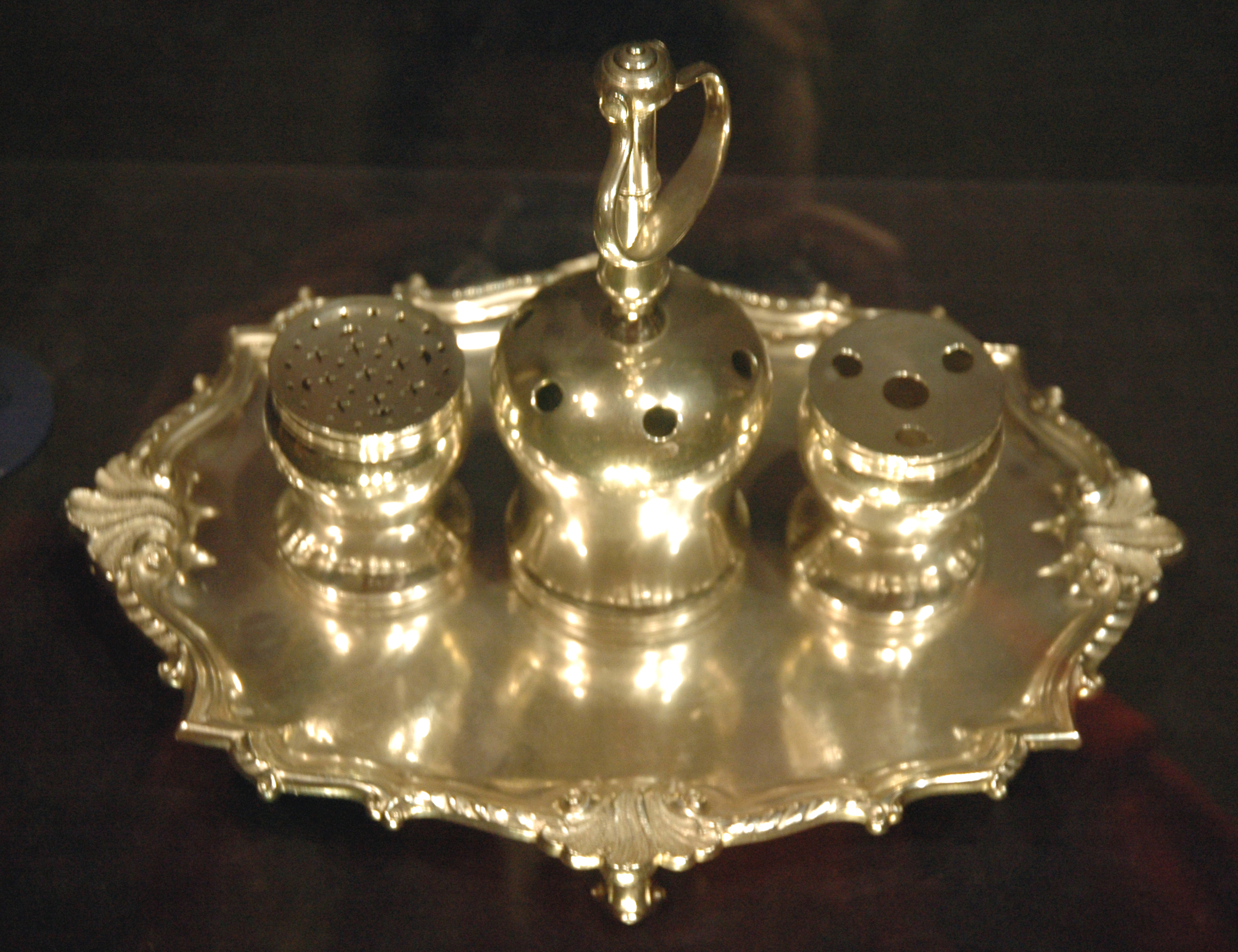
The Second Continental Congress met in the Assembly Room from 1775 to 1783. In June 1776, with war underway, Richard Henry Lee proposed independence. Thomas Jefferson drafted a declaration; Congress edited, debated, and on July 4 approved it. The signing came weeks later, as delegates gathered to commit their names to what the British would consider treason. 'We must all hang together,' Benjamin Franklin allegedly said, 'or most assuredly we shall all hang separately.' The joke captured real risk - the signers pledged their lives, fortunes, and sacred honor to a rebellion that might fail. It didn't. The Declaration's principles, articulated in this room, became American scripture.
The Constitution
Eleven years after declaring independence, delegates returned to Independence Hall to address the failing Articles of Confederation. Through the hot summer of 1787, they debated government structure behind closed doors and shuttered windows. The result was the Constitution - federal system, separation of powers, checks and balances that remain in force. The debates were contentious; the compromises were difficult. The slavery clauses that permitted the document to pass would require a civil war to undo. But the framework created in this room has structured American government for over 235 years. The Constitution's survival is Independence Hall's ongoing achievement.
The Bell
The Liberty Bell hung in Independence Hall's steeple until its famous crack rendered it unusable. The bell was cast in 1752; its inscription from Leviticus - 'Proclaim Liberty throughout all the Land' - seemed providential when independence was declared. The crack's origin is debated; by the 1840s, the bell was silenced. Abolitionists adopted it as symbol; 'Liberty Bell' became its name. The bell was displayed throughout America before returning to Philadelphia. It now rests in a pavilion across from Independence Hall, viewable at all hours, the most recognizable symbol of American freedom even though it can no longer ring.
Visiting Independence Hall
Independence Hall is located in Independence National Historical Park in downtown Philadelphia. Tours are free but tickets are required March through December; obtain them at the Independence Visitor Center or online. The tour includes the Assembly Room and other ground-floor spaces. The Liberty Bell is in a separate pavilion nearby, free and without tickets. Congress Hall and Old City Hall, flanking Independence Hall, offer additional tours. The park includes Franklin's grave, the President's House site, and other founding-era sites. Allow half a day for the core sites; serious exploration takes longer. The experience of standing where the Declaration was signed and the Constitution was drafted makes abstract founding concrete.
From the Air
Located at 39.95°N, 75.15°W in downtown Philadelphia. From altitude, Independence Hall appears as a red brick building with white steeple in a landscaped park amid surrounding urban development. Independence Mall, the parkway north of the building, is visible as green space. The Liberty Bell Pavilion is directly north. The Delaware River, which Washington crossed, flows to the east. Center City Philadelphia surrounds the park. The building's modest scale is apparent from altitude - this is no grand palace but colonial statehouse, significant for events rather than architecture. What appears as a small historic building in an urban park is the site where America's founding documents were debated and signed - revolution in a 40-foot room.