Indianola, Texas
The courthouse is three hundred feet offshore now, somewhere beneath the shallow chop of Matagorda Bay. There is no building to mark where it stood, no foundation, no ruin. Indianola, once the second-busiest port in Texas, has been swallowed so completely by the Gulf that its most important structure requires a boat to reach. In its forty-year life, this ghost town on the Texas coast served as the gateway for thousands of German immigrants, received shipments of camels for the United States Army, pioneered the world's first mechanically refrigerated beef shipment, and survived two Union occupations during the Civil War. Then, in the span of eleven years, two hurricanes reduced it to nothing.
Carl's Harbor
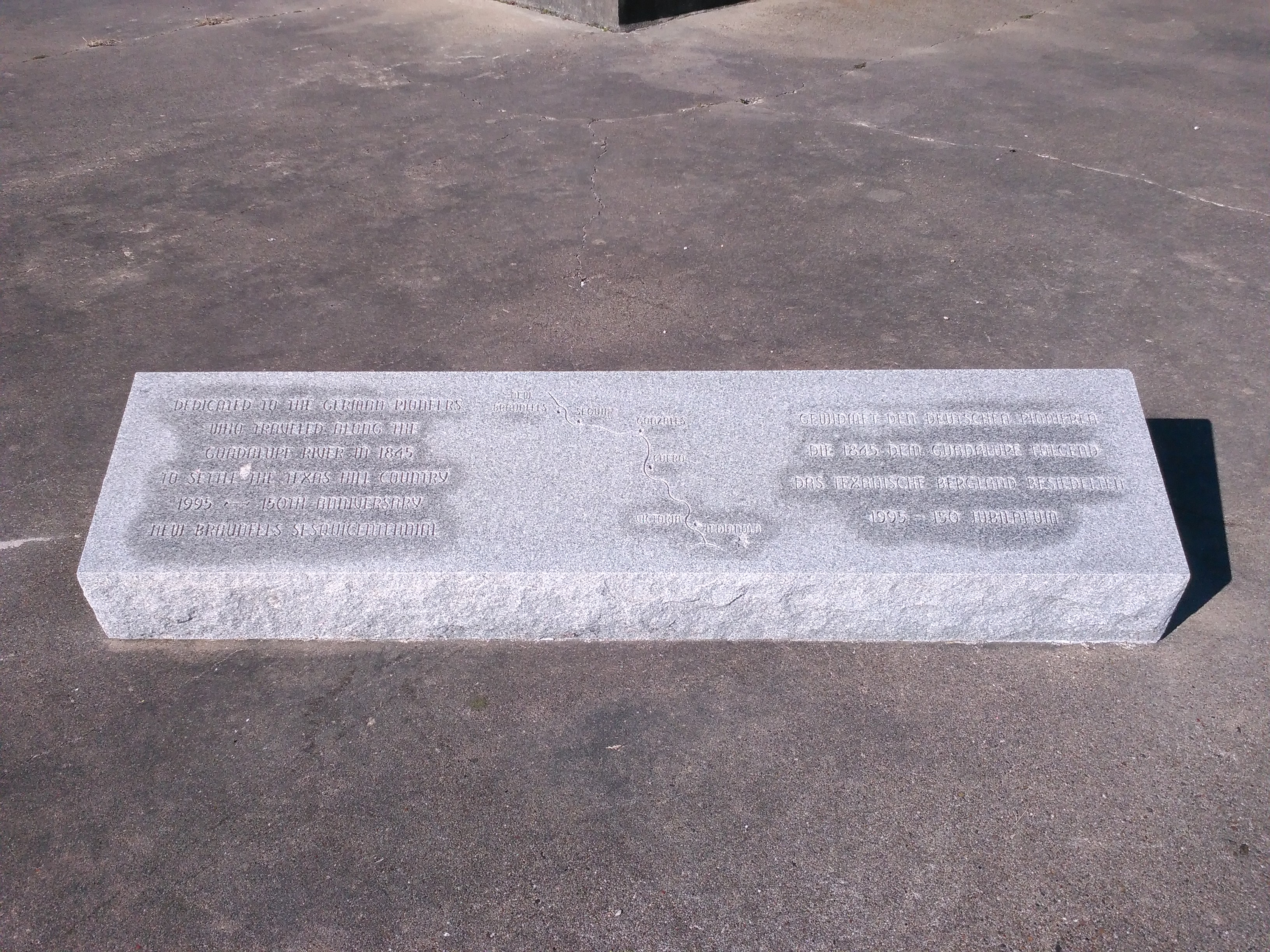
Indianola began as a German project with a German name. In December 1844, Prince Carl of Solms-Braunfels, representing the Adelsverein -- a society of German noblemen organizing emigration to Texas -- selected the windswept spit called Indian Point as the port of entry for thousands of colonists. He renamed it Carlshafen, honoring himself and two fellow counts. The prince deliberately chose this isolated location to keep his German settlers from mingling with Americans. By May 1846, over 4,300 colonists were on their way, but the Adelsverein had run out of money. Stranded immigrants piled up at the port with nowhere to go while a meningitis epidemic swept through the camp. Samuel Addition White and William M. Cook formally founded the settlement in August 1846. Three years later, the town changed its name to Indianola -- combining "Indian" with the Spanish word "ola," meaning wave. The German immigrants, loyal to their origins, kept calling it Carlshaven.
Camels on the Wharf
Indianola grew fast. Charles Morgan made it a port of call for his Gulf Coast steamship line in 1849, and by the early 1850s it was second only to Galveston as a Texas port. The town stretched along twenty-three blocks of beachfront. Its strangest moment came in 1856, when thirty-four camels walked down the gangplank onto the Indianola wharf -- part of the United States Camel Corps, an ambitious and ultimately doomed experiment to replace horses and mules as pack animals in the American Southwest. In 1869, Indianola notched another first: the world's first mechanically refrigerated shipment of beef left its docks bound for New Orleans, a technological leap that would eventually transform the cattle industry. By 1875, the population had reached 5,000, and the city hummed with the commerce of a major shipping hub.
The Day the Gulf Came Ashore
On September 15, 1875, a powerful hurricane slammed into Indianola with devastating force. The storm surge swept away entire blocks. Even the lighthouses were torn from their foundations, killing the keepers -- Thomas H. Mayne and Edward Flick Jr. of the East Shoal Lighthouse among them. The New York Times published extensive accounts of the destruction. Between 150 and 300 people died. The survivors, resilient in the way that coastal people often are, rebuilt. Homes went back up. Commerce resumed. The county seat stayed put. But nature was not finished with Indianola. On August 19, 1886, a second hurricane -- one of the most powerful to make landfall in the United States -- struck the rebuilt town, followed by a fire that consumed whatever the wind had left standing. This time, there would be no rebuilding.
A Warning Unheeded
After the 1886 storm, the county seat moved inland to Port Lavaca. On October 4, 1887, the post office was permanently closed and Indianola was officially declared dead. The Indianola Railroad, planned to connect the port to San Antonio, lost its investors overnight. Galveston became the default port of choice. The destruction of Indianola served as a stark warning to Galveston's leaders, just a hundred miles up the coast and equally exposed to Gulf storms. As Erik Larson documented in Isaac's Storm, a group of thirty prominent Galveston citizens formed the Progressive Association and resolved to build a seawall. The city's newspaper endorsed the plan. The state authorized a bond. But months passed, alarm faded, and the seawall was never built. Fourteen years later, the Galveston Hurricane of 1900 killed an estimated 8,000 people -- the deadliest natural disaster in American history.
Waves Over the Ruins
Today, Indianola is a small unincorporated fishing village. A Recorded Texas Historic Landmark marker, designated in 1963, stands near the shore. A statue of Rene-Robert Cavelier, Sieur de La Salle -- the French explorer who passed through this coast two centuries before the town existed -- watches over the bay. Storm erosion has claimed so much of the original townsite that the former courthouse location now lies well out in Matagorda Bay. Multiple songwriters have been drawn to the ghost town's story: Charlie Robison, Brian Burns, and Scott Stutzman have all written songs titled after the place, each approaching its brief, dramatic life from a different angle. From the air, the coastline reveals little of what once stood here -- just flat marshland meeting shallow water, the Gulf quietly holding its secrets.
From the Air
Located at 28.51N, 96.49W on Matagorda Bay in Calhoun County, Texas. The site is on the exposed Gulf coastline -- look for the long, narrow peninsula and the shallow bay waters. The nearest airport is Calhoun County Airport (KPKV) at Port Lavaca, approximately 12 nm to the northwest. Victoria Regional Airport (KVCT) is about 30 nm to the north. Recommend viewing at 2,000-4,000 ft AGL. From altitude, the ghost town site blends into the marshland -- the bay itself and the straight shoreline are the primary visual landmarks.