The Name That Kept Coming Home
Francis Ford Coppola once said he paid more for a word than he did for an entire estate. The word was Inglenook -- the name a Finnish sea captain had given to his Napa Valley winery in 1879, and the name that had been stripped away, sold off, and plastered onto bottles of cheap jug wine produced hundreds of miles from the original property. When Coppola finally reacquired the Inglenook trademark in April 2011, he was buying back something that could not be bottled: a reputation that had taken more than a century to build and less than two decades to nearly destroy.
The Captain's Vineyard
Gustave Niebaum was not the obvious candidate to build one of California's great wineries. A Finnish sea captain who had made his fortune in the Alaska fur trade, Niebaum purchased land in Rutherford in 1879 and set about creating a winery modeled on the chateaux of Bordeaux. He hired Hamden McIntyre -- not a trained architect but a talented designer of gravity-flow wineries -- to build a stone facility where grapes moved downward through the production process by their own weight, minimizing handling and preserving quality. McIntyre went on to design similar structures for Far Niente and other Napa wineries of the era, but Inglenook remained his most ambitious project. Under Niebaum's exacting standards, the estate produced wines that won awards in Paris and established Napa Valley's international reputation decades before most Americans could find it on a map.
Prohibition, Revival, and a Hollywood Neighbor
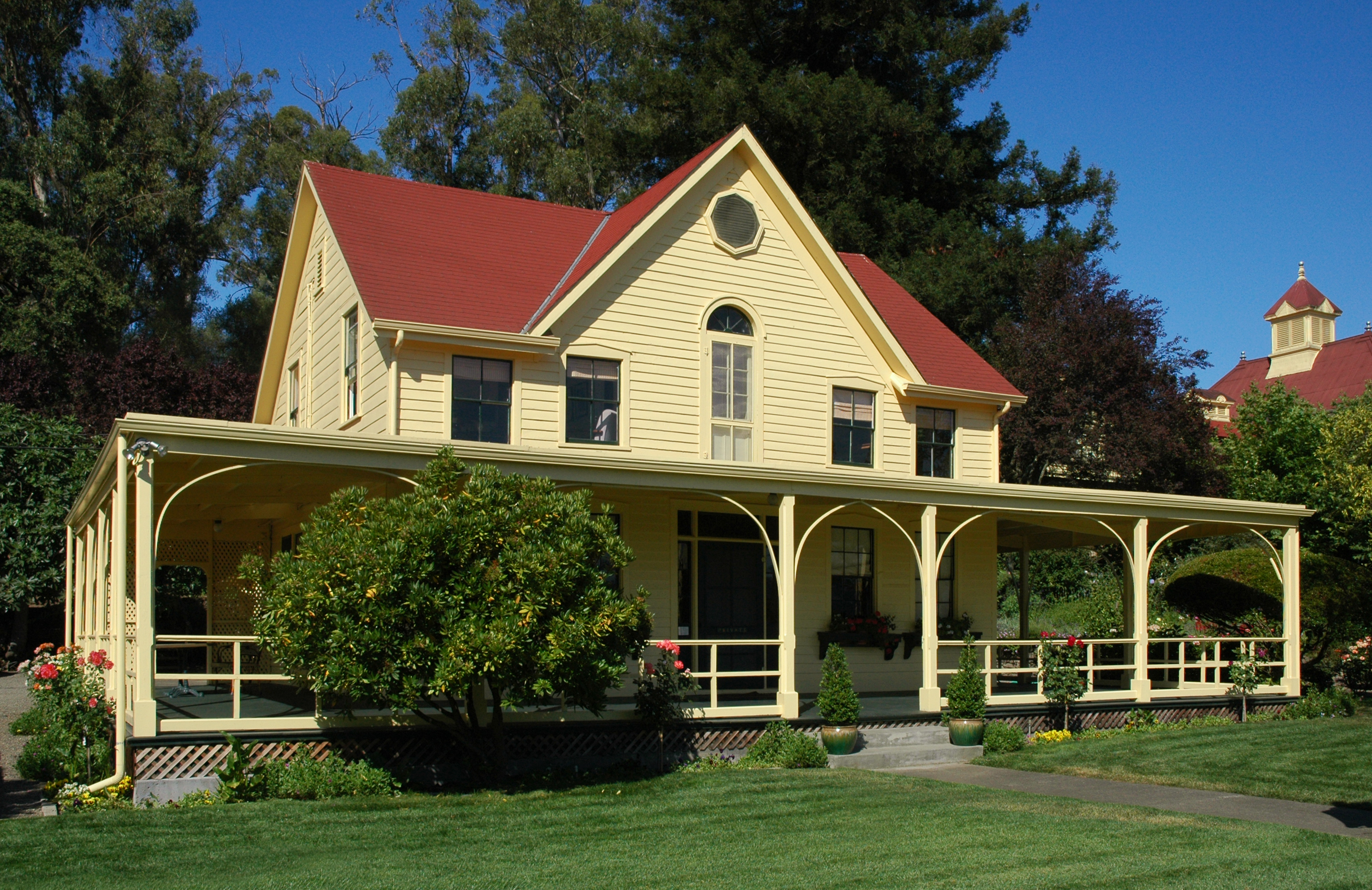
Niebaum died in 1908, and when Prohibition arrived the winery fell silent. After repeal, his widow Suzanne reopened the estate and hired a viticulturist and an enologist to modernize the operation. Their great-nephew John Daniel Jr. took over in 1939 and guided Inglenook through what many consider its golden age -- vintages from the 1940s and 1950s that collectors still pursue. Daniel's neighbor, MGM film producer Joseph Judson Cohn, bought the adjacent 195-acre property in 1943. Persuaded by Daniel to plant grapevines, Cohn put 80 acres under Cabernet Sauvignon, and for years the fruit from the J. J. Cohn Estate fed Inglenook's best wines. The relationship between the filmmaker and the winemaker was an early preview of the Napa Valley's eventual entanglement with Hollywood -- a pattern that would define the property's future.
A Name for Sale
The unraveling began when Heublein, Inc. purchased the brand name and remaining 94 acres, including the historic winery. Under corporate ownership, Inglenook became a label applied to wines produced elsewhere -- bulk vintages that traded on the prestige Niebaum and Daniel had built while delivering none of the quality. Dennis Fife led a brief revival of critically acclaimed winemaking, but the corporate carousel continued: Heublein was acquired by RJR Nabisco, then sold to Grand Metropolitan in 1987. Heublein sold the winery to the Canandaigua Wine Company in 1994, which consolidated operations and sold the remaining acreage and buildings to Francis Ford Coppola in 1995. Coppola had the property but not the name. He called it Niebaum-Coppola Estate Winery, later renaming it Rubicon Estate. Meanwhile, the Inglenook label continued its drift through corporate hands, eventually landing with The Wine Group in a 2008 deal worth $134 million that also included Almaden Vineyards and the Paul Masson Winery.
Reclaiming the Hearth
The word inglenook means a cozy nook beside a fireplace -- a place of warmth and belonging. For Coppola, restoring it to the Rutherford estate was an act of cultural repair as much as business strategy. On April 11, 2011, he announced that he had acquired the Inglenook trademark and that the estate would once again carry its original name. The price, he said publicly, exceeded what he had paid for the entire physical property. It was a remarkable statement about the value of provenance in a world of wine where terroir and history are inseparable from taste. Today the winery operates under the name Gustave Niebaum chose 145 years ago, producing estate-bottled wines from the same Rutherford benchland where a Finnish sea captain decided the soil was worth crossing an ocean for.
From the Air
Located at 38.45N, 122.43W in Rutherford, at the heart of the Napa Valley. The historic stone winery and surrounding vineyards are visible along Highway 29. Nearest airports: Napa County Airport (KAPC) approximately 12 nm south, and Angwin-Parrett Field (2O3) to the northeast. The Napa Valley runs northwest-southeast between the Vaca Mountains and the Mayacamas Range, creating a distinctive corridor visible from altitude. Morning fog common in summer, typically clearing by late morning.