Inhambane
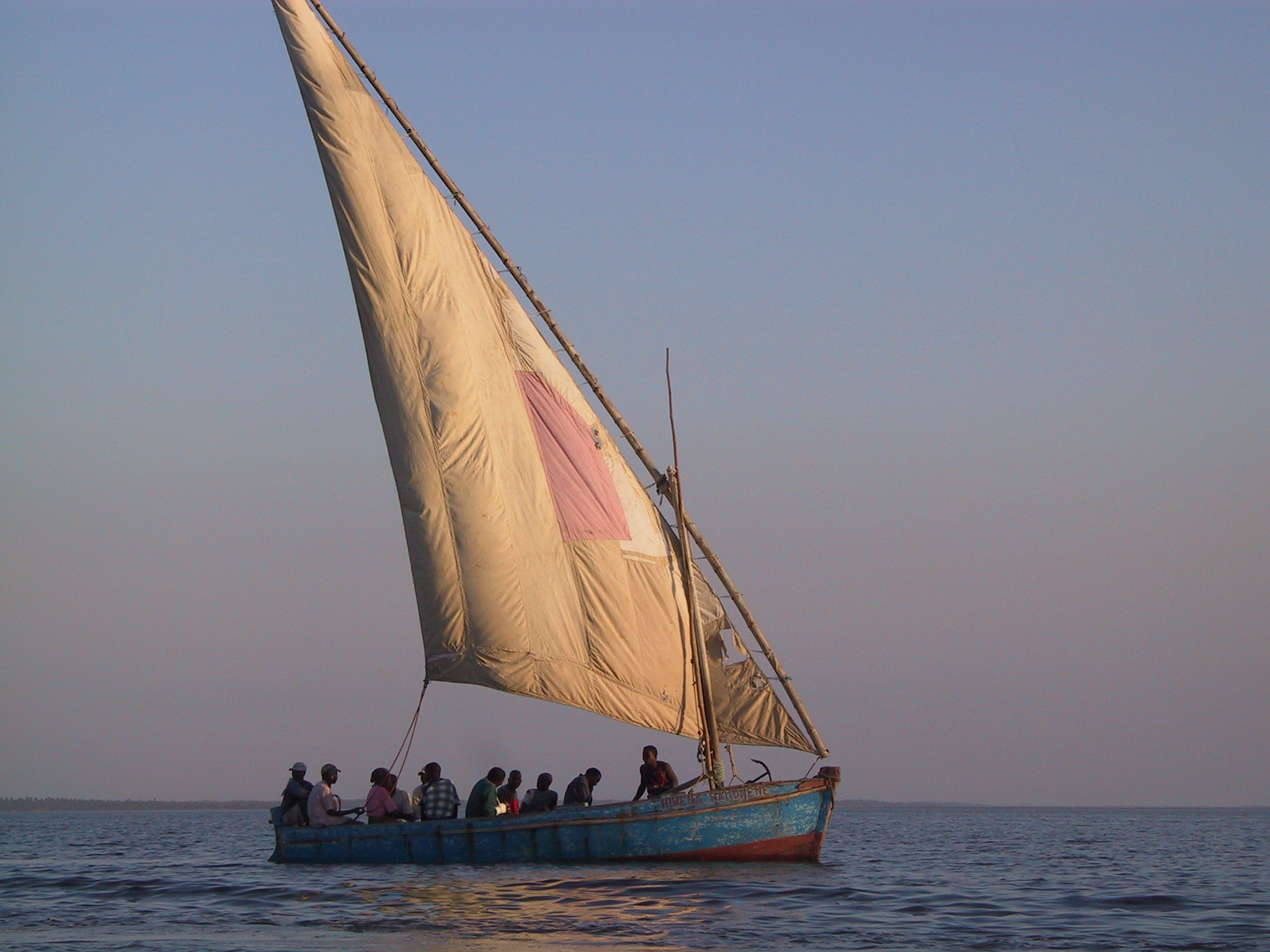
Vasco da Gama pulled into this bay in the late fifteenth century, liked what he found, and named it Terra de Boa Gente -- Land of the Good People. More than five centuries later, the name still fits. Inhambane sits on a peninsula overlooking a wide bay on Mozambique's Indian Ocean coast, 485 kilometres north of Maputo, a town of about 80,000 people where the pace of life suggests no one has anywhere urgent to be. Dhows have traded here since at least the eleventh century. Muslim and Persian merchants came first, seeking pearls and ambergris. The Portuguese established a permanent trading post in 1534 and chose Inhambane for the first Jesuit mission to Southeast Africa in 1560. What survives of all this layered history is a town with understated colonial architecture, a lively central market, and the kind of atmosphere that makes travellers extend their stays.
Centuries at the Crossroads
Long before the Portuguese arrived, Inhambane was a node in the Indian Ocean trading network that connected the East African coast to Arabia, Persia, and India. Arab and Swahili traders established commerce here centuries before European contact. The Portuguese formalized the arrangement, building a trading post that grew into a port for ivory, cloth, and -- as the eighteenth century progressed -- the slave trade that scarred the entire coast. Indian merchants controlled much of the commerce through this period. In 1834, the Nguni warlord Soshangane destroyed the settlement during the upheavals of the Mfecane, but the town rebuilt and grew rapidly in the second half of the century. By the time of Mozambican independence in 1975, Inhambane had accumulated layers of Portuguese, Indian, Arab, and African influence that still show in its architecture, its food, and the faces of its residents.
The Bay and the Ferry
Inhambane's geography defines its character. The town occupies a peninsula, and to travel north or south along the coast you must cross to Maxixe on the opposite side of the inlet. The ferry makes the trip in about ten minutes for 25 meticals -- a fraction of the cost of the dhows whose sailors call from the dock, offering slower and less reliable crossings in sail-powered boats that sometimes, travellers report, do not make it to the other side. The bay itself is the town's living room. Fishing boats work the waters in the morning, and in the afternoon light the water turns silver. Canoeing and dhow trips are popular, not as extreme sport but as the gentle, contemplative activity that suits a town where the most urgent decision is where to eat lunch.
The Market and the Kitchen
The central market is Inhambane's commercial heart, a sprawling affair that sells everything from fresh fish to a wider range of flip-flops than the shoe shops in town. Seafood dominates the local cuisine, bought fresh from fishermen on the beaches or at market stalls. The Restaurant Macaroca, in the centre of town, serves seafood and chicken dishes that draw both locals and travellers. Down by the bay, Pensao Pachica offers crab curry from a bayside restaurant where Saturday is pizza day. The Bazaruto National Sea Park lies within reach for day trips, and the Mocucune Peninsula offers a more local experience -- visitors are encouraged to chase a chicken for the grill and drink a local beer. Thirty kilometres due east, along a reasonably good road, lie the coastal resorts around Tofo Beach, which has become the region's diving capital.
A Town That Asks You to Slow Down
Inhambane does not try to impress. Its colonial buildings are handsome but not grand. Its bay is beautiful but not dramatic. Its food is excellent but not complicated. What the town offers is something harder to find: a pace of life that lets you notice things. The light on the water in the late afternoon. The sound of the ferry horn. The particular quiet of a peninsula town where the ocean is always close but never loud. Getting here requires commitment -- the bus from Maputo takes about nine hours, and drivers on the EN1 highway should be prepared for potholes between Xai-Xai and Chidenguele. But that difficulty is part of the point. Inhambane rewards the travellers who make the effort, not with spectacle, but with the kind of unhurried welcome that Vasco da Gama noticed five centuries ago.
From the Air
Located at 23.87S, 35.38E on a peninsula in southern Mozambique's Inhambane Bay. From altitude, the town is visible on the western side of a peninsula jutting into the bay, with Maxixe visible across the inlet to the northwest. The ferry route between the two towns is a short crossing. Tofo Beach lies 30 km due east along the coast. Nearest airport is Inhambane Airport (FQIN), a few kilometres from town with direct flights from Johannesburg. Maputo International Airport (FQMA) is 485 km to the southwest. The coastline curves gently along the Indian Ocean, with the Bazaruto Archipelago visible further north.