The Iroquois Theatre Fire: 602 Dead in 15 Minutes
On the afternoon of December 30, 1903, the Iroquois Theatre in Chicago was packed with 1,900 people - mostly women and children attending a holiday matinee of the musical 'Mr. Bluebeard.' The theatre had opened just five weeks earlier and was advertised as 'absolutely fireproof.' At 3:15 PM, a spark from a spotlight ignited a muslin curtain backstage. Within 15 minutes, 602 people were dead. It remains the deadliest single-building fire in American history, and it happened because of locked doors, missing fire escapes, and an asbestos curtain that jammed halfway down.
The Palace
The Iroquois Theatre was the pride of Chicago's theatre district. Opened on November 23, 1903, it featured marble walls, ornate plasterwork, and mahogany woodwork. The owners boasted it was 'absolutely fireproof' - after all, the Great Chicago Fire was still in living memory. The building code required fireproof materials, and the Iroquois exceeded them.
But 'fireproof' referred to the building's structure, not its contents. The theatre was filled with flammable materials: velvet curtains, painted canvas scenery, wooden seats. And in the rush to open, safety features had been neglected. Exit doors were locked or bolted. Fire escapes were incomplete. The asbestos safety curtain had never been tested.
The Spark
The fire began during the second act of 'Mr. Bluebeard.' An arc light backstage sparked and ignited a muslin curtain. Stagehands tried to beat out the flames but failed. The fire climbed the curtains and reached the scenery flats - dozens of painted canvas backdrops stacked above the stage.
Performer Eddie Foy, onstage when the fire started, tried to calm the audience. 'Don't get excited,' he called out. 'It's nothing.' Stagehands tried to lower the asbestos curtain - the fire barrier that was supposed to separate the stage from the audience. It jammed partway down. A stagehand opened a rear door for ventilation. The rush of air created a backdraft that blew flames into the auditorium.
The Doors
The audience rushed for the exits. They found doors bolted shut - the theatre locked them during performances to prevent people from sneaking in. They found doors that opened inward, impossible to push open against the crush of panicking bodies. They found exits blocked by heavy drapes hung to block drafts.
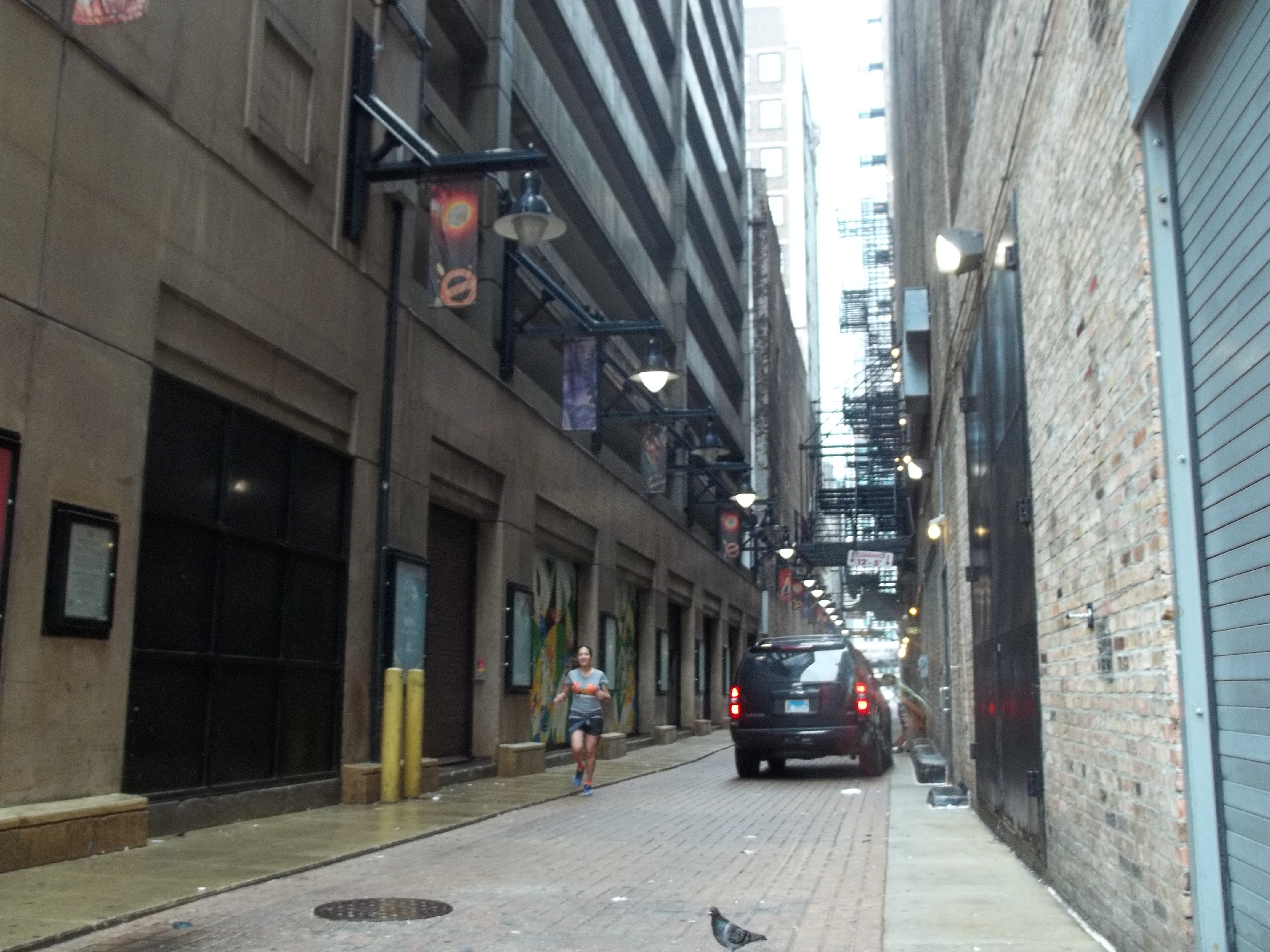
Some found exits that led to fire escapes that didn't exist - the ironwork hadn't been completed. People tumbled through doors into empty air, falling 60 feet to the alley below. The alley behind the theatre became known as 'Death Alley.' Bodies stacked up so deep that people climbing over them to reach exits were pushed back down.
The Count
The fire burned for only 15 minutes. When it was over, 602 people were dead - mostly women, mostly children. Some had burned. Some had been trampled. Some had suffocated in the crush at locked doors. Some had jumped from balconies. Some had fallen down fire escapes that led nowhere.
The theatre's interior was barely damaged - the 'fireproof' construction had worked. But the people inside had not been fireproof. Many victims were found sitting in their seats, asphyxiated by toxic smoke before they could move. Others were piled against locked doors, crushed by the crowd behind them.
The Reforms
The Iroquois Theatre fire transformed American building codes. Chicago passed sweeping new ordinances: exit doors must open outward, must be unlocked during events, must be clearly marked with illuminated signs. Fire curtains must be tested regularly. Occupancy limits must be enforced.
These reforms spread nationwide. The push-bar exit door - now ubiquitous - was invented in response to the Iroquois fire. Building codes across America were rewritten. The fire that killed 602 people in 15 minutes saved countless lives in the century that followed. The Iroquois Theatre itself was rebuilt and renamed, operating until 1926. Today, the Oriental Theatre stands on the site. A small plaque commemorates the dead.
From the Air
The Iroquois Theatre site (41.88N, 87.63W) is at 24 W. Randolph Street in Chicago's Loop district. The Oriental Theatre now stands on the location. Chicago O'Hare International (KORD) is 25km northwest; Chicago Midway (KMDW) is 15km southwest. The Loop is dense urban terrain with high-rise buildings. Death Alley (now Couch Place) runs behind the theatre. A small memorial plaque marks the site.