Issaquah
Every October, thousands of people line the streets of Issaquah to watch salmon. The fish that once sustained the Salish Sea tribes return to Issaquah Creek, struggling upstream through the heart of downtown to spawn in the same waters their ancestors used for millennia. Salmon Days has become one of Washington's largest festivals, but it captures something essential about this town of 40,000 at the base of the Cascade foothills. Issaquah sits where suburbia ends and wilderness begins. You can commute to Amazon or Microsoft in the morning and hike 2,000 vertical feet before dinner. That combination has made it one of the most desirable addresses in the Seattle metro - and one of the last places that still feels like it belongs to the mountains.
The Issaquah Alps
They're not really Alps, of course - Tiger Mountain tops out at 3,008 feet. But the three mountains looming over Issaquah - Tiger, Squak, and Cougar - form the closest serious hiking to Seattle, and locals treat them with the reverence the name implies. Tiger Mountain's trail network offers everything from gentle forest walks to quad-burning ascents; Poo Poo Point draws paragliders who launch from the summit on favorable days. Squak Mountain State Park preserves old-growth pockets that escaped the logging that stripped most of the lowland Cascades. Cougar Mountain Regional Wildland Park, the westernmost of the three, includes the old coal mining town site that once stood where suburban Bellevue now sprawls. These mountains stay below the snow line most winters, making them year-round hiking destinations when the high Cascades are buried.
Olde Town Soul
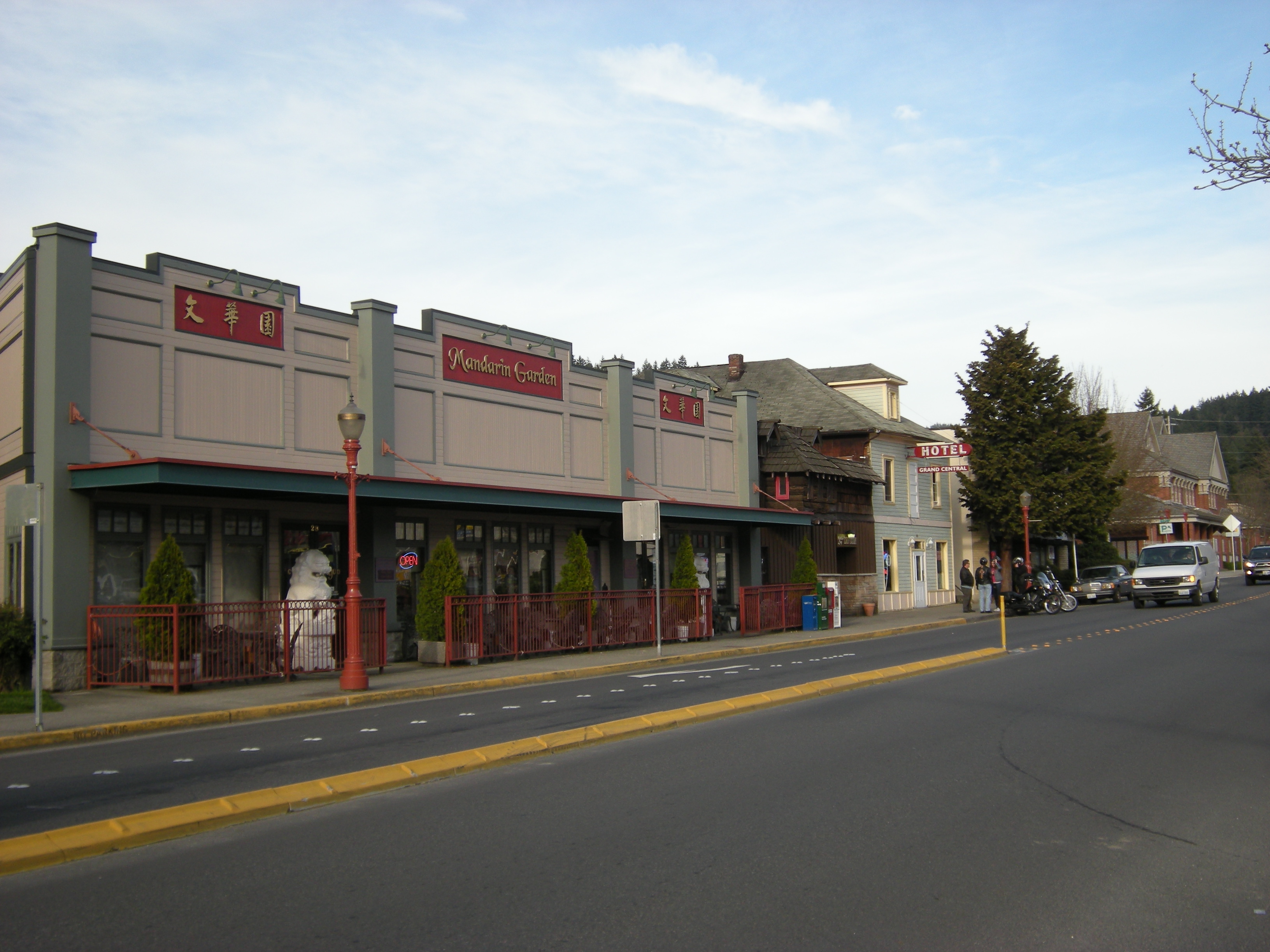
Front Street runs through the heart of Olde Town Issaquah, a main street that somehow survived the suburban strip malls that surround it. Art galleries, breweries, cafes, and taverns occupy buildings dating to the 1930s and earlier, when Issaquah was a farming and coal-mining community rather than a bedroom suburb. The Issaquah Salmon Hatchery sits at the creek's edge, raising fish that return each fall to close the cycle. Theater groups perform in historic venues. A small zoo features cougars and other wildlife. It's a deliberate preservation of small-town character in a region where such character disappeared elsewhere under waves of development - and it works, giving Issaquah an identity beyond 'place where tech workers live.'
Where Mountains Meet Sound
Lake Sammamish defines Issaquah's western edge, a 5-mile-long lake that once seemed far from Seattle and now sits in the metropolitan center. State park beaches draw summer crowds; the East Lake Sammamish Trail runs along the eastern shore, connecting to Redmond and the wider regional trail network. This is outdoor recreation within reach of millions - kayaking, paddleboarding, swimming, cycling, all accessible by bus from downtown Seattle. The Mountains to Sound Greenway extends from the lake through Issaquah and up into the Cascades, a vision of protected corridors linking urban and wild that Issaquah embodies perhaps better than anywhere.
Tech Town Transformation
Issaquah has changed faster than almost anywhere in Washington, its population doubling and redoubling as Microsoft, Amazon, and the broader tech economy flooded the region with high-wage workers seeking affordable housing and good schools. The affordability is relative now - Issaquah is expensive by any national standard. But the appeal endures: trails into wilderness within minutes of home, a downtown that retains walkable character, schools that perform well, and that annual reminder each October that salmon still run through the streets. The tech wealth funds trails and parks; the trails and parks attract more tech wealth. It's a virtuous cycle, as long as you can afford to buy in.
From the Air
Located at 47.54°N, 122.04°W in King County, Washington. Issaquah sits where I-90 meets the Cascade foothills, approximately 17 miles east of Seattle. Lake Sammamish is visible to the west; Tiger, Squak, and Cougar mountains rise to the east and south. The town marks the eastern edge of the Seattle metropolitan sprawl. Boeing Field (KBFI) is 15nm west; Seattle-Tacoma International (KSEA) is 20nm southwest. Snoqualmie Pass (3,022 ft) lies 30 miles east on I-90. Expect orographic effects from the nearby terrain; afternoon thermals rise from the sunlit slopes.