Italian Chapel
The baptismal font is made from a car exhaust pipe. The light holders were cut from corned beef tins. The altar rail is scrap iron, bent and welded by men who were supposed to be building causeways, not churches. On the small island of Lamb Holm in Orkney, two corrugated Nissen huts were transformed into something that stops visitors mid-sentence - a tiny Catholic chapel of such beauty and devotion that it draws over 100,000 people a year to one of the most remote corners of Britain.
Prisoners on the Barrier
In 1942, around 550 Italian prisoners of war arrived in Orkney. They had been captured during the North Africa campaign and shipped to this windswept archipelago to build the Churchill Barriers - four concrete causeways designed to seal the eastern approaches to Scapa Flow after the devastating sinking of HMS Royal Oak by a German U-boat in 1939. The work was brutal. The men hauled concrete blocks and laid foundations in horizontal rain and winter gales, building walls across the tidal channels between Mainland Orkney and its southern islands. Camp 60, their home on Lamb Holm, was a collection of Nissen huts on a flat, treeless islet barely above sea level. The Geneva Convention prohibited using POWs for war-related work, a tension the British government managed by classifying the barriers as road improvements rather than military defences.
Art from Nothing
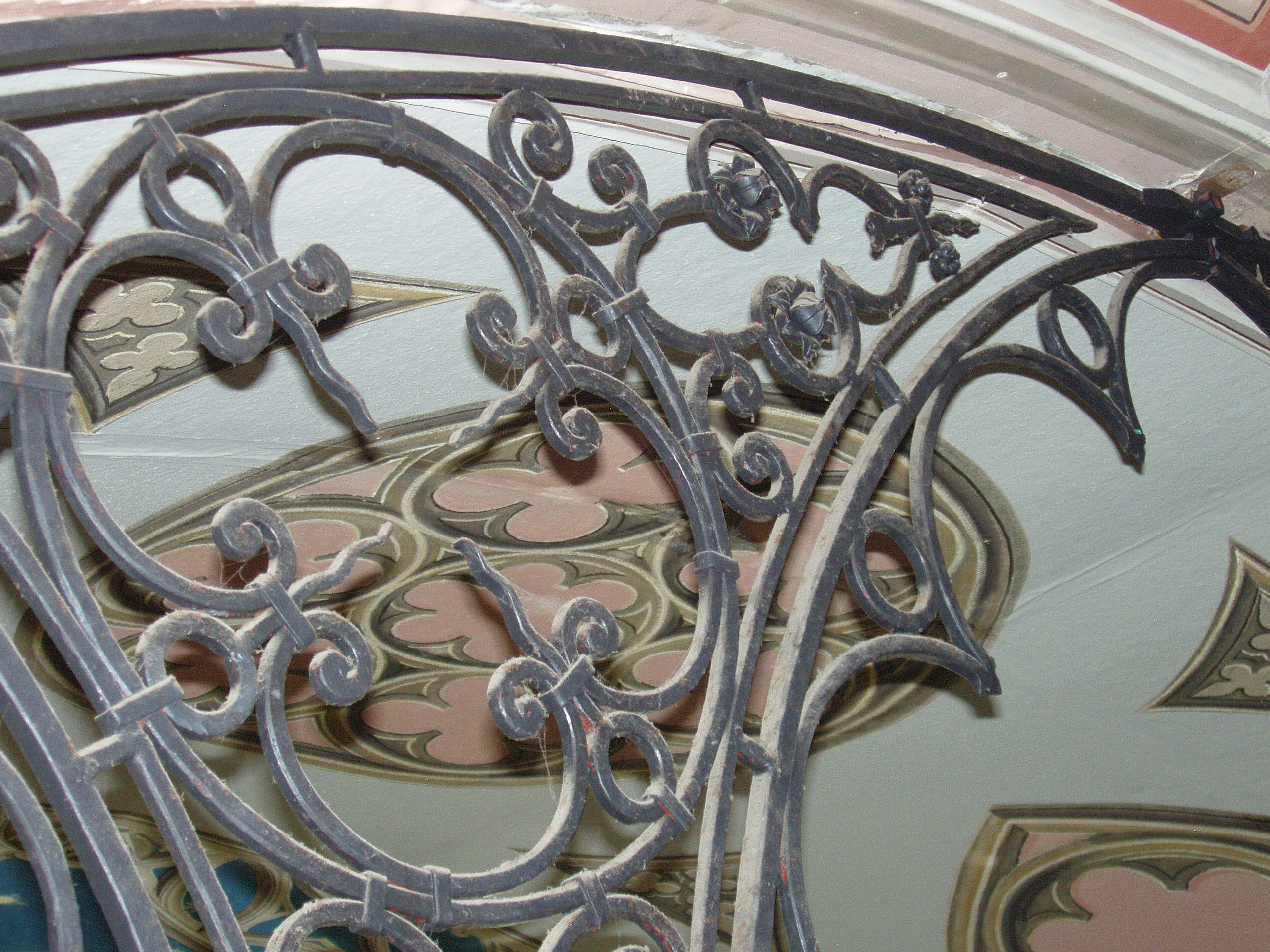
The chapel was the idea of the camp's Catholic priest, and it was brought to life by Domenico Chiocchetti, an artist from Moena in the Italian Dolomites. Chiocchetti and his fellow prisoners were given two Nissen huts placed end to end and told they could do what they wished with the interior. What they wished was extraordinary. Using concrete, scrap metal, and whatever materials they could scrounge, barter, or improvise, the prisoners created a facade with a pointed arch and a small bell tower. Inside, Chiocchetti painted a sanctuary that evoked the churches of their homeland. The ceiling was decorated in intricate patterns. Behind the altar, he painted a Madonna and Child modelled on a small holy card his mother had given him before the war. The work took the better part of two years, and it sustained the prisoners in ways that transcended the physical.
The Artist Who Stayed Behind
When the war ended in 1945, the prisoners were repatriated to Italy. Most left Orkney without looking back, eager to forget the cold and the labour and the years of captivity. Chiocchetti asked to stay. He had not finished the chapel's interior, and he refused to leave the work incomplete. The British authorities granted his request, and he remained on Lamb Holm after his fellow prisoners had gone, painting alone in the chapel they had built together. When he finally returned to Italy, he left behind a work of art that had no right to exist in such a place - delicate, beautiful, and made almost entirely from materials that would otherwise have been thrown away.
Preservation Against the Elements
Orkney's weather is not kind to buildings, let alone to painted plaster inside corrugated iron huts on an exposed islet. By the 1960s, the chapel was deteriorating. A local preservation committee formed, and in 1960 they invited Chiocchetti back to Orkney to restore his work. He returned and repainted the interior, touching up the Madonna, refreshing the decorative panels, and repairing damage from two decades of salt air and damp. He also gifted a carved Stations of the Cross for the chapel. The building is now a Category A listed structure, the highest level of architectural protection in Scotland. A concrete statue of St George slaying the dragon, made by another prisoner named Pennisi, stands outside.
Something Larger Than Its Walls
What draws visitors to the Italian Chapel is not its size - it is tiny, barely large enough for a few dozen people. It is the improbability of the thing. Prisoners of war, confined to a bleak island in a hostile sea, surrounded by barbed wire and concrete and the machinery of a war they had lost, chose to make something beautiful. The corned beef tin candle holders are still there. The ironwork altar rail, shaped by hands that spent their days pouring concrete for military barriers, still stands. More than 100,000 visitors come each year, making it one of the most visited sites in Orkney. Chiocchetti maintained a correspondence with the people of Orkney for the rest of his life. When he died in 1999, the islanders sent a wreath. The chapel he built from scraps and faith outlasted everything else about Camp 60.
From the Air
Located on Lamb Holm, a small island connected to Mainland Orkney by Churchill Barrier No. 1, at approximately 58.890°N, 2.890°W. From the air, the Churchill Barriers are clearly visible as thin causeways connecting the southern islands. The chapel is a small structure on the eastern side of Lamb Holm, identifiable by its distinctive white facade. Best viewed at 1,000-1,500 feet. Nearest airport is Kirkwall Airport (EGPA), approximately 10 miles to the north.