Izmir
Izmir is Turkey's third-largest city and its most secular, the Aegean port of 4.4 million that Greeks knew as Smyrna and that the Turkish Republic rebuilt after the 1922 fire that destroyed the Greek and Armenian quarters. The city whose liberalism stands apart from Turkey's conservative interior, whose Kordon waterfront provides Mediterranean lifestyle, whose ancient Agora survives beneath modern streets - Izmir is what Turkey looks like when it faces west toward the Aegean.
The Waterfront
The Kordon is Izmir's waterfront promenade, the palm-lined walkway where the city gathers and where the Aegean's ferries come and go. The waterfront that defines Izmir's character - the openness, the Mediterranean rhythm, the lifestyle that looking at water enables. The Kordon is where Izmir displays itself at its best.
The waterfront is why Izmir feels different from Ankara or even Istanbul - the orientation toward sea, the space that water provides, the breeze that summer needs. The waterfront is Izmir's claim to Mediterranean identity.
The Liberal Culture
Izmir's liberalism is famous within Turkey, the city where bars stay open, where religious conservatism finds less purchase, where Ataturk's secular vision persists. The culture that history created - the cosmopolitan port, the trading mentality, the exposure to European ideas - shapes how Izmir thinks about itself.
The liberal culture makes Izmir destination for Turks who feel constrained elsewhere, the internal migration that liberalism attracts. The culture is what makes Izmir interesting beyond beaches and ruins.
The Ancient City
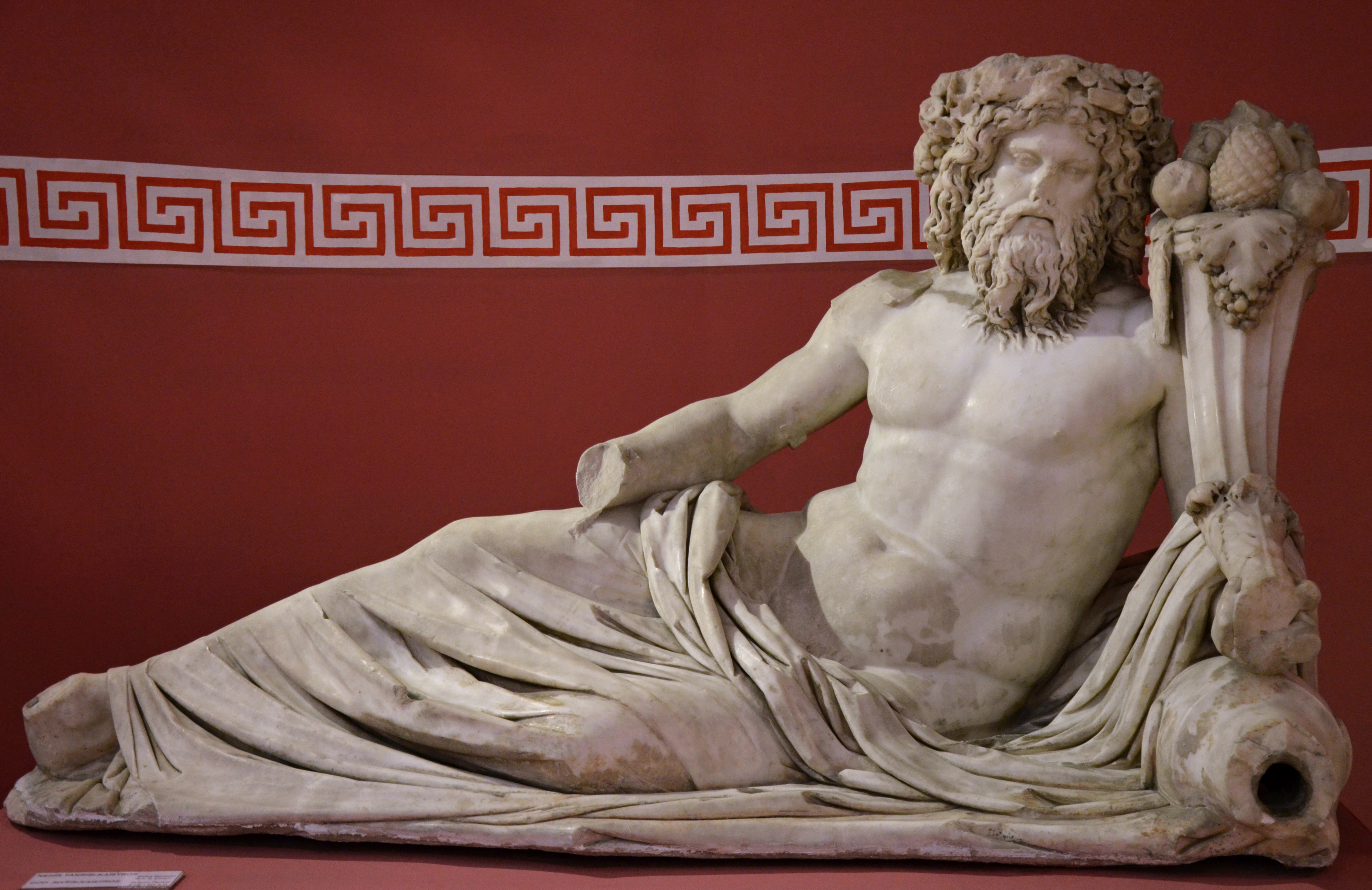
Ancient Smyrna lies beneath modern Izmir, the Agora that excavation has revealed, the history that extends three thousand years. The city that Homer may have been born in, that Alexander rebuilt, that Rome favored - the ancient city provides the depth that port development obscured.
The Agora that visitors can explore, the museum that documents what was found, the sense that current buildings rest on earlier ones - the ancient city is what archaeology reveals when modernity permits.
The 1922 Fire
The 1922 fire destroyed Greek and Armenian Smyrna during the Turkish War of Independence, the conflagration that killed thousands and drove hundreds of thousands into exile. The fire that ended the city's multicultural past, that created the Turkish Izmir that exists - the fire is what history requires acknowledging.
The fire's legacy is visible in what isn't there - the Greek and Armenian quarters that burned, the communities that fled, the multicultural Smyrna that became Turkish Izmir. The fire is history that tourism doesn't emphasize but that understanding requires.
The Gateway
Izmir serves as gateway to Ephesus and the Aegean coast, the excursions that cruise ships and tours provide. Ephesus whose ruins are Turkey's most visited, Pergamon whose Acropolis rivals Greek sites, Pamukkale whose thermal terraces draw thousands - Izmir is where journeys to these places begin.
The gateway role shapes Izmir's economy and infrastructure, the airport and ports and hotels that serve travelers passing through. Izmir is destination for some; for many it is where Turkey's ancient coast begins.
From the Air
Izmir (38.42N, 27.13E) lies on the Aegean coast in western Turkey at the head of a long gulf. Adnan Menderes Airport (LTBJ/ADB) is located 18km south with one runway 16/34 (3,000m). The city spreads around the gulf with the Kordon waterfront prominent. The ancient agora is in the city center. Ephesus is 80km south. Greek islands are visible from the coast. Weather is Mediterranean - hot dry summers, mild wet winters. Summer temperatures can exceed 40C. Sea breezes moderate coastal temperatures. Meltemi winds affect the Aegean in summer.