Jackson: The Mississippi Capital Where Civil Rights Were Won and Lost
Jackson is Mississippi's capital and Mississippi's challenge - a city of 150,000 that's lost population for decades, where white flight to the suburbs created a predominantly Black city with a shrinking tax base, where the water system failed in 2022 because the infrastructure wasn't maintained. The civil rights history is central: Medgar Evers was assassinated in his driveway in 1963; the Freedom Riders were arrested here; the movement faced some of its most violent opposition in Mississippi. Jackson carries that history while struggling with contemporary crisis. The state capital is poorer than it should be, more troubled than it should be, a reminder that civil rights victories didn't solve economic inequality.
The Evers
Medgar Evers was the NAACP field secretary for Mississippi, organizing voter registration and investigating racial violence in the most dangerous state for civil rights workers. On June 12, 1963, hours after President Kennedy's civil rights address, Evers was shot in the back in his driveway, dying in front of his children. His killer, Byron De La Beckwith, wasn't convicted until 1994, after two hung juries and 30 years of freedom. Evers's home is now a museum; the street is named for him; his legacy is taught. The murder showed what civil rights workers faced in Mississippi; the delayed justice showed how slowly change came.
The Flight
White flight hollowed Jackson after the 1960s - the pattern familiar from other Southern cities but more extreme in Mississippi. The city's white population moved to suburbs like Madison and Ridgeland; the city became 82% Black; the tax base shrank. The state legislature, dominated by suburban and rural representatives, underinvested in Jackson's infrastructure. The result is a capital city with declining services, a school district under state control, a water crisis that left residents without safe water for weeks. Jackson's problems are Mississippi's problems, concentrated where they're most visible.
The Water
In August 2022, Jackson's water system failed - the treatment plant couldn't function after flooding, leaving 150,000 residents without safe running water. The crisis lasted weeks; the National Guard distributed bottled water; the news coverage showed a capital city unable to provide basic services. The water system had been failing for years, the infrastructure crumbling, the funding inadequate. The crisis was predictable and predicted; the response was slow. Jackson's water became a national story about what happens when cities are allowed to fail, when racial and economic inequality produces infrastructure collapse.
The Museums
Jackson has invested in museums that tell stories the state long suppressed. The Mississippi Civil Rights Museum, opened in 2018, documents the movement comprehensively - the sit-ins, the murders, the long struggle for voting rights. The Museum of Mississippi History, next door, covers state history from indigenous peoples through the present. The two museums together attempt honest reckoning with Mississippi's past, the civil rights museum particularly significant in a state that resisted integration longer than most. The museums are Jackson's cultural achievement, the effort to make the history visible.
Visiting Jackson
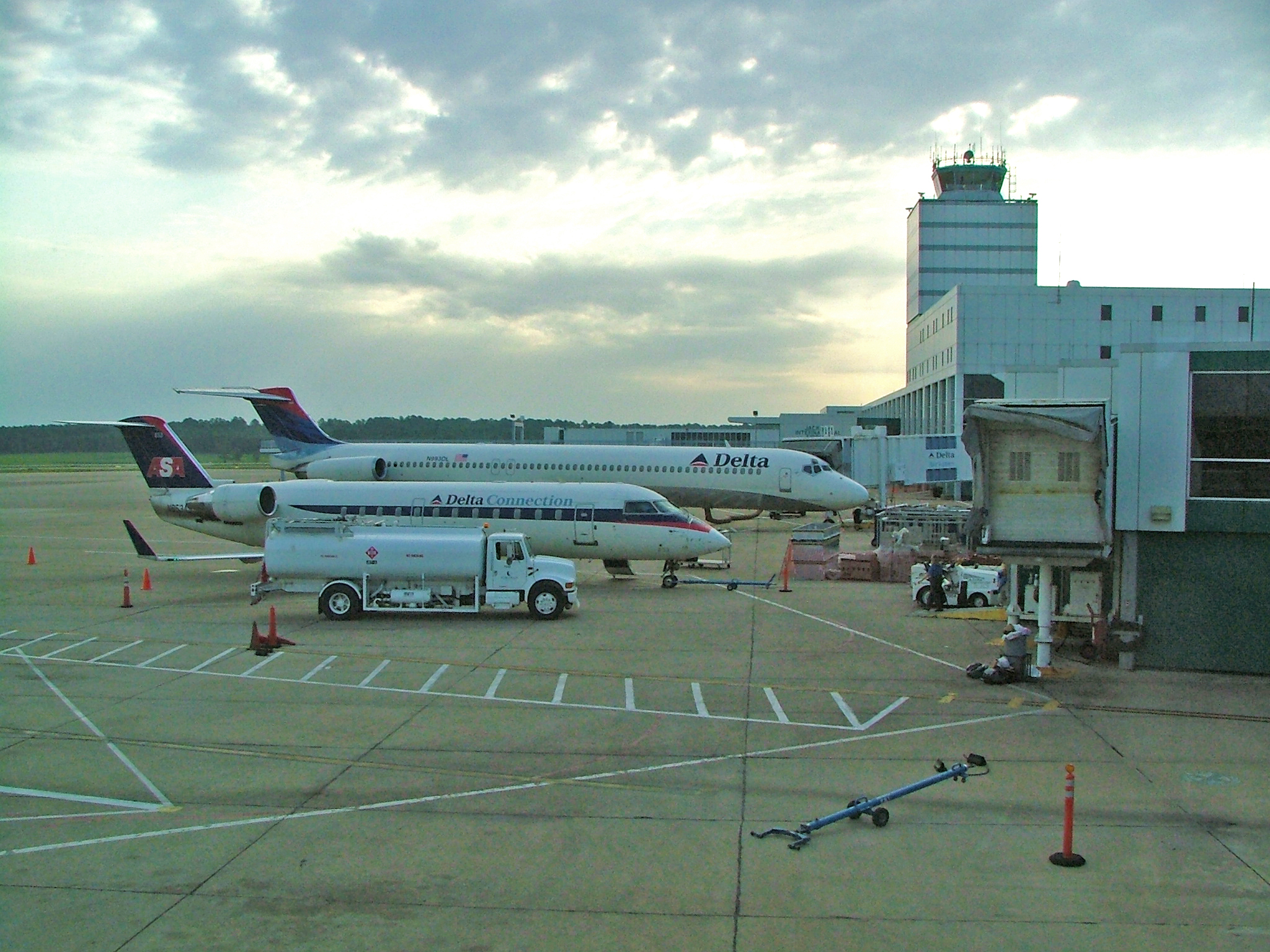
Jackson is served by Jackson-Medgar Wiley Evers International Airport (JAN). The Mississippi Civil Rights Museum is essential - powerful, comprehensive, and honest about the state's history. The Mississippi Museum of Natural Science offers lighter fare. The Old Capitol Museum is housed in the original state capitol. The Eudora Welty House preserves the writer's home and garden. The Fondren District offers restaurants and art galleries. For food, the Soul food tradition is strong; the tamales are a Mississippi Delta specialty. The weather is Southern: hot, humid summers. Jackson rewards visitors who engage with the history.
From the Air
Located at 32.30°N, 90.18°W on the Pearl River in central Mississippi. From altitude, Jackson appears as urban development surrounded by suburbs - the downtown modest, the state capitol visible, the sprawl extending toward Madison and Ridgeland where the tax base fled. What appears from altitude as Mississippi's capital is where Medgar Evers was murdered - where civil rights faced fierce resistance, where white flight hollowed the city, and where the water crisis revealed infrastructure failure.