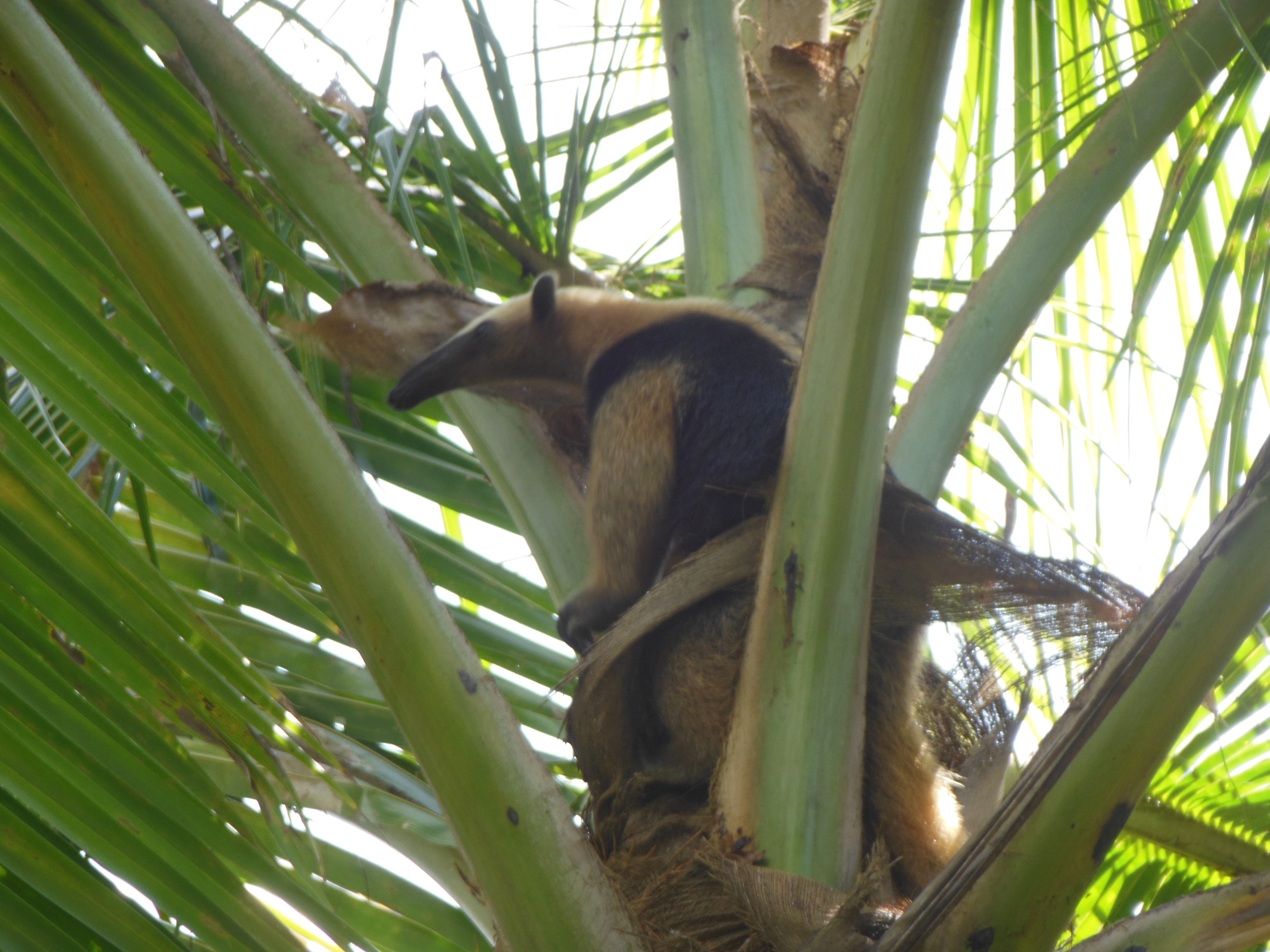
Jairo Mora Sandoval Gandoca-Manzanillo Mixed Wildlife Refuge
On the night of May 30, 2013, Jairo Mora Sandoval was returning from a patrol of leatherback turtle nests with four volunteers when masked men ambushed them on a dark beach road. He was 26 years old. His body was found the next morning on Playa Moin, bound and beaten. The wildlife refuge that now carries his name stretches along Costa Rica's southernmost Caribbean coast, where tropical forest meets coral reef and the beaches are swallowed by high tide twice a day. It is a place of extraordinary beauty and unresolved tension -- between poachers and protectors, between conservation mandates and the rights of the communities who were here first.
The Man Behind the Name
Jairo Mora Sandoval grew up along this coast and became a vocal advocate for sea turtle conservation, working to protect the nests of leatherback, green, and hawksbill turtles that lay eggs on the refuge's beaches. His work made him a target. In 2012, he was threatened at gunpoint and told to stop his nightly patrols. He continued. After his murder, the case drew international outrage and a complex legal process -- seven men were initially acquitted in January 2015, provoking worldwide condemnation, before a retrial in 2016 convicted four of them with sentences ranging from 74 to 90 years. On September 2, 2013, the refuge was formally renamed in his honor. The posthumous ceremony took place on April 26, 2014, in the refuge he had worked to protect. His death did not end the poaching, but it made ignoring it harder.
Roots Along the Shore
Long before the refuge existed, the Bribri people inhabited this territory. During the 1700s, Afro-descendant fishermen from English Caribbean colonies began migrating seasonally along the coast to hunt sea turtles. In 1828, one fisherman brought his family to what is now Cahuita Point, and other families followed, establishing the Afro-Caribbean communities that still define the coast's character. The region's isolation -- flimsy bridges over dirt roads kept San Jose far away through much of the 20th century -- preserved both the culture and the ecosystems. When the refuge was created by national decree in 1986, it encompassed these fishing villages along with the forest and reef. The English-speaking Afro-Caribbean minority suddenly found their homes inside a nature reserve, subject to strict building codes and Costa Rica's Maritime Law.
Conservation and Its Costs
The refuge's creation raised a question that remains unresolved across the tropics: what happens to the people already living inside a protected area? In the early 2010s, residents of villages like Manzanillo, Punta Cocles, Playa Chiquita, and Punta Uva received notices of impending evictions and demolition orders for properties deemed in violation of building codes. Resentment grew. Critics called it greenwashing racism -- conservation policy applied disproportionately to a marginalized Afro-Caribbean community. In 2014, the Costa Rican legislature passed Law 9223, the Recognition of the Rights of Inhabitants of the South Caribbean, which removed 900 acres of coastal land from the refuge to allow local development. The villages now form enclaves within the protected area, offering hotels, restaurants, and beach bars alongside the forest and reef that the refuge was created to protect.
Where the Forest Meets the Reef
The refuge protects both land and sea along roughly 15 kilometers of coastline. Coral reefs front beaches backed by tropical forest receiving between 1,950 and 3,000 millimeters of rain annually. It is one of only two places in Costa Rica where manatees still occur. Leatherback, green, and hawksbill turtles nest on its beaches. Blue morpho butterflies drift through the understory, and macaws -- part of an active reintroduction program -- nest in artificial barrels hung from trees. The Gandoca-Manzanillo Ramsar wetland site sits within the refuge's boundaries, an internationally recognized wetland of importance. Access is free, managed by SINAC under the Caribbean La Amistad Conservation Area. The main entrance is at the village of Manzanillo, where Route 256 ends in a loop almost entirely encircled by protected land and sea.
From the Air
Located at approximately 9.58N, 82.64W along Costa Rica's southernmost Caribbean coast, near the Panama border. The refuge stretches along the coastline from Manzanillo south to Gandoca. Nearest major airport is Juan Santamaria International Airport (MROC) in San Jose, approximately 4 hours by road. The Limon airport (MRLM) is closer. From the air, look for the narrow coastal strip between turquoise Caribbean waters with visible reef patches and dense green forest, with the Sixaola River marking the Panama border to the south. Best viewed at 3,000-5,000 feet to appreciate the coastline detail.