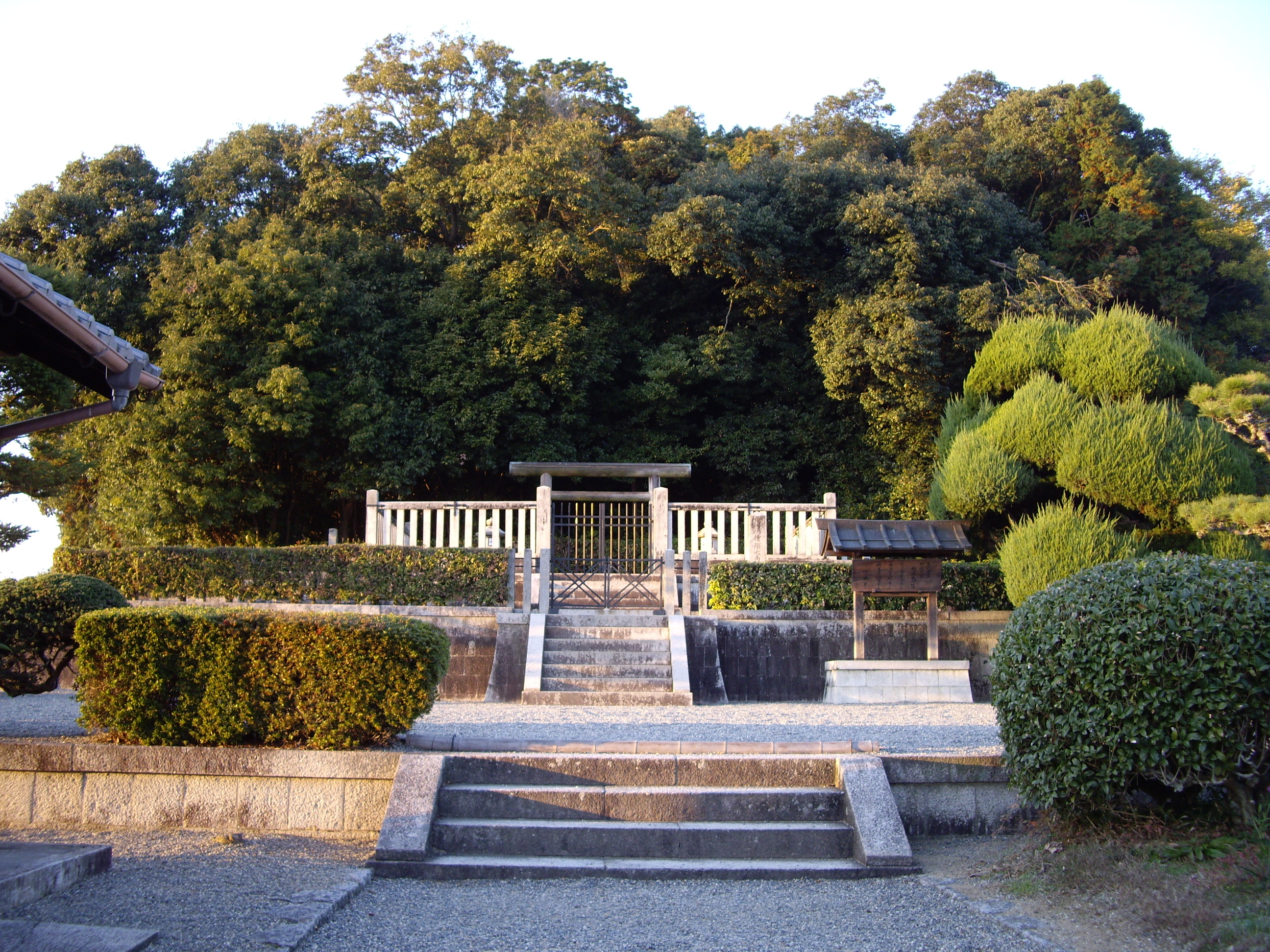
Japanese Imperial Tombs
From the air, they look like enormous keyholes punched into the suburbs of Osaka and the rice fields of Nara -- forested islands ringed by moats, too symmetrical to be natural hills. These are Japan's imperial kofun, burial mounds constructed between the third and seventh centuries to house the remains of emperors, empresses, and members of the ruling elite. The Imperial Household Agency maintains an official registry of 124 imperial tombs, covering emperors both historical and legendary, stretching from the mythical Emperor Jimmu to Emperor Showa. And here is the remarkable thing: most of these sites have never been scientifically excavated. The Agency considers them sacred religious sites -- sanctuaries for the spirits of the imperial ancestors -- and they remain strictly off-limits to archaeologists and the public alike.
Bigger Than the Pyramids
The sheer scale of Japan's largest kofun defies expectation. The Daisen Kofun in Sakai, attributed to Emperor Nintoku, stretches approximately 486 meters in length and over 300 meters in width, surrounded by three concentric moats. Its footprint covers more ground than the Great Pyramid of Giza. Construction is estimated to have required some 2,000 workers laboring daily for nearly 16 years. When the Mozu-Furuichi Kofun Group -- the cluster of burial mounds around Osaka that includes the Daisen Kofun -- was inscribed as a UNESCO World Heritage Site in 2019, it drew global attention to a form of monumental architecture that had long been overshadowed by Egypt and Mesoamerica. Approximately 160,000 kofun of varying sizes were built across the Japanese archipelago during this era, though only a fraction were imperial. The distinctive keyhole shape, called zempo koen fun, combined a circular rear mound with a rectangular front platform, creating an unmistakable silhouette visible only from above.
The Locked Archive
The Imperial Household Agency's grip on these sites is absolute. As the administrative body responsible for the affairs of the imperial family, the Agency designates 188 burial mounds throughout Japan as official imperial graves, and each one is fenced, gated, and guarded. Researchers have lobbied for decades to be allowed inside, arguing that modern non-invasive techniques could reveal crucial information about early Japanese state formation without disturbing the burials. The Agency's position is unwavering: these are not archaeological sites but active religious spaces where the spirits of emperors rest. Some scholars have questioned whether all 124 tomb assignments are historically accurate, since many were designated during the Meiji era based on limited evidence. The irony is profound -- the very sites that could answer fundamental questions about the origins of the Japanese state are locked behind gates that only imperial priests may enter.
Shapes That Tell a Story
The evolving forms of imperial tombs trace the arc of Japanese political and cultural history. Early legendary emperors received massive keyhole-shaped kofun, asserting raw power through sheer volume of earth and stone. By the seventh century, octagonal forms appeared, signaling a shift toward Chinese-influenced court culture and Buddhist ideas about the afterlife. The Asuka-period tombs of Nara Prefecture are markedly smaller and more refined, with elaborately cut stone burial chambers replacing the earlier earthen interiors. When Buddhism took firm hold, imperial burial customs shifted again: emperors of the Kamakura and Muromachi periods received modest memorial halls and pagoda-style monuments rather than earthen mounds. The Edo period saw a return to ceremonial formality, with many emperors interred beneath nine-tiered stone pagodas in Kyoto temple complexes. Finally, the modern emperors -- Meiji, Taisho, and Showa -- were buried in circular mounds atop square bases, a style called joendoho that consciously evoked the grandeur of the ancient kofun while incorporating contemporary design.
A Dynasty Written in Earth
The registry of imperial tombs is, in essence, a physical map of the Japanese monarchy's 2,600-year mythological timeline laid across the landscape of western Japan. The earliest entries -- Emperors Jimmu through Kaika -- are considered legendary by historians, their assigned tombs likely dating to periods centuries removed from the lives they are supposed to memorialize. The historical record grows firmer from Emperor Ojin onward, and the keyhole-shaped kofun of the fifth century represent perhaps the clearest physical evidence of centralized power in ancient Japan. Notably, the list includes eight empresses -- women like Suiko, Kogyoku, and Meisho -- whose tombs confirm that female sovereignty was not anomalous but recurring. The geographic concentration of these sites in the Kinki region, particularly around Nara, Osaka, and Kyoto, reflects the political center of gravity for most of Japan's recorded history. Walking among them today, with their forested crowns rising above modern housing developments and convenience stores, feels like encountering time itself buried just beneath the surface.
From the Air
The imperial tombs are concentrated in the Kinki region of Japan, centered around coordinates 34.497N, 135.788E (Nara area). The largest concentration of keyhole-shaped kofun is visible around Sakai, south of Osaka, where the Mozu-Furuichi group is best observed from 5,000-10,000 feet. The distinctive keyhole outlines of the largest mounds, particularly the Daisen Kofun, are visible even from high altitude as dark forested shapes surrounded by moats amid dense urban development. Major airports: Kansai International (RJBB) and Osaka Itami (RJOO). Additional tomb clusters are scattered through the Asuka valley in Nara Prefecture and around Kyoto. Clear weather provides the best viewing conditions for spotting the moat-ringed mound shapes.