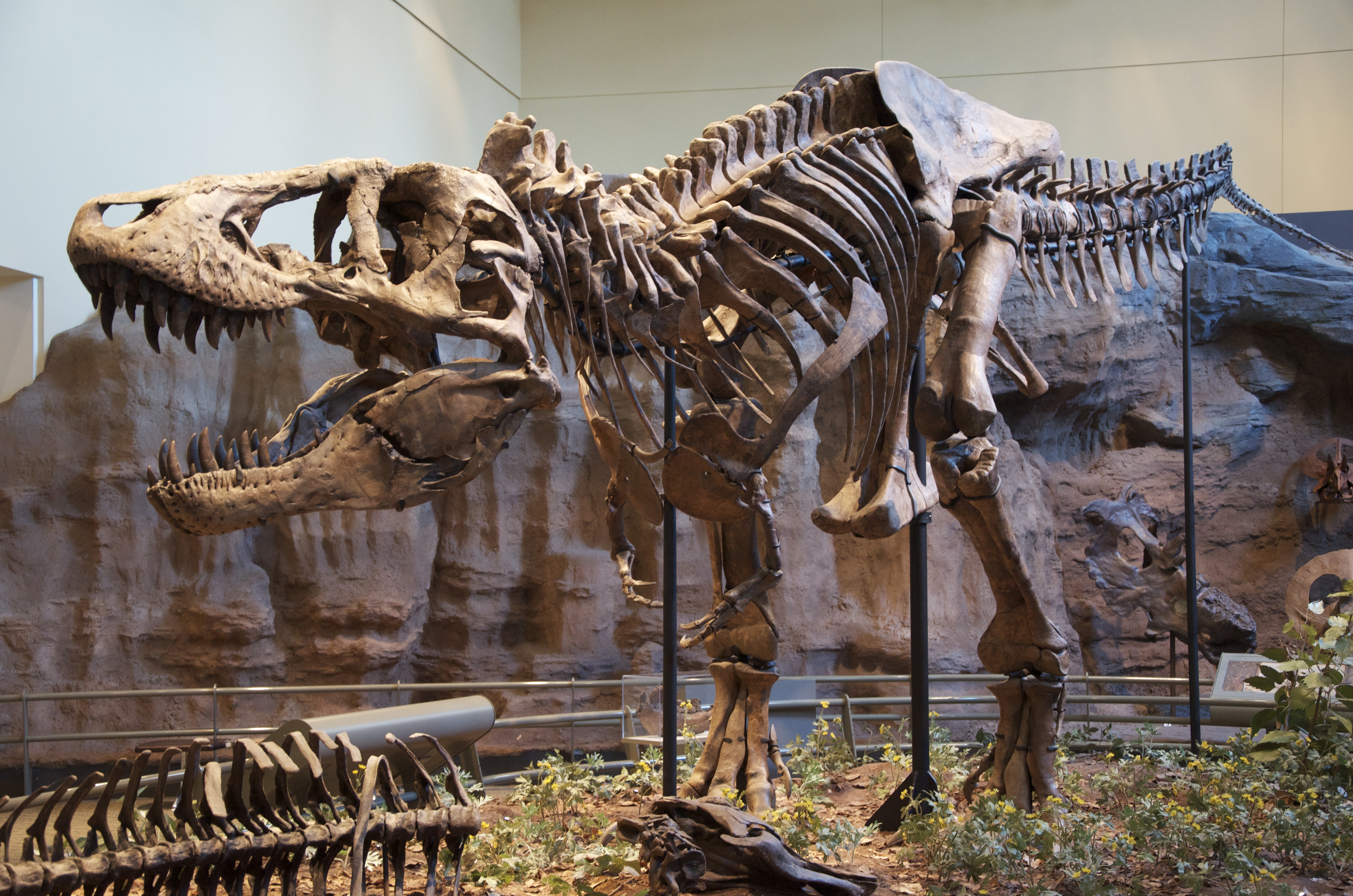
Jehol Biota
Imagine a world of temperate forests and freshwater lakes, periodically buried under volcanic ash, where feathered dinosaurs hunted in the canopy and some of the earliest flowering plants grew at the water's edge. This was northeastern China between 133 and 120 million years ago, during the Early Cretaceous. The Jehol Biota -- named for the historical Rehe Province where its fossils are found -- is not a single spectacular specimen but an entire ecosystem, preserved in such extraordinary detail that scientists can reconstruct not just what lived here, but how it lived, what it ate, and what color it was.
A World Sealed in Ash
The Jehol Biota is preserved primarily in the Yixian and Jiufotang Formations, layers of lacustrine sediment interbedded with volcanic ash. The preservation is so exceptional that these formations qualify as Lagerstatte -- sites of extraordinary fossil quality. Animals and plants were not merely buried; they were sealed rapidly in fine-grained volcanic sediment under anoxic lake-bottom conditions that prevented decay and scavenging. The result is fossils that retain articulated skeletons, soft tissues, color patterns, stomach contents, and even twigs with leaves and flowers still attached. Zhonghe Zhou and colleagues deduced that organisms were washed gently into the lakes or were already in the water when they died, without the damage typically caused by flooding or transport.
Refuge and Laboratory
The Jehol Biota is scientifically remarkable for containing both ancient relict species and the earliest members of lineages that would later dominate the planet. The compsognathid Sinosauropteryx and the pterosaur Dendrorhynchoides were holdovers from the Late Jurassic, survivors in what may have been an isolated refugium separated from Europe by the Turgai Sea. Alongside these living fossils lived the earliest known neoceratopsians, therizinosaurs, tyrannosaurs, and oviraptorids -- primitive forms of the dinosaur groups that would spread across the world by the Late Cretaceous. Northeastern Asia, it appears, was both a shelter for ancient lineages and a cradle for new ones.
The Diversity That Changed Science
The sheer variety of Jehol organisms rewrote multiple chapters of paleontology. The biota includes the earliest known angiosperms -- flowering plants, including the aquatic Archaefructus. Insects experienced their largest Mesozoic diversification. Mammals grew to sizes never before seen in the age of dinosaurs. The forests that surrounded the Cretaceous lakes were dominated by conifers, ginkgoes, cycads, and seed ferns, with ground cover of lycopods, horsetails, and ferns. Birds diversified explosively, from the abundant Confuciusornis to early enantiornithines. The four-winged Microraptor demonstrated that the evolution of flight took experimental detours that no one had predicted. Every year, new discoveries from the Jehol continue to surprise.
A Climate Colder Than Expected
One of the Jehol Biota's most surprising revelations concerns climate. Oxygen isotope analysis has shown that average yearly temperatures during the Early Cretaceous in this region were around 10 degrees Celsius -- far colder than the uniformly warm world that scientists had long assumed for the Mesozoic era. The cold may have been due to northeastern China's high latitude during this period. This temperate, seasonally variable climate created a patchwork of habitats: conifer forests, lake margins, open clearings, and volcanic wastelands in various stages of recovery. The diversity of habitats, combined with the periodic destruction and regrowth caused by volcanic eruptions and wildfires, may explain why so many different species evolved in such a relatively small area. The Jehol was not a paradise -- it was a dynamic, unstable environment that drove rapid adaptation and diversification.
From the Air
The Jehol Biota fossils come from a broad area of western Liaoning and neighboring provinces, centered approximately at 41.30N, 122.60E. The fossil-bearing formations are not visible as distinct features from altitude, but the rolling terrain of western Liaoning is characteristic. Nearest airports include Jinzhou Jinzhouwan (ZYJZ) and Shenyang Taoxian (ZYTX).