Jigokudani Monkey Park: Where Macaques Invented the Spa Day
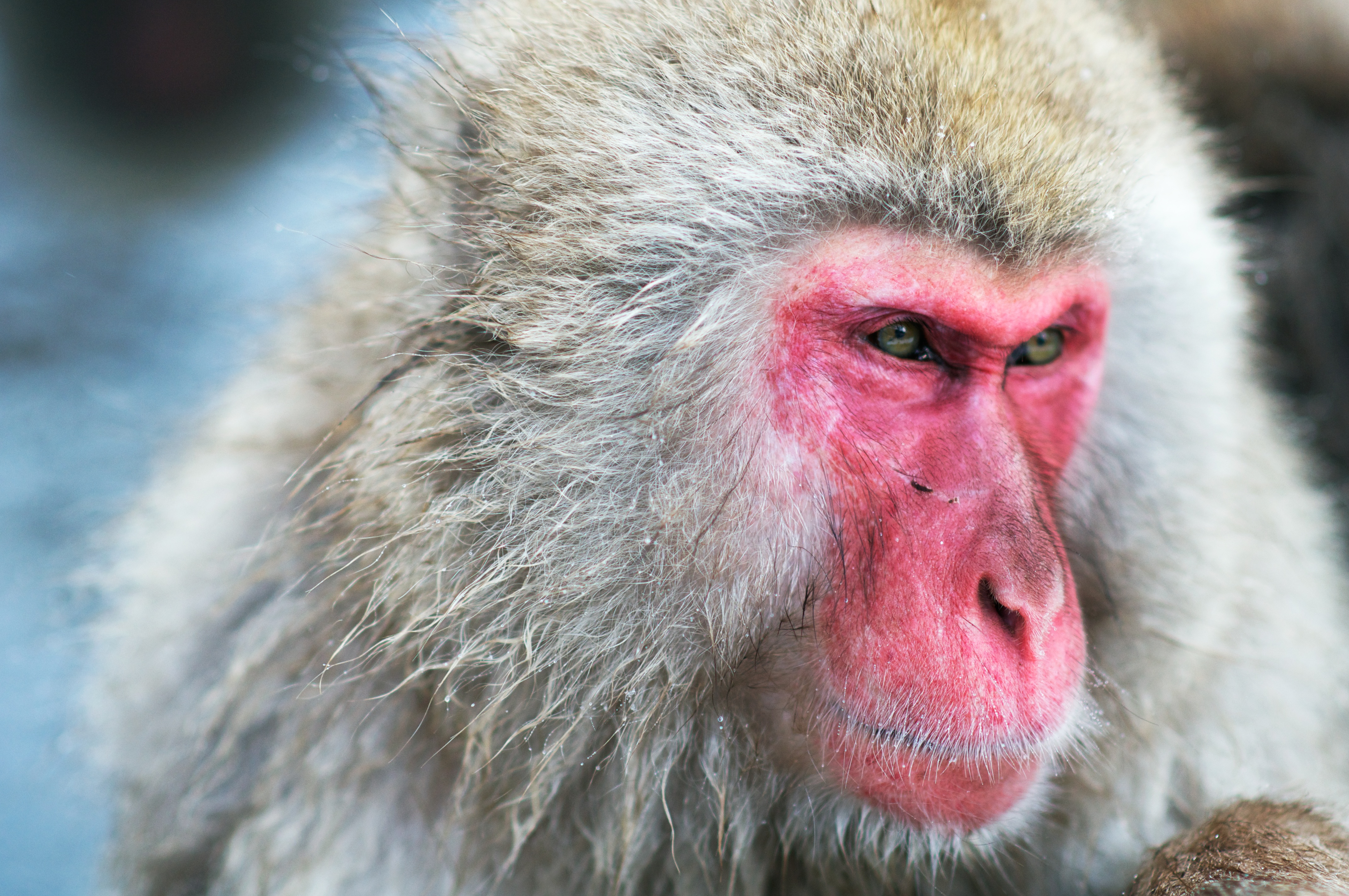
Steam hisses from cracks in the frozen ground. Boiling water seeps through rock crevices, pooling into turquoise basins ringed by snowdrifts. The valley earned its name honestly: Jigokudani means "Hell's Valley" in Japanese, a reference to the volcanic vents, steep cliffs, and hostile forests that make this gorge in Nagano Prefecture look like something out of a netherworld. But every winter, the residents of this particular hell look entirely at peace. Dozens of Japanese macaques -- rust-furred, pink-faced, utterly unbothered -- sit chin-deep in the hot springs, grooming each other, dozing, and occasionally closing their eyes with an expression that anyone who has ever sunk into a hot bath will recognize immediately.
Refugees from the Ski Slopes
The macaques were not always here. Through the 1950s, troops of Japanese macaques lived higher in the mountains around Shiga Kogen, foraging through forests that had sheltered them for centuries. Then the ski resorts arrived. Forest clearing and resort development pushed the monkeys downslope and into human settlements in the Yokoyu River valley, where they raided crops and became agricultural pests. The local response was not extermination but accommodation. A park was established to manage the relationship, and attendants began feeding the macaques to keep them concentrated in one area. The monkeys, meanwhile, discovered the onsen -- the natural hot springs that bubble up through the volcanic terrain. Nobody taught them to bathe. One monkey waded in, others followed, and a tradition was born. Today, the troop numbers in the hundreds, descending from the steep cliffs and forests each day to soak in the warm water before climbing back to the security of the trees each evening.
The Bathers of Hell's Valley
What makes Jigokudani famous is not just that monkeys bathe -- it is how they bathe. The macaques submerge themselves slowly, settling into the steaming pools with deliberate calm while snow accumulates on the fur of their heads and shoulders. They groom each other in the water, picking through wet fur with meticulous fingers. Juveniles splash and wrestle at the edges. Alpha males claim the best spots, radiating a proprietary calm. The scene is so recognizably human -- the sighing relaxation, the social hierarchy of who gets the warmest seat, the reluctance to leave -- that it became an international sensation after appearing in Ron Fricke's 1992 documentary Baraka. Photographers now travel from around the world to capture the image of a macaque sitting in a hot spring, snowflakes on its eyelashes, eyes half-closed in what looks unmistakably like bliss.
Four Months Under Snow
Snow covers the ground at Jigokudani for four months each year. The park sits in the valley of the Yokoyu River in northern Nagano Prefecture, within the larger Joshinetsu Kogen National Park. Reaching it requires a roughly thirty-minute walk along a narrow forest trail -- no roads reach the hot springs. That inaccessibility is part of the magic. The walk filters out crowds, and the monkeys remain wild despite the daily feeding. They are not confined or caged. Visitors share the same ground as the troop, standing meters away from animals that largely ignore them. Because the macaques are fed year-round by park attendants, they remain near the hot springs even in warmer months, though winter remains the iconic season, when the contrast between volcanic warmth and alpine cold creates those otherworldly scenes of fur and steam and snow.
Not the Northernmost, But the Most Famous
Japanese macaques hold the distinction of being the northernmost-living nonhuman primates on Earth, but Jigokudani's troop does not hold that specific record. The true northern limit of macaque habitat lies on the Shimokita Peninsula, at the northern tip of Honshu island, roughly 500 kilometers farther north. What Jigokudani's macaques possess instead is cultural fame. They are arguably the most photographed wild primates in the world, icons of the intersection between wildness and civilization. The park sits about three and a half hours from Tokyo, close enough for day trips yet remote enough to feel like genuine wilderness. The macaques themselves are Macaca fuscata -- a species endemic to Japan, adapted to cold climates, and capable of complex social behaviors that continue to fascinate primatologists. Their hot-spring bathing, once a survival adaptation, has become a cultural phenomenon that draws visitors from every continent.
From the Air
Located at 36.73°N, 138.46°E in the Yokoyu River valley, northern Nagano Prefecture, Japan. The park sits within the Joshinetsu Kogen National Park at moderate elevation in steep, forested terrain. From the air, look for the volcanic steam vents rising from the narrow valley -- white plumes against dark forest canopy are visible in cold weather. The nearest significant airport is Matsumoto Airport (RJAF), approximately 80 kilometers to the south. Shinshu-Matsumoto Airport handles regional traffic. The valley is surrounded by mountains on all sides, and terrain awareness is critical at lower altitudes. Best viewed from 3,000-5,000 feet AGL. The Shiga Kogen ski area is visible on the ridges to the east.