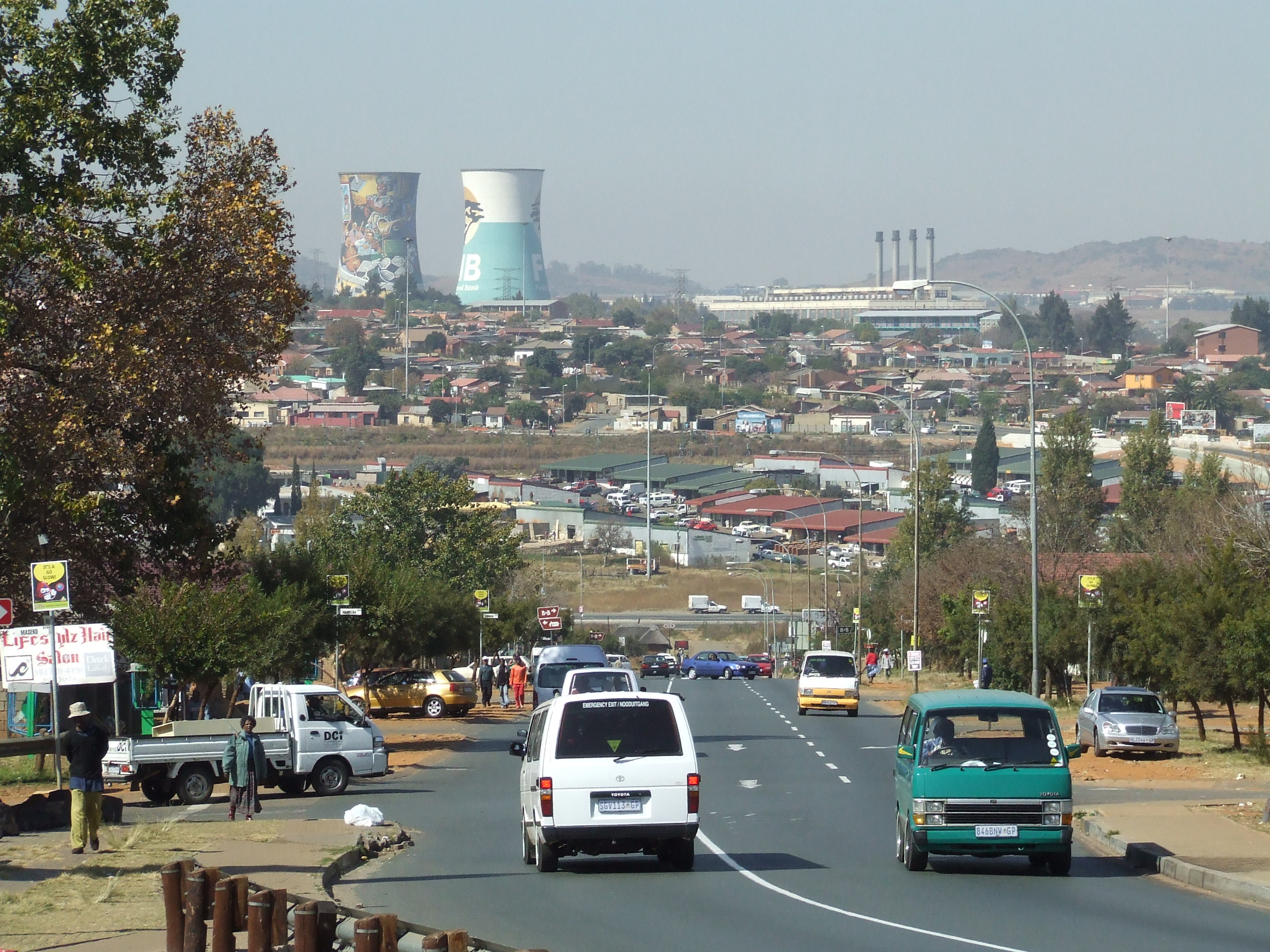
Soweto
The name is an acronym, and acronyms are usually forgettable. This one is not. Soweto -- South Western Townships -- was first used in 1963 to describe the sprawling cluster of residential areas southwest of Johannesburg where black South Africans were forced to live under apartheid. The townships began forming after a bubonic plague outbreak in Johannesburg's inner-city slums in 1904 prompted the government to relocate black residents, but it was the apartheid regime that turned Soweto into the vast, segregated dormitory city it became. Today, Soweto is home to the Nelson Mandela National Museum on Vilakazi Street, the only street in the world where two Nobel Peace Prize laureates -- Mandela and Desmond Tutu -- once lived. It draws visitors from around the world, not as a monument to suffering, but as a place where suffering was met with defiance, creativity, and an unbroken will to live fully.
A City Built by Force
Soweto did not grow organically. It was engineered. Under apartheid, the Group Areas Act and pass laws systematically removed black South Africans from Johannesburg proper and funneled them into townships to the southwest, where they would be close enough to serve the city's economy but far enough to remain invisible to white residents. The townships multiplied over decades: Orlando, Meadowlands, Diepkloof, Dobsonville, and dozens more, eventually merging into a vast urban region that housed millions. The narrow streets, small matchbox houses, and minimal infrastructure were by design -- not the design of the people who lived there, but of a government that viewed them as temporary labor rather than permanent citizens.
Where Resistance Found Its Voice
Soweto's most famous moment came on 16 June 1976, when thousands of students marched to protest the mandatory use of Afrikaans as a language of instruction in their schools. Police opened fire. Among the first killed was 12-year-old Hector Pieterson, whose image -- carried by a fellow student, his sister running alongside in anguish -- became one of the most powerful photographs of the anti-apartheid struggle. The Soweto uprising, as it became known, spread across the country and marked a turning point in the fight against apartheid. The Hector Pieterson Museum, established from an exhibit that originated at MuseuMAfricA in Johannesburg's Newtown district, now stands near the site where the violence began.
Vilakazi Street and Living Memory
The tourist-friendly heart of Soweto is Orlando West, centered on Vilakazi Street, a modest residential road that punches far above its weight in historical significance. Nelson Mandela lived at number 8115 before his imprisonment -- the house is now the Mandela House museum -- and Archbishop Desmond Tutu lived on the same street. Walking Vilakazi Street today means passing restaurants, street vendors, and the steady hum of a neighborhood that has learned to coexist with its fame. Beyond the tourist circuit, Soweto remains a vast and complex urban area. The Maponya Mall near Nancefield station caters to Soweto's growing middle class, while shebeens -- informal drinking establishments -- remain a fixture of social life in quieter neighborhoods.
Rhythms of a Township
Soweto's cultural identity runs deeper than its political history. The annual Soweto Wine Festival has become one of the city's most anticipated lifestyle events, a deliberate challenge to the notion that wine culture belongs exclusively to South Africa's wealthier enclaves. Street food is its own institution: visitors at the Baragwanath taxi rank can try "runaways" -- chicken feet -- or "smileys," which are grilled sheep's heads, split and served with a grin that gives them their name. Music has always been central, from the jazz clubs that thrived during apartheid to the kwaito and amapiano scenes that emerged in the post-liberation era. Chris Hani Baragwanath Hospital, one of the largest hospitals in the world, anchors the southern end of the area and serves as a reminder that Soweto is not a museum but a living city with all the needs and ambitions of any urban population.
Navigating Today's Soweto
Most visitors arrive on guided tours from Johannesburg hotels, and for first-time visitors this remains the most practical approach. The road infrastructure is good -- GPS set to Vilakazi Street will get you there without trouble -- and the MetroRail suburban trains from Johannesburg Park Station serve multiple Soweto stations, including Phefeni for the Orlando West tourist area. But Soweto is enormous, and visitors exploring independently should be aware that wandering far from the established tourist zones invites both confusion and unwanted attention. The best approach is to pair the landmarks -- Mandela House, the Hector Pieterson Memorial, Regina Mundi Church -- with time spent in places where Soweto lives its daily life: a meal at a local restaurant, a conversation at a shebeen, a walk through the market stalls that line the taxi ranks.
From the Air
Located at 26.222S, 27.890E, southwest of central Johannesburg. Soweto is visible from the air as a vast, densely built residential area spreading south and west from the Johannesburg CBD. The distinctive cooling towers of the decommissioned Orlando Power Station, now painted with murals, are a recognizable landmark. OR Tambo International Airport (FAOR) is approximately 35 km to the east-northeast. Lanseria International Airport (FALA) is about 30 km to the north. Viewing altitude: 4,000-8,000 feet AGL to appreciate the scale of the townships.