Joint Security Area
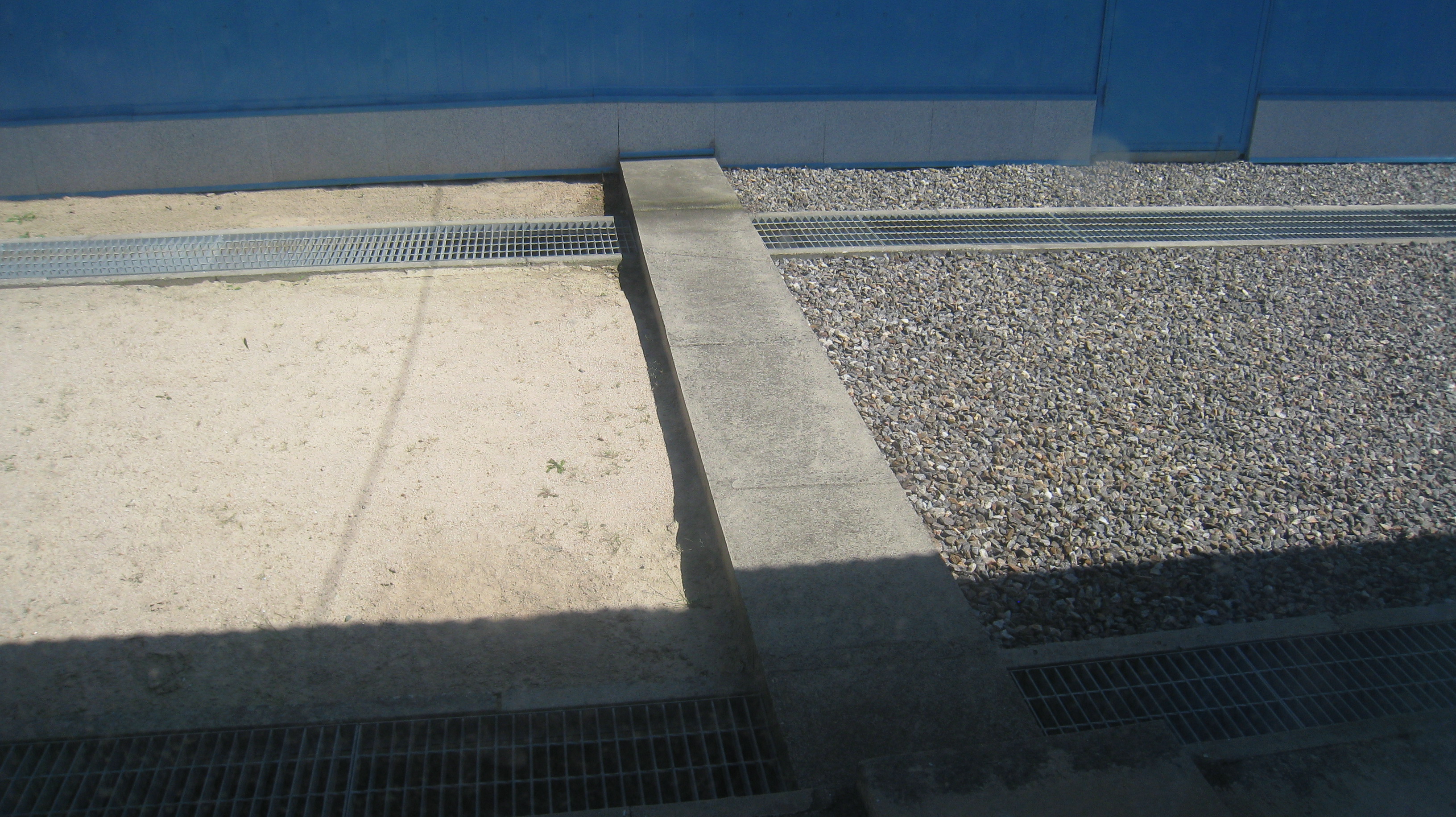
Step across a concrete curb at Panmunjom and you are in another country. No passport control, no customs hall, no border fence -- just a low slab of concrete running between a row of blue conference buildings where, for decades, soldiers from the world's most hostile standoff stared at each other from arm's length. The Joint Security Area is the only place along the 250-kilometer Korean Demilitarized Zone where North and South Korean forces stood face-to-face without any buffer. Since 2018, even that proximity has softened: the JSA's landmines have been removed, its weapons withdrawn, and its guard posts dismantled. What remains is 35 unarmed security personnel and a collection of buildings where some of the Cold War's tensest negotiations took place.
The Geometry of Distrust
The JSA occupies roughly 800 meters of the DMZ on both sides of the Military Demarcation Line. Its layout is deceptively simple: a row of sky-blue conference buildings straddling the border, flanked by larger structures on each side. The blue buildings belong to the United Nations Command and are used for diplomatic meetings. The Military Demarcation Line runs through the center of each building, so that during negotiations, each side literally sits in its own country. Before 2018, South Korean soldiers stood in modified taekwondo stances at the border, fists clenched, legs braced, sunglasses hiding their eyes -- a posture designed to project readiness. North Korean soldiers watched from their own posts. The gap between them could be measured in feet. For visitors, the effect was surreal: a conflict frozen not at a safe distance but in close-up.
Flashpoints and Near-Misses
The JSA's history reads like a catalog of crises that could have reignited the Korean War. In August 1976, North Korean soldiers killed two American officers, Captain Arthur Bonifas and First Lieutenant Mark Barrett, with axes during a dispute over pruning a poplar tree -- an incident that brought the peninsula to the brink of war before the U.S. responded with the overwhelming show of force called Operation Paul Bunyan. In 1984, a Soviet tourist visiting from the North side sprinted across the demarcation line seeking asylum; North Korean and UNC soldiers exchanged gunfire in the chase, and one defecting Soviet citizen and three North Korean soldiers were killed. In November 2017, a North Korean soldier drove a jeep toward the border, leapt out under fire from his own comrades, and crawled across the line with five bullet wounds. South Korean soldiers dragged him to safety. He survived.
Summits in the Space Between
The same ground where soldiers were killed has also hosted the Korean peninsula's most hopeful moments. On April 27, 2018, South Korean President Moon Jae-in and North Korean leader Kim Jong Un met at the JSA for the first inter-Korean summit held on the southern side of the demarcation line. Kim stepped across the concrete curb from north to south -- and then, in an unscripted gesture, took Moon's hand and briefly pulled him across to the north side. The image circled the world. The two leaders planted a tree together using soil from mountains on both sides of the border. The summit produced the Panmunjom Declaration, pledging to pursue a formal end to the Korean War and the denuclearization of the peninsula. In the years since, those pledges have gone largely unfulfilled, but the symbolism of the moment -- two leaders standing together in the most divided place on Earth -- remains potent.
Disarming the Last Shared Space
Following the 2018 summit, North and South Korean officials agreed to transform the JSA. By October 25, 2018, all landmines within the area had been cleared, all weapons and guard posts removed. The JSA was reduced to 35 unarmed security guards -- a remarkable change for a place that had bristled with automatic weapons for six decades. The agreement envisioned the JSA serving primarily as a tourist destination, open to visitors from both sides. In practice, that openness has been uneven. Tourism from the South resumed, but broader inter-Korean relations deteriorated again. The blue conference buildings still straddle the line. The concrete curb still marks the border. But for the first time since 1953, no one at Panmunjom is pointing a weapon at anyone else. Whether that lasts depends on politics happening far from this quiet cluster of buildings.
From the Air
Located at 37.957N, 126.677E within the Korean DMZ, approximately 53 km northwest of Seoul. The JSA complex is visible from altitude as a cluster of buildings straddling the Military Demarcation Line. Strict flight restrictions apply -- this is one of the most heavily monitored airspaces in the world. Nearest accessible airports: Gimpo International (RKSS, ~50 km south), Incheon International (RKSI, ~70 km southwest). Osan Air Base (RKSO) and Kunsan Air Base (RKJK) are nearby military installations.