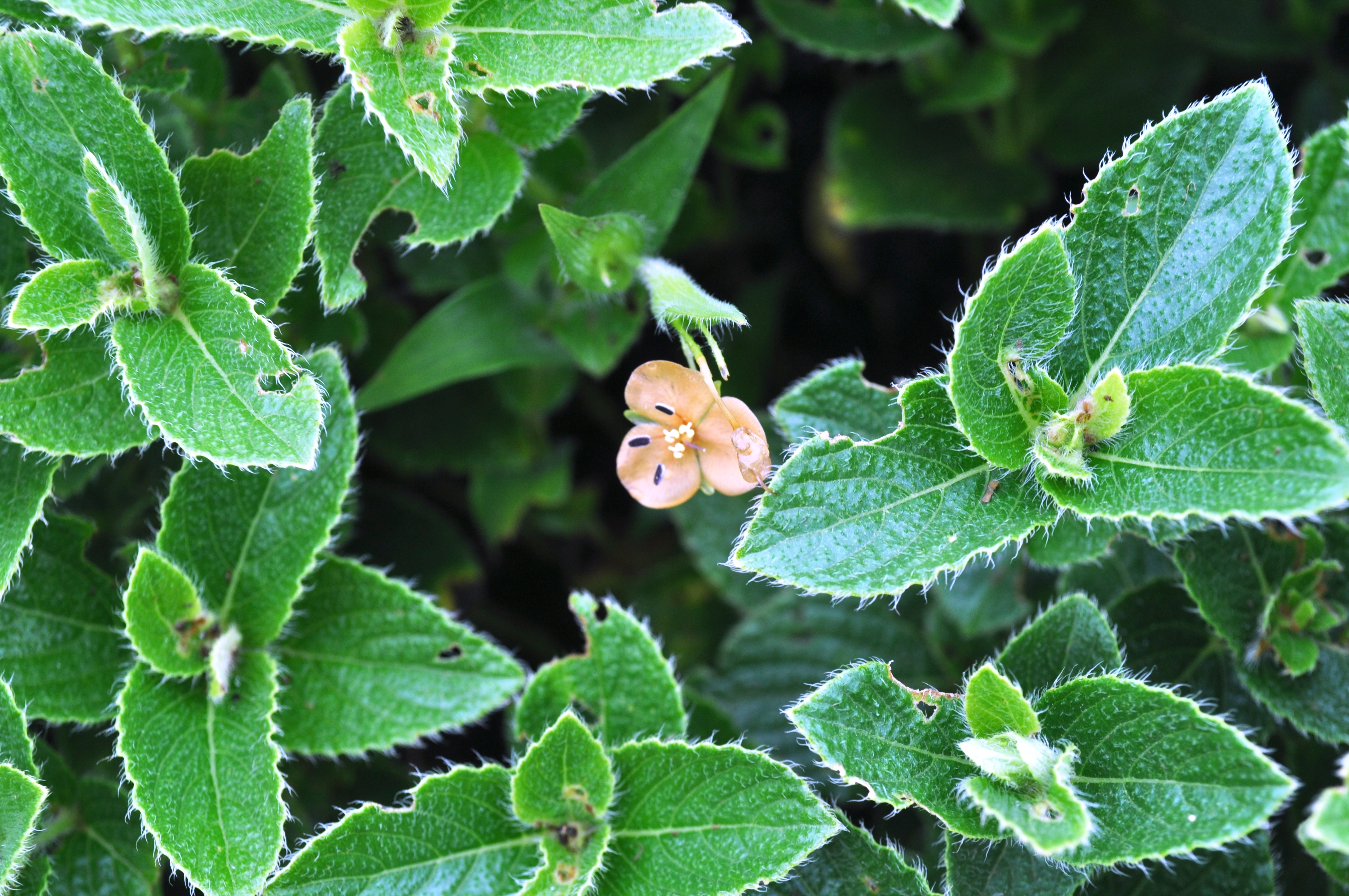
Kas Plateau Reserved Forest
For ten months of the year, the Kas Plateau looks like the surface of another planet: bare basalt, wind-scoured and cracked, with a skin of soil so thin you can scrape it away with your fingers. Then the monsoon arrives, and within weeks this barren tabletop 25 kilometers west of Satara in Maharashtra transforms into one of the most densely packed wildflower displays in Asia. More than 850 species of flowering plants bloom across a plateau whose soil measures, in most places, not more than an inch deep. Thirty-nine of those species grow nowhere else on Earth. UNESCO recognized the plateau as part of the Western Ghats World Natural Heritage Site in 2012, but the flowers had been drawing pilgrims of a different kind -- botanists, ecologists, and increasingly, tourists -- for decades before that.
An Inch of Everything
The geology of Kas defines its biology. The plateau is formed of basalt directly exposed to the atmosphere, covered by a wafer-thin layer of soil that is neither black nor lateritic but something uniquely its own, accumulated grain by grain through erosion. Where the basalt surface dips, water pools in shallow depressions, creating microhabitats that support entirely different plant communities from the raised areas just centimeters away. The plants that thrive here are almost exclusively herbaceous -- grasses, ground-hugging wildflowers, carnivorous bladderworts -- with shrubs and trees confined to the plateau's edges where soil collects in deeper pockets. This extreme constraint produces extreme diversity: more than 624 species recorded on the plateau have entered the Red Data Book of endangered plants. The Kas ecosystem is a lesson in how limitation breeds invention.
The Monsoon Show
August and September are when Kas earns its reputation. The monsoon saturates the basalt, the thin soil swells with moisture, and seeds that have endured months of baking summer heat at 45 degrees Celsius and dry winter at 5 degrees Celsius burst into synchronized bloom. Entire hillsides turn purple with Smithia, yellow with Senecio, white with balsam. Endemic butterflies arrive to pollinate species found nowhere else, their life cycles timed to this brief explosion of color. The plateau sits about 20 kilometers from the northern edge of Koyana Sanctuary, and the two ecosystems exchange species along the connecting ridgeline of the Western Ghats. Kaas Lake, a century-old reservoir on the plateau, supplies water to the western part of Satara city by gravity alone, an engineering simplicity that mirrors the plateau's own unadorned beauty.
Counting What Could Disappear
Researchers have been cataloging the plateau's wealth since at least 1973, when Chavan and colleagues published the first systematic survey. The numbers are staggering for such a small area: 103 species of local conservation concern identified in 2012, 57 species of reptiles and amphibians, more than 200 species of birds, 14 species of macro lichens, 6 of micro lichens. Carnivorous plants of the genus Utricularia grow in the seasonal pools, trapping microscopic organisms in bladder-like structures underground. But the same diversity that attracts researchers also attracts crowds, and since 2008 the alarming rise in tourist numbers has become the plateau's most serious threat. Visitors trample the thin vegetation, compact the fragile soil, and introduce invasive weed seeds on their shoes. A Joint Forest Management Committee now limits daily visitors to 3,000, an acknowledgment that the plateau's carrying capacity is as thin as its soil.
Walking Carefully on Thin Ground
The threats to Kas are both ancient and modern. Cattle grazing and seasonal burning have long pressured the ecosystem, and the road bisecting the plateau kills snakes and fragments habitat. Dung from livestock leads to eutrophication of the seasonal pools that support the most specialized plant communities. But these are pressures the plateau has absorbed for centuries. What it has not evolved to withstand is the sudden weight of popularity. Changing land use in surrounding villages, the socioeconomic upheaval that tourism money brings, and the cultural shifts that follow are altering the human landscape around Kas as thoroughly as trampling alters the botanical one. The most insidious threat is invisible: invasive weeds introduced through foreign soils clinging to visitors' feet and vehicles. These species can outcompete the endemic flora that makes Kas worth visiting in the first place. Protecting the plateau means protecting not just its flowers but the delicate balance of neglect and hardship that allowed them to evolve here.
From the Air
The Kas Plateau is located at 17.72N, 73.82E, approximately 25 km west of Satara city in the Western Ghats of Maharashtra. From the air, the flat basalt plateau is distinctive against the surrounding hilly terrain, particularly during the August-September flowering season when the color contrast is visible even from high altitude. Best viewed at 1,500-3,000 feet AGL. The nearest major airport is Pune's Lohegaon Airport (VAPO), approximately 125 km to the northeast. Kolhapur Airport (VAKP) is about 150 km to the south. The Western Ghats ridgeline provides dramatic terrain for low-altitude approaches. Monsoon season brings low clouds and reduced visibility.