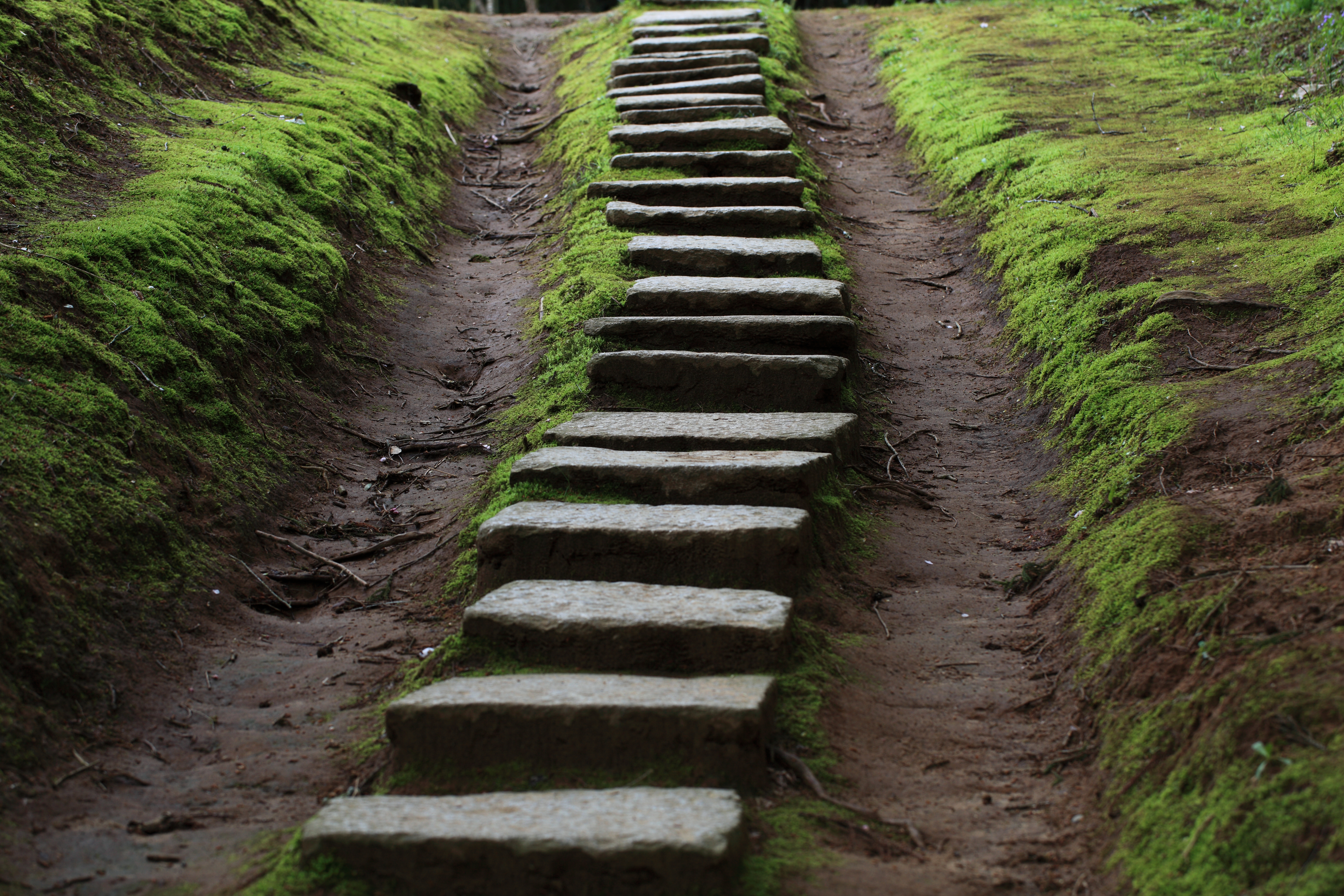
Katori Shrine
In the year 927, when monks at the imperial court compiled the Engishiki -- the great register of Shinto rites and institutions -- only three shrines in all of Japan earned the supreme designation of Jingu. Ise, home of the sun goddess Amaterasu, was one. Kashima, seat of the thunder god, was another. The third was Katori, tucked into the lowlands of what is now Chiba Prefecture, dedicated to Futsunushi, the kami of swords and lightning, a divine general dispatched by Amaterasu herself. That elite trio tells you something about the weight this place carries. While Ise draws millions of tourists and Kashima fills stadiums with its soccer club's name, Katori stands quieter, its forested grounds along the old Tone River basin holding a density of cultural artifacts that few Japanese shrines can match.
A General of the Sun Goddess
Shrine tradition places the founding of Katori Jingu in 643 BC, during the legendary reign of Emperor Jimmu. The historical record is more cautious but no less impressive: the Hitachi-koku Fudoki, a provincial gazetteer from the early seventh century, already describes the shrine as an established institution. By that accounting, Katori was ancient before the first word of the Fudoki was brushed onto paper. The shrine's origin story speaks of clans migrating from Higo Province in Kyushu, subduing the local emishi peoples and forging an alliance with the Nakatomi clan -- ancestors of the Fujiwara, who would dominate Japanese politics for centuries. A bunrei, or divided spirit, of Futsunushi was later carried from Katori all the way to Nara to be enshrined at Kasuga Taisha, binding the shrine's identity to the political power of the Fujiwara across the breadth of the archipelago.
Warlords and Fishing Rights
Through the Kamakura and Muromachi periods, Katori Jingu became a shrine of the warrior class. Minamoto no Yoritomo, founder of Japan's first shogunate, made donations here, as did Ashikaga Takauji, founder of the second. The shrine's influence extended beyond prayer: it controlled fishing rights across the vast Katori Sea, the shallow inland water that once covered much of the Kanto lowlands before centuries of drainage converted it to rice paddies. Highway tolls in both Hitachi and Shimosa provinces funneled revenue back to the shrine complex. When the Tokugawa shogunate consolidated power, it rebuilt Katori entirely -- first in 1607, then comprehensively in 1700. That second reconstruction is what visitors walk through today: the main hall, or honden, and the towering romon gate, both designated Important Cultural Properties, standing much as Tokugawa-era carpenters left them over three centuries ago.
Mirrors Across Dynasties
Katori's treasure house reads like a timeline of East Asian craftsmanship. The shrine's single National Treasure is a round cupronickel mirror from Tang dynasty China, 29.6 centimeters in diameter and weighing 4.56 kilograms, its surface decorated with bas-relief flowers, insects, and a menagerie of real and mythological animals. The mirror is nearly identical to one held in the Shosoin imperial repository in Nara, suggesting both came from the same Chinese workshop over a thousand years ago. Today the Katori mirror rests at the Nara National Museum. Alongside it in the shrine's collection: a white copper mirror inscribed with the date 1149, the oldest known dated Japanese mirror, its style bearing the influence of Song dynasty China or Goryeo Korea. A ceramic pair of komainu guardian figures from the Kamakura-Muromachi era stand only 17 to 18 centimeters tall, yet one appeared on a 250-yen Japanese postage stamp. Add 381 documents spanning the Heian to Edo periods, preserved by the Katori clan's hereditary priesthood, and the collection becomes a paper-and-metal archive of nearly a millennium.
Four Hundred Shrines, One Source
Katori Jingu is the head shrine of approximately 400 Katori shrines scattered across Japan, concentrated primarily in the Kanto region. Each carries the name and some portion of the spiritual connection to this original site in Chiba. The main festival falls on April 14 each year, but the truly spectacular event is the Grand Festival, held only once every twelve years. Through the romon gate, past the name plaque inscribed by Fleet Admiral Togo Heihachiro -- the man who commanded the Japanese fleet at the Battle of Tsushima in 1905 -- visitors enter a precinct where cryptomeria trees tower above stone-paved paths, and the thatched-roof Chokushimon gate, built in 1781 as the entrance for imperial envoys, still stands on a low plot of ground just before the main shrine. The ichinomiya designation, marking it as the highest-ranked shrine of old Shimosa Province, remains a point of quiet pride in a place that has outlasted every government that ever honored it.
From the Air
Located at 35.886°N, 140.529°E in the lowlands of Chiba Prefecture near the Tone River. The shrine's forested grounds are visible as a distinct patch of dark green amid the flat agricultural landscape. Nearby airports include Narita International Airport (RJAA, approximately 15 nm northeast). Best viewed at 2,000-3,000 ft AGL. Lake Kasumigaura lies to the northwest, and the Tone River provides a useful navigation reference running east toward the Pacific coast.