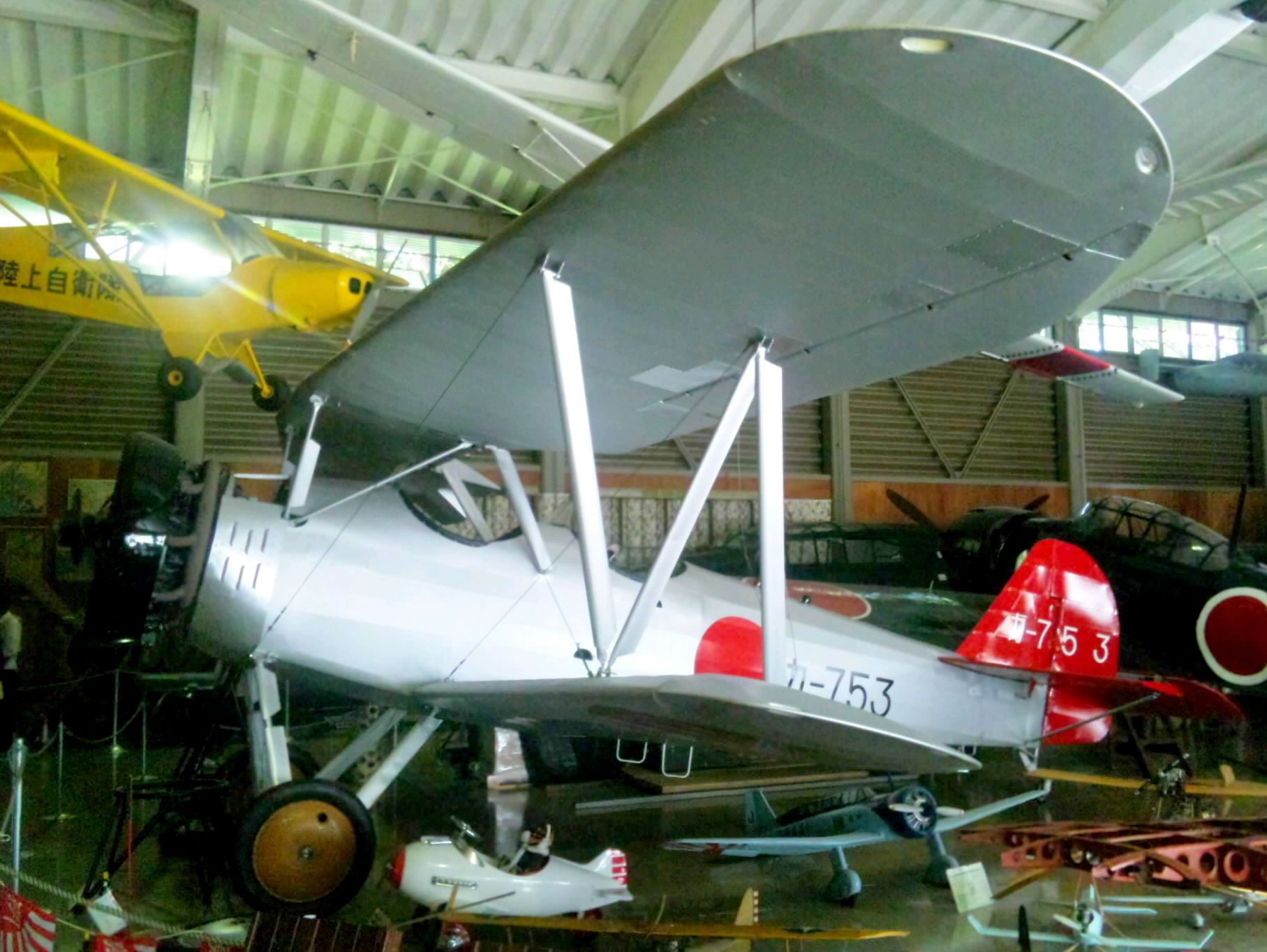
Kawaguchiko Motor Museum / Fighter Museum
For eleven months of the year, this building sits quietly among the trees at the foot of Mount Fuji, locked and dark. Then August arrives, the doors open, and visitors walk among ghosts: Mitsubishi Zeros pulled from jungle wreckage, a rocket-powered kamikaze bomb built for a one-way mission, and the skeleton of a Betty bomber whose forward fuselage had to be rebuilt from scratch. The Kawaguchiko Motor Museum and Fighter Museum is the life's work of Nobuo Harada, a former race car driver who traded the circuit for something far more consuming -- the recovery and restoration of Japan's lost wartime aircraft from battlefields scattered across the Pacific.
A Racer's Second Act
Nobuo Harada founded the Kawaguchiko Motor Museum in 1981, initially as a showcase for antique automobiles. The collection sat in Yamanashi Prefecture, about 100 kilometers west of Tokyo, nestled in the wooded Fuji Five Lakes region. But Harada's ambitions extended far beyond classic cars. Beginning in the 1980s, he organized expeditions to former Pacific battlefields to recover the wrecks of Japanese military aircraft from World War II. These were not casual salvage trips. His teams worked in remote jungle locations, carefully extracting corroded aluminum frames and rusted engine blocks from crash sites decades old. The effort was painstaking, expensive, and deeply personal -- a mission to bring home machines that Japan had largely lost track of.
Zeros Reborn from Wreckage
Harada's crowning achievements are his Zero fighters. His team recovered enough material to restore three complete Mitsubishi A6M Zeros, plus the skeleton of a fourth. One of the finished aircraft, a Model 21, now stands in the lobby of the Yushukan museum at Yasukuni Shrine in Tokyo. The others remain at Kawaguchiko, where visitors can study them at close range. The museum also houses a Mitsubishi G4M2 Betty bomber -- or rather, half of one. Harada's team recovered the damaged rear fuselage from a Pacific wreck, then built the entire forward section from scratch to complete the display. A Nakajima Ki-43 Hayabusa, the workhorse fighter of the Imperial Japanese Army Air Service, rounds out the wartime restorations.
Cold War Iron and a Cherry Blossom Bomb
The collection spans far beyond World War II. Cold War jets line the grounds: a Lockheed F-104 Starfighter, a pair of North American F-86F Sabres, and a Lockheed T-33 Shooting Star, all wearing Japan Air Self-Defence Force markings. A Curtiss C-46 Commando transport and a Grumman S-2 Tracker anti-submarine aircraft represent postwar utility aviation. But perhaps the most sobering artifact is the Yokosuka MXY7 Ohka -- whose name translates to "cherry blossom." This rocket-powered, human-guided missile was designed for one purpose: a pilot would ride it in a terminal dive into an Allied warship, accelerating to speeds exceeding 900 kilometers per hour. The Ohka at Kawaguchiko is a rare surviving example of a weapon that embodied the desperation of Japan's final wartime months.
Thirty-One Days of August
The museum's most unusual feature is its schedule. It opens every day in August and remains closed to the public for the remaining eleven months. This extreme limitation means most visitors plan specifically around this window. The location itself requires commitment: the museum sits along a rural road accessible primarily by car, with only an infrequent local community bus stopping nearby. There is no train station within walking distance. Yet for aviation enthusiasts, the pilgrimage is worth it. Where else can you stand inches from a Zero fighter that was pulled from a Pacific island, examine the crude construction of a kamikaze rocket, and then walk outside to see an F-104 Starfighter with Mount Fuji rising behind it? The juxtaposition is startling -- machines of war set against one of the world's most serene landscapes.
From the Air
Located at 35.4532N, 138.7414E in the Fuji Five Lakes region of Yamanashi Prefecture. The museum sits at the base of Mount Fuji's north slope. Nearest airports include RJTO (Oshima) and RJTF (Chofu), with RJTT (Tokyo Haneda) roughly 100 km to the east. From the air, look for the cluster of Lake Kawaguchiko and surrounding lakes at Mount Fuji's northern base. The museum grounds are not easily distinguishable from altitude, but the distinctive Fuji Five Lakes pattern serves as an excellent navigation reference. Best visibility in summer months, though haze can obscure Mount Fuji.