Kendall-Frost Mission Bay Marsh Reserve
In 1952, Lena Kendall and the A. H. Frost estate signed over two parcels of soggy, tide-swept land to the University of California. At the time, it might have seemed an unremarkable gift. Today, that twenty-acre patch represents one of the last surviving fragments of the coastal salt marsh that once dominated Mission Bay, a living remnant of an ecosystem that development nearly erased from Southern California entirely.
What Survived the Dredges
Before the mid-twentieth century transformed Mission Bay into the aquatic playground it is today, the area was a tidal estuary thick with cordgrass and pickleweed, its channels threading through mudflats that teemed with invertebrates. Dredging, filling, and development consumed most of that wetland. The Kendall-Frost reserve preserves what remains. Combined with the city of San Diego's adjacent Northern Wildlife Preserve, approximately forty acres of this original habitat persists on the bay's northern shore. In 1965, the site became one of the first seven reserves in what is now the University of California Natural Reserve System, a recognition that its scientific value matched its ecological rarity.
Layers of Life in the Mud
The reserve encompasses a gradient of habitats from submerged shoreline to high marsh. At the water's edge, eelgrass beds shelter juvenile fish and invertebrates. Mudflats exposed at low tide wear coatings of algae and bacterial mats that feed shorebirds probing with their bills. The low marsh supports California cordgrass and perennial pickleweed, plants that thrive where salt would kill most vegetation. Higher up, the midmarsh zone hosts salt-tolerant species like sea lavender and saltmarsh daisy. The driest areas belong to rambling sea-blite and saltgrass, adapted to conditions that fluctuate between waterlogged and parched. Tidal channels carve through these zones, their waters home to California killifish in hypersaline pools, longjaw mudsuckers in the shallows, and arrow gobies sharing burrows with ghost shrimp.
Refuge for California's Rarest
As one of the few remaining wetlands in San Diego County, the reserve draws bird species that have lost habitat across the region. Long-billed curlews probe the mud with their distinctive curved bills. But the marsh's most significant resident may be the light-footed clapper rail, one of California's rarest birds. Since 1987, artificial nesting platforms have provided these secretive birds with elevated sites that keep eggs and chicks dry during high tides while protecting them from feral cats, raccoons, and other land predators. The rails' presence here testifies to the health of the marsh ecosystem: they require dense cordgrass for cover, abundant invertebrates for food, and enough undisturbed habitat to raise their young.
Research in the Mud and Water
UC San Diego administers the reserve for teaching and research, making it an outdoor laboratory where students learn salt marsh ecology through direct observation. Scientists study everything from nutrient cycling to the effects of urbanization on coastal wetlands. Restoration work has helped improve conditions for native species, including efforts to remove invasive mangroves that threatened to alter the marsh's character. The research conducted here informs conservation efforts across California's remaining coastal wetlands. In an age of rising seas and shifting climates, understanding how these marshes function, respond to stress, and recover from disturbance becomes increasingly urgent. Twenty acres of mud and pickleweed may seem modest, but what happens here ripples outward through the science of coastal preservation.
From the Air
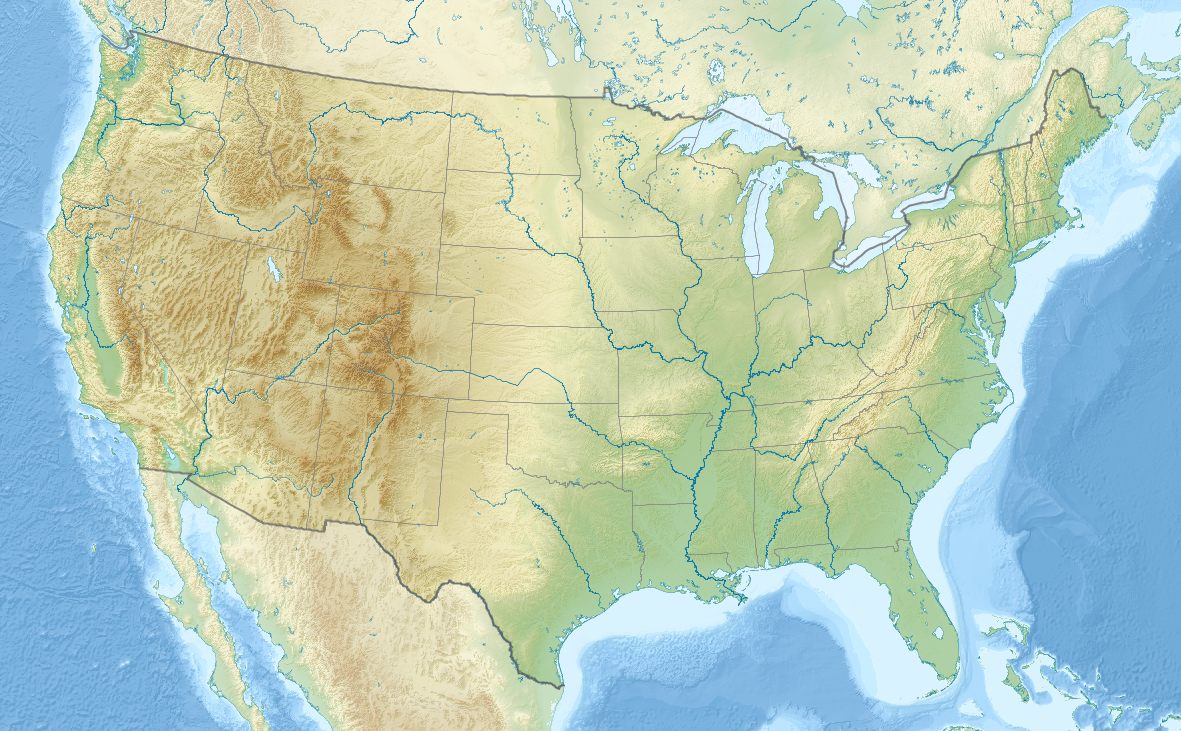
Located at 32.78N, 117.22W on the northern shore of Mission Bay. From the air, the reserve appears as a patch of green-brown wetland vegetation contrasting with the developed shoreline around it. Nearby airports include San Diego International (KSAN) approximately 3 nm southwest. The reserve is part of the larger Mission Bay aquatic park visible at lower altitudes.