Keno Hill: The Richest Silver Mountain That Killed a Territory
The ore at Keno Hill was so pure you could cut it with a knife. When prospectors struck silver here in 1919, they found veins running 10,000 ounces per ton - the richest silver ore ever discovered in North America. The rush was immediate. By 1920, the town of Keno City had hotels, newspapers, and dreams of rivaling Dawson City's gold rush glory. The silver was real. The boom was real. Then the price crashed, and crashed again, and by 1989 the last mine closed. Today Keno City has a population of 20. The mountain still holds silver, but no one's digging. The Yukon's brief dream of mineral wealth beyond gold lies rusting in the sub-arctic silence.
The Discovery
Louis Bouvette found the first silver outcrop on Keno Hill in 1919, twenty years after the Klondike gold rush had made the Yukon famous. The ore was extraordinary - pure enough to ship directly to smelters without concentrating, grading 10,000 ounces of silver per ton when typical commercial deposits run 20-30 ounces. Word spread fast. Within months, claims covered the hillside, and the Yukon had a new rush. This one was different: silver mining required capital, machinery, and infrastructure that gold panning didn't. Companies formed overnight. The town of Keno City rose from nothing.
The Boom
Keno City peaked in the 1920s with a population of 1,500 - tiny by southern standards, enormous for a Yukon mountainside. Hotels, stores, a hospital, and two newspapers served miners who worked claims across Keno Hill and neighboring Galena Hill. The United Keno Hill Mines company consolidated operations, building ore-sorting facilities and a road to Mayo for shipping. Silver poured out of the mountain: between 1919 and 1989, Keno Hill produced 217 million ounces of silver, plus substantial lead and zinc. For a few decades, the Yukon was more than just the place where the gold rush happened.
The Bust
Silver prices collapsed in the 1930s, recovered, and collapsed again. Each crash shuttered operations; each recovery brought miners back, but fewer each time. The Great Depression halved production. Post-war recovery brought brief prosperity. The 1980 silver spike sent prices soaring, then crashing. By 1989, the last mine at Keno Hill closed. The economics were brutal: the silver remained, but extracting it cost more than it was worth. Environmental regulations added costs. The workforce dispersed. Keno City's population dropped from hundreds to dozens. The buildings stood empty, waiting for a price recovery that hasn't come.
The Remains
Keno City today is a ghost town with residents - about 20 people in summer, fewer in winter's eternal darkness. The mining museum occupies a restored building, interpreting the boom for the few tourists who make the journey. Mining artifacts scatter the hillsides: headframes, ore bins, rusting machinery slowly returning to the earth. Tailings piles mark processing sites; some are being remediated, others are waiting. The landscape bears the scars of a century of extraction, beautiful in a post-industrial way. The silver is still down there. Companies occasionally announce exploration plans. Nothing happens.
Visiting Keno Hill
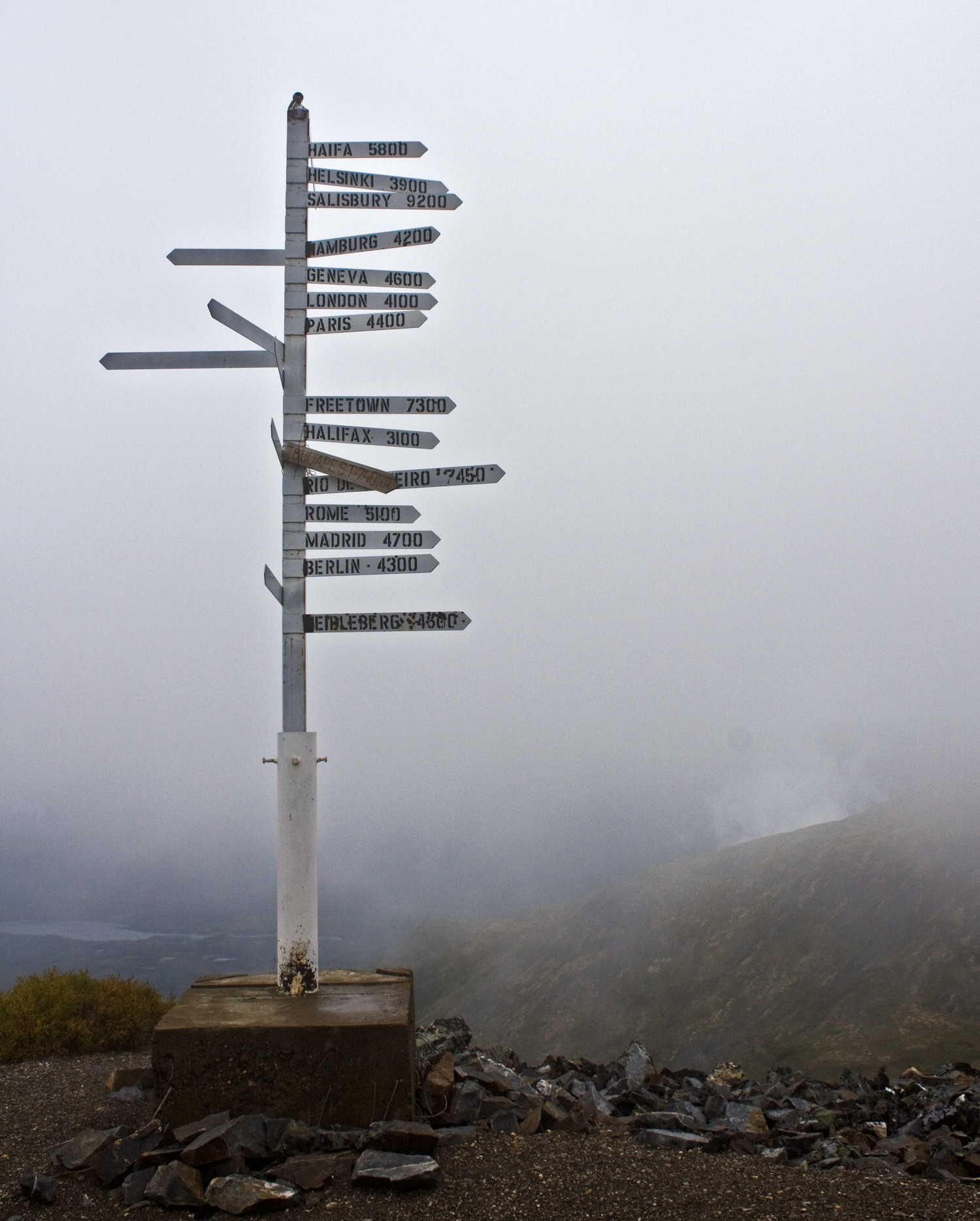
Keno City is located at the end of the Silver Trail (Highway 11), 111 kilometers from Mayo and 465 kilometers from Whitehorse. The road is paved to Mayo, then good gravel to Keno. The Keno City Mining Museum is worth visiting; check hours, as staffing is limited. The Signpost Forest at the town entrance echoes Yukon tradition. Hiking trails explore the alpine above town; the summit of Keno Hill offers views of endless mountains. Accommodations are extremely limited - most visitors day-trip from Mayo or camp. Mayo has basic services; Whitehorse has everything else. Visit in summer; the road is passable in winter but Keno City effectively hibernates. The midnight sun makes July magical.
From the Air
Located at 63.91°N, 135.29°W in central Yukon. From altitude, Keno Hill rises from the Stewart River drainage, surrounded by forested valleys and alpine tundra. The town of Keno City is visible as a small cluster of buildings at the mountain's base. Mining scars mark the hillsides - cleared areas, tailings piles, and the geometric shapes of industrial ruins. The Silver Trail is visible winding through the valley. Mayo appears to the west, larger but still tiny. This is remote sub-arctic wilderness - forest and mountain extending in every direction, human presence limited to the road corridor and mining sites.