Kent
The registration plates give it away: while most English counties are assigned letters based on their names, Kent received 'G' - for Garden of England, not K for Kent. This southeastern corner of the country, closer to France than to most of Britain, has cultivated that identity for centuries. Orchards of apples and plums dot the landscape between picturesque villages; hop gardens once produced the bitter flowers that flavored English beer; and vineyards now cover hillsides whose climate increasingly resembles northern France. Yet Kent's history extends far beyond horticulture: this was the landing point for Roman legions, Viking raiders, and Norman conquerors, and its white chalk cliffs have symbolized England itself to generations of travelers crossing the narrow strait from Calais.
The Gateway Defended
Dover Castle perches on the white cliffs with 2,000 years of fortification history concentrated within its walls: a Roman lighthouse, a Saxon church, a Norman keep, and tunnels from which the Dunkirk evacuation was coordinated in 1940. The white cliffs themselves stretch along the coast, their chalk faces eroding steadily into the Channel, their image evoked in wartime songs and peacetime postcards alike. Here the Battle of Britain was fought overhead in 1940, Spitfires and Hurricanes tangling with Luftwaffe bombers in the skies above Dover. The Eurotunnel now burrows beneath the seabed, emerging near Folkestone, while ferries still shuttle between Dover and the French ports as they have for centuries - though now carrying trucks and tourists rather than pilgrims and invaders.
Canterbury Tales
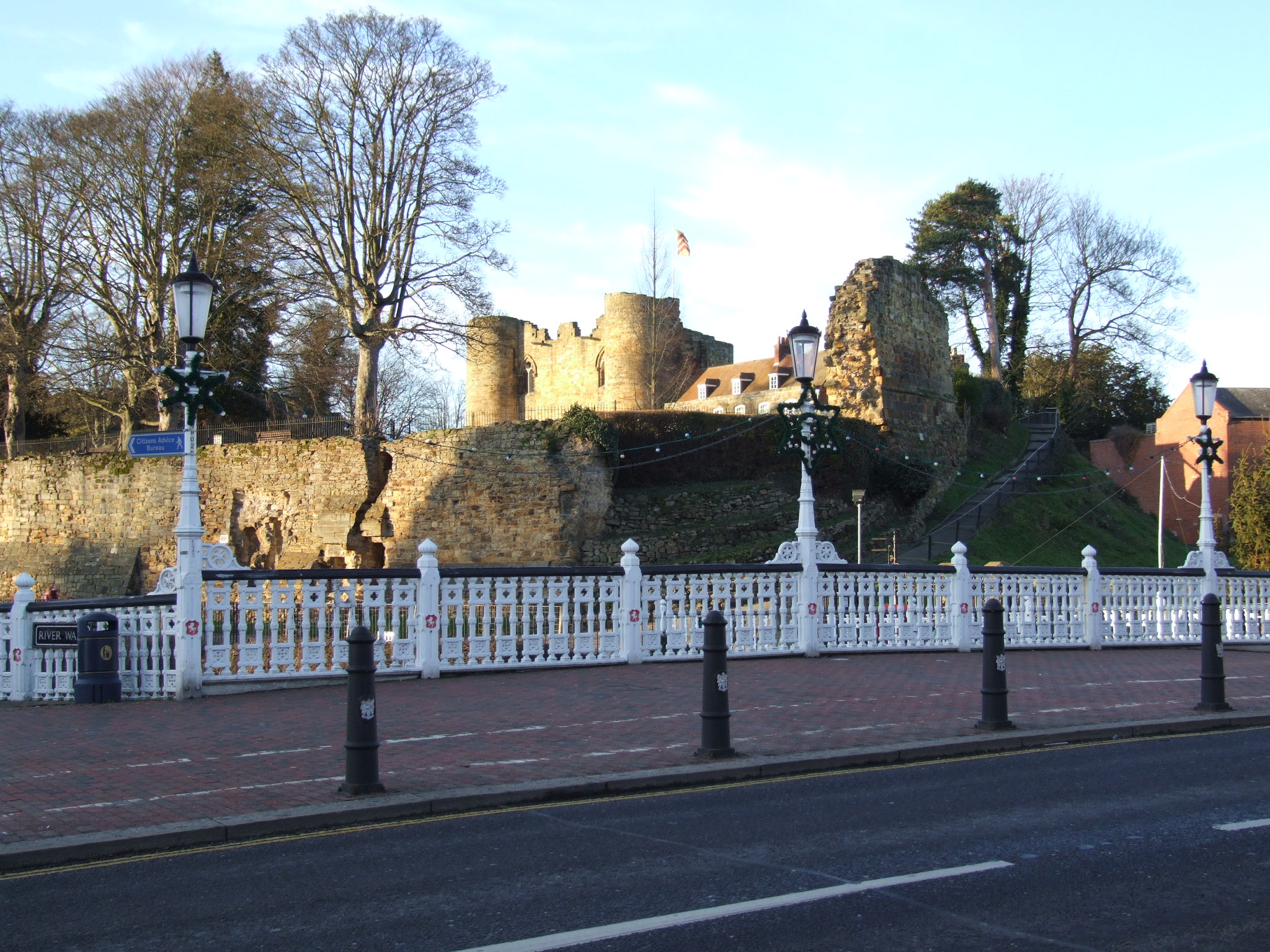
Thomas Becket's murder in Canterbury Cathedral in 1170 created a pilgrimage destination that brought streams of travelers through Kent for centuries, inspiring Chaucer's Canterbury Tales and establishing the pattern of hospitality that still marks the county. The cathedral remains the seat of the Archbishop of Canterbury, head of the worldwide Anglican Communion, its medieval interior a treasure of Gothic architecture and stained glass. A second cathedral at Rochester guards the crossing of the River Medway, while the churches of Kent preserve unexpected treasures: at Tudeley, the windows were designed by Marc Chagall, a startling modernist intervention in an ancient building. The medieval heritage extends to castle after castle: Hever, where Henry VIII courted Anne Boleyn; Leeds, held by six medieval queens; and Scotney, where the ruined tower rises romantically from its moat.
Churchill's View
Winston Churchill chose Kent for his country home, purchasing Chartwell near Westerham in 1922 and returning there whenever politics permitted until his death in 1965. The house, now a National Trust property, preserves his study, his paintings, and the garden walls he built himself as therapy during his 'wilderness years' out of office. Churchill was following a pattern: Kent's proximity to London made it a favored location for the country estates of the powerful, from Knole House with its 1,000-acre deer park to Penshurst Place with its medieval great hall. The hop-pickers who once arrived each September for the harvest came from a different London - the working-class East End, whose families treated the annual migration as a combination of work and holiday.
Orchards and Oast Houses
The distinctive conical roofs of oast houses punctuate the Kent countryside, their kilns once used to dry hops for brewing. Many have been converted to homes now that the hop industry has contracted, but the county's agricultural character persists. The National Fruit Collection at Brogdale Farm near Faversham preserves over 4,000 varieties of apple, pear, plum, and cherry, a genetic bank against the homogenization of commercial agriculture. Kent's vineyards have expanded as climate change pushes wine-growing conditions northward: Chapel Down, Simpsons, and Balfour now produce sparkling wines that rival Champagne in blind tastings. And at Shepherd Neame in Faversham, Britain's oldest brewery continues operations begun in 1698, producing ales that complement the local cheese and the oysters from Whitstable, continuing a tradition of Kent produce that has fed London since Roman times.
From the Air
Located at 51.19N, 0.73E, Kent occupies the southeastern corner of England. London Gatwick (EGKK/LGW) lies just across the county border to the west, while London Ashford Airport (EGMD) at Lydd serves private aviation. High-speed rail connects St Pancras to Ashford in 38 minutes and to Ebbsfleet in 17 minutes, with Eurostar services continuing to Paris and Brussels. The M20 and M2 motorways connect to London and the Channel ports. Dover (ICAO: N/A - ferry port) lies 34 km across the Channel from Calais. The North Downs ridge runs east-west through the county, with the Weald lowlands to the south.