Keweenaw National Historical Park
Seven thousand years. That is how long humans have been pulling copper from the rock of Michigan's Keweenaw Peninsula - from roughly 5000 BCE, when aboriginal miners first chipped native copper from exposed veins, until 1968, when the last commercial mine closed. No other place on Earth has a longer continuous mining history. The Keweenaw holds the most extensive deposits of native copper in the world, occurring in nearly pure form - 97 percent pure - so clean it could be worked into tools, jewelry, and weapons without smelting. Congress established Keweenaw National Historical Park in 1992 not to preserve wilderness but to preserve work: the mines, the company towns, the churches and opera houses and union halls that an industry built and then abandoned.
Copper from the Oldest Lava Flow on Earth
The congressional legislation that created the park opens with a geological fact that reads like science fiction: the oldest and largest lava flow known on Earth is located on the Keweenaw Peninsula. That volcanic activity, over a billion years old, created the only place on the planet where large-scale economically recoverable native copper occurs. The peninsula is also the only site in the country where prehistoric aboriginal mining of copper took place. Artifacts made from Keweenaw copper by these ancient miners were traded as far south as present-day Alabama. During the recorded mining era, from 1840 to 1968, more than 11 billion pounds of copper were extracted. At the peak during World War I, in 1916 and 1917, annual production reached 270 million pounds. The red metal that once wired the world's telegraph lines and electrified its cities came, in extraordinary proportion, from this remote peninsula in Lake Superior.
The Calumet Unit: A Company Town Preserved
The heart of the park is the Calumet Unit, centered on the villages of Calumet and Laurium. These are not ghost towns. People live here, in communities that have survived the 1968 shutdown of their dominant employer, the Calumet and Hecla Mining Company. C&H was the richest of the Keweenaw's copper operations, and the towns built at its mine heads reflect that wealth: a 1,200-seat opera house, massive churches constructed of Lake Superior brownstone, mansions built by mining bosses. The company's main office now serves as the park's headquarters. Its employee library and bathhouse still stand. The Village of Calumet, according to the park's founding legislation, best represents the social, ethnic, and commercial dimensions of copper mining life. Walking its streets is like reading the census of a vanished industrial empire - the Finnish hall, the Croatian church, the Slovenian parish, the Italian hall site where seventy-three people died on Christmas Eve 1913.
Old Reliable and the World's Largest Steam Hoist
The park's Quincy Unit, in Hancock, commemorates one of northern Michigan's most remarkable engineering achievements. The Quincy Mine shaft plunged deep into the earth, following the rich copper rock of the Pewabic Lode. The mine earned the nickname 'Old Reliable' for its record of paying annual dividends for decades - a rare feat in an industry where most ventures lost money. At the surface, a private preservation foundation maintains the Quincy Mine's steam-powered hoist, the largest of its kind in the world. The machine that once hauled men and ore from underground now sits as a monument to the scale of industrial ambition that drove the Copper Country. Tours take visitors underground, into the tunnels where immigrant miners worked by candlelight, extracting the metal that powered the electrical age.
Twenty-Three Heritage Sites
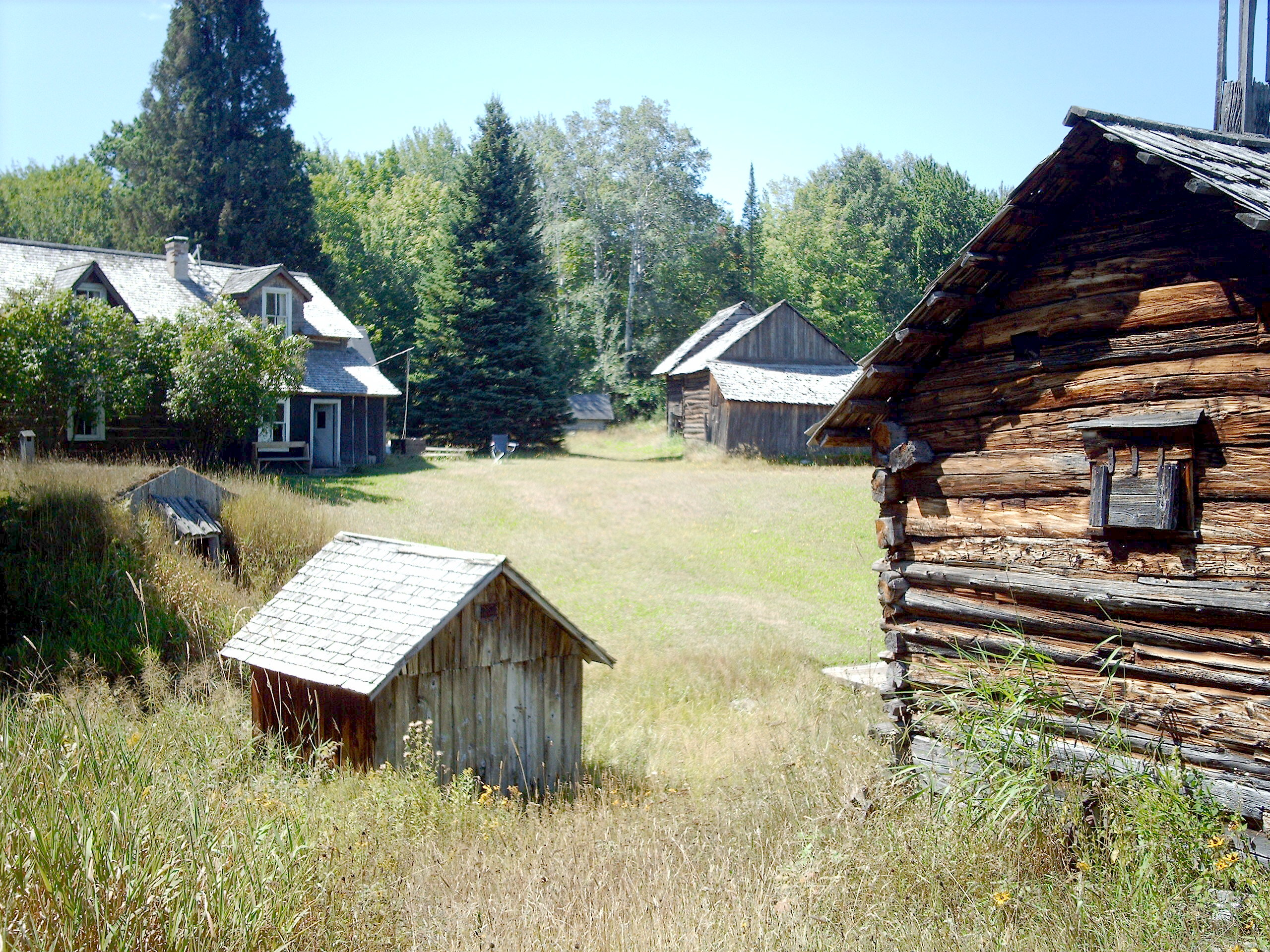
Unlike most national parks, Keweenaw is a federal-local cooperative spread across four counties - Baraga, Houghton, Keweenaw, and Ontonagon - with twenty-three heritage sites on federal, state, and private land. The A.E. Seaman Mineral Museum at Michigan Technological University in Houghton houses a mineral collection dating to the 19th century. The Delaware Copper Mine south of Copper Harbor offers underground tours of its five shafts. The Finnish American Heritage Center holds the largest collection of Finnish-North American materials in the world, with more than 40,000 items documenting the immigrant experience. The Hanka Homestead in Pelkie preserves a Finnish immigrant farm restored to its 1920 appearance. The Upper Peninsula Firefighters Memorial Museum occupies the 1898 Red Jacket Fire Hall in Calumet. Each site tells a piece of the story - geological, industrial, ethnic, cultural - that together explains how a volcanic peninsula in Lake Superior shaped the modern world.
Living History at the Edge of Superior
The Keweenaw Peninsula juts northeast into Lake Superior like a broken finger, surrounded on three sides by the largest freshwater lake by surface area on Earth. From the air, its distinctive shape is unmistakable. The park has no single entrance, no gatehouse, no admission fee for most sites. It exists within and around communities that are still working out their relationship with a past that was both magnificent and brutal. The Calumet Theatre still stages productions. The Keweenaw Heritage Center operates in the old Ste. Anne's church on Red Jacket Road. Heritage sites run on volunteer labor and community pride. The park preserves something rarer than wilderness: the evidence of what happens when an industry rises, consumes a landscape, builds a civilization, and then departs, leaving the buildings and the people to find new reasons to stay.
From the Air
The park spans Michigan's Keweenaw Peninsula in the Upper Peninsula, with two main units. The Calumet Unit is centered at 47.25N, 88.45W near the village of Calumet. The Quincy Unit is at approximately 47.16N, 88.56W near Hancock. The Keweenaw Peninsula is a distinctive geographic feature extending northeast into Lake Superior, easily identifiable from altitude. Nearest airport: Houghton County Memorial Airport (KCMX) between the two units. The Portage Lake Lift Bridge connecting Hancock and Houghton is a prominent visual landmark. The Keweenaw Waterway cuts across the peninsula. Elevation ranges from lake level (602 feet) to approximately 1,200 feet. Heritage sites are scattered across Baraga, Houghton, Keweenaw, and Ontonagon counties.