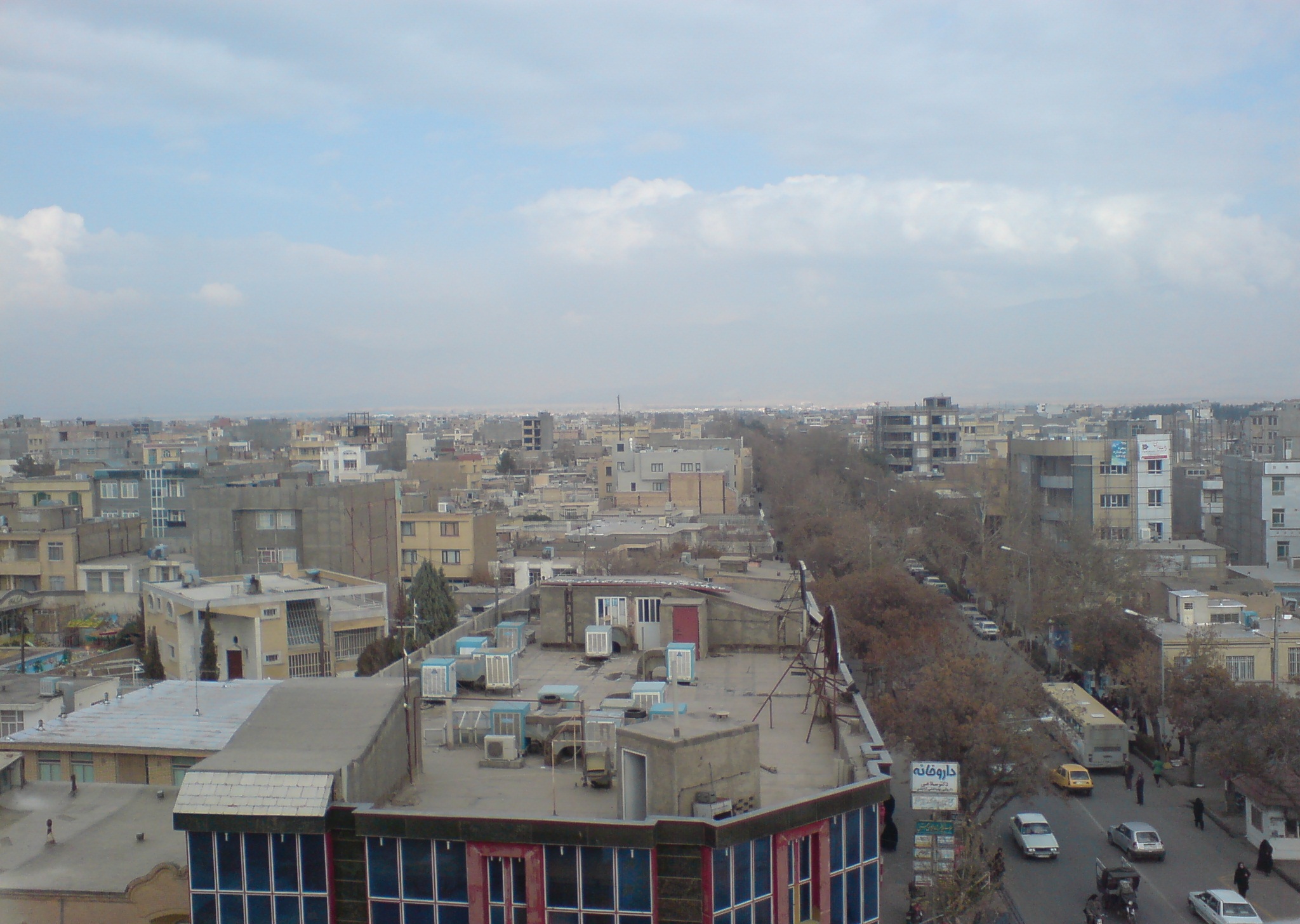
Khorasan: Where the Sun Rises
In Middle Persian, the name says everything: Khorasan means "where the sun arrives from." At the northeastern tip of Iran, this is literally where dawn reaches the country first each morning. But the name carries deeper weight. For centuries, Khorasan was where the light of Persian civilization met the vast steppe lands of Central Asia - where Silk Road caravans crossed between Mashhad and Merv, where Turkmen yurts dotted hillsides just hours from Persian gardens, where the boundaries between Iran, Afghanistan, and Turkmenistan blurred into something richer than any single nation could contain.
A Province Becomes Three
Until 2004, Khorasan was a single enormous province - Iran's largest, stretching from the Turkmen border in the north to the Afghan frontier in the south. Then the government split it into three: North Khorasan, with its capital at Bojnourd; Razavi Khorasan, centered on the holy city of Mashhad; and South Khorasan, governed from Birjand. The division was administrative, but the region's identity remains unified by geography and history. This is Iran's eastern wall - a corridor of mountains, deserts, and irrigated valleys that has channeled trade, migration, and invasion for millennia. The Kopet Dag mountains form the northern border with Turkmenistan. To the south, the landscape dries into the Dasht-e Kavir salt desert. Between them runs the ancient road that Marco Polo traveled and that Silk Road merchants wore into permanence.
The Holy City
Mashhad dominates Khorasan. Iran's second-most-populous city draws millions of Shia pilgrims annually to the shrine of Imam Reza, the eighth Shia Imam, whose tomb gives the city its name - Mashhad means "place of martyrdom." The shrine complex is vast, its golden dome visible from across the city, its courtyards accommodating tens of thousands of worshippers. But Mashhad is more than pilgrimage. It sits on the ancient Silk Road route that once connected it to Merv in the east and to Nishapur, Sabzevar, and the Persian heartland to the west. Consulates of Central Asian nations cluster here, making the city a practical gateway for travelers heading into Turkmenistan or Afghanistan. The sacred and the commercial have coexisted in Mashhad for centuries.
The Crossroads of Peoples
What makes Khorasan distinct from the rest of Iran is its human diversity. Turkmens in the northern reaches live in traditional yurts and herd livestock in patterns unchanged for generations. Afghan and Pashtun communities cluster along the eastern border. Baluchi people inhabit the arid south. Arab communities add another layer. This is not the monolithic Persia of Western imagination but a frontier zone where ethnicities intermingle and where cultural boundaries shift village by village. Walk through a Khorasani market and you hear Turkmen, Dari, Baluchi, and Arabic alongside Farsi. The carpets change pattern as you move from town to town, each community's weaving traditions telling a story of origin and identity.
Gardens in the Desert
Khorasan's landscape is harsh - desert, mountain, and steppe dominate. Yet where water reaches the surface, gardens appear with the sudden intensity that only arid climates produce. The Akbarieh Gardens in South Khorasan province are one of nine Persian gardens inscribed as a UNESCO World Heritage Site, their formal geometry a deliberate counterpoint to the wilderness beyond their walls. The contrast defines Khorasani civilization: order wrested from aridity, beauty cultivated where nature offers little. Ancient irrigation channels, some dating to the Achaemenid period, still feed orchards and farmland. Saffron grows here - the world's most expensive spice, harvested by hand from purple crocus flowers each autumn. The desert yields treasures to those who know where to look.
Gateway East
For travelers moving overland from Europe to Asia, Khorasan remains what it has been for two thousand years: a gateway. The region's transportation links connect Iran to western Afghanistan and Turkmenistan. Mashhad's Hasheminejad Airport and Birjand International Airport serve as entry points. But the deeper experience is the landscape itself - the sense of crossing a threshold between the Persian world and something different. The yurts appear. The architecture shifts. The languages multiply. Khorasan is where familiar Iran gives way to Central Asia, and the transition is gradual enough to savor. The sun still rises here first.
From the Air
Centered approximately at 36.00°N, 62.00°E in northeastern Iran, near the intersection of Iran, Turkmenistan, and Afghanistan. The region spans hundreds of kilometers from the Kopet Dag mountains in the north to the desert frontiers in the south. From altitude, the landscape transitions from irrigated green valleys around Mashhad to brown desert and mountain terrain. Key airports include Mashhad Hasheminejad International Airport (MHD) and Birjand International Airport (XBJ). The Turkmen border is visible to the north, with the Karakum Desert beyond. The region sits along the historic Silk Road corridor linking Iran to Central Asia.