Kigali
The first thing you notice about Kigali is how clean it is. On the last Saturday of every month, the entire city participates in umuganda -- a national community service day where residents sweep streets, clear drains, and maintain public spaces. It is a small detail that reveals something larger: this is a capital that has willed itself into order. Three decades after the genocide that killed an estimated 800,000 people in one hundred days, Kigali has become one of the most orderly, ambitious, and forward-looking cities in Africa. With over a million residents spread across a landscape of steep hills and lush valleys, it defies nearly every stereotype outsiders carry about the continent.
A City Built on Hills
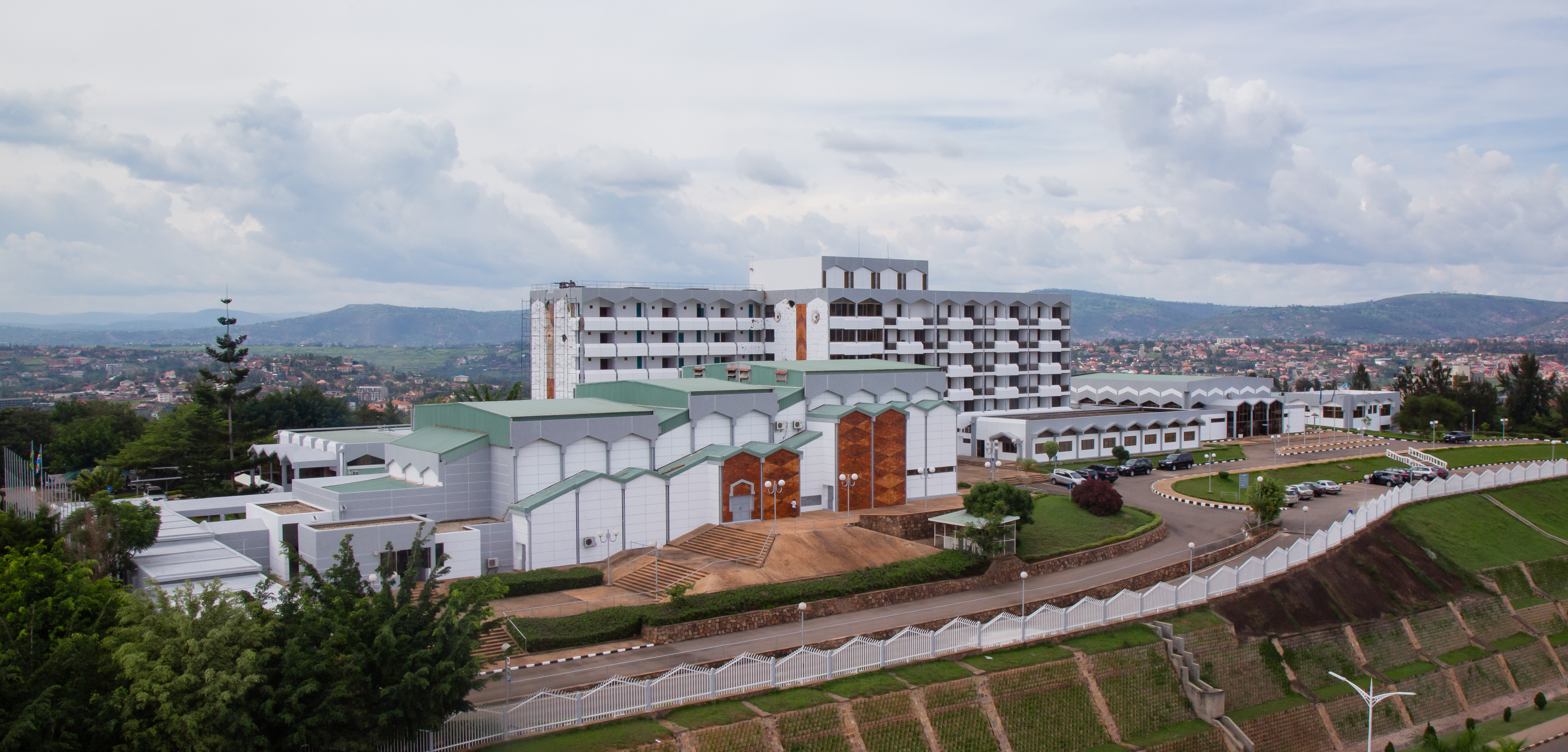
Kigali occupies some of the most dramatic urban terrain in East Africa. The city sprawls across multiple ridgelines, each neighborhood perched on its own hill with valleys dropping away between them. The better hotels and restaurants have migrated to the heights, where panoramic views stretch across the capital. Downtown Kigali sits in the lower ground, its markets and bus stations buzzing with the density of a traditional African commercial center. The Kigali City Masterplan envisions an entirely new urban district south of the current center -- a bold bet on continued growth. Three languages jostle for space in daily conversation: Kinyarwanda, English, and French, with Swahili increasingly common as Rwanda deepens its ties with the East African Community.
Between Memory and Ambition
No account of Kigali can avoid the genocide. In April 1994, systematic killing swept through these hills. The Kigali Genocide Memorial in Gisozi holds the remains of over 250,000 people, and smaller memorial sites are scattered throughout the city. Photos of victims line the memorial's walls -- not as abstractions, but as individuals with names and lives. Yet Kigali has chosen to define itself by what it is building, not only by what it endured. The city has attracted international investment, technology companies, and a growing conference tourism industry. The Kigali Convention Centre, with its distinctive dome, has hosted the African Union and the Commonwealth Heads of Government Meeting. Reconciliation here is not a slogan. It is a daily practice, carried out in community courts, shared workplaces, and the quiet discipline of a country determined to prove that renewal is possible.
The Rhythms of the Table
Kigali's culinary scene reflects its cosmopolitan ambitions and its East African roots in equal measure. Belgian colonial influence lingers in the European-style cafes and patisseries, while local restaurants serve brochettes -- grilled meat skewers -- alongside isombe, a rich dish of mashed cassava leaves, and plates of freshwater tilapia from the country's lakes. Rwandan coffee has become a serious export, and Kigali's growing cafe culture serves some of the best cups in the region. Dining here requires patience -- meals routinely take 45 minutes to an hour to arrive, especially at dinner -- but the quality rewards the wait. For something faster, African buffet restaurants let you pile a plate high with stewed beans, plantains, and grilled meats and be on your way in half an hour.
Getting Around the Hills
The motorcycle taxi -- the moto -- is Kigali's signature mode of transport. For a few hundred Rwandan francs, a helmeted driver will weave you through traffic and up the city's steep gradients at speeds that feel exhilarating on a sealed road and terrifying on a dirt one. Minibuses, locally called matatus, cover major routes cheaply and are among the best-maintained in East Africa. An organized city bus network offers routes for as little as 110 Rwandan francs. Volkswagen's Move rideshare service provides a more controlled alternative, with sedans and vans available by app. Kigali International Airport handles regional flights to Nairobi, Kampala, and beyond, while a new international airport at Bugesera, 20 kilometers to the south, is under construction with an expected opening around 2028.
The Hills Beyond
Kigali serves as the gateway to Rwanda's extraordinary natural heritage. Volcanoes National Park, home to the mountain gorillas that Dian Fossey studied and made famous in Gorillas in the Mist, is reachable as a day trip from the capital. Tracking permits are expensive -- around $1,500 -- but the experience of sitting among a gorilla family in the bamboo forests of the Virunga Mountains is widely considered one of the most profound wildlife encounters on Earth. Akagera National Park, to the east, offers a more traditional safari experience with lions, elephants, and giraffes across savanna and wetland habitats. Rwanda markets itself as the "land of a thousand hills," and from Kigali's ridgelines the name makes perfect sense: green slopes cascade toward the horizon in every direction, suggesting a country of almost limitless vertical depth.
From the Air
Located at 1.95S, 30.11E in the geographic heart of Rwanda. Kigali spreads across multiple prominent hills, clearly visible from altitude as an urban area set within intensely green, terraced countryside. Kigali International Airport (HRYR) is on the eastern edge of the city at approximately 4,895 feet elevation. The new Bugesera International Airport (under construction, ~20 km south) will eventually serve as the primary gateway. Best viewed at 5,000-8,000 feet AGL where the city's unique multi-hill topography is most apparent. Volcanoes National Park and the Virunga Mountains are visible to the northwest on clear days.