Kilimanjaro: The Snows That Hemingway Wrote About Are Disappearing
When Ernest Hemingway titled his 1936 story 'The Snows of Kilimanjaro,' the glaciers on Africa's highest peak had existed for 11,700 years. Today, 80% of those glaciers are gone. What remains is expected to disappear by 2040. Kilimanjaro is a monument to what climate change is taking from us - not just ice, but the image of Africa that generations grew up with: the snow-capped mountain rising impossibly from tropical plains, visible from 200 miles away, a natural wonder that seemed eternal. The snows of Kilimanjaro are melting in real time.
The Glaciers
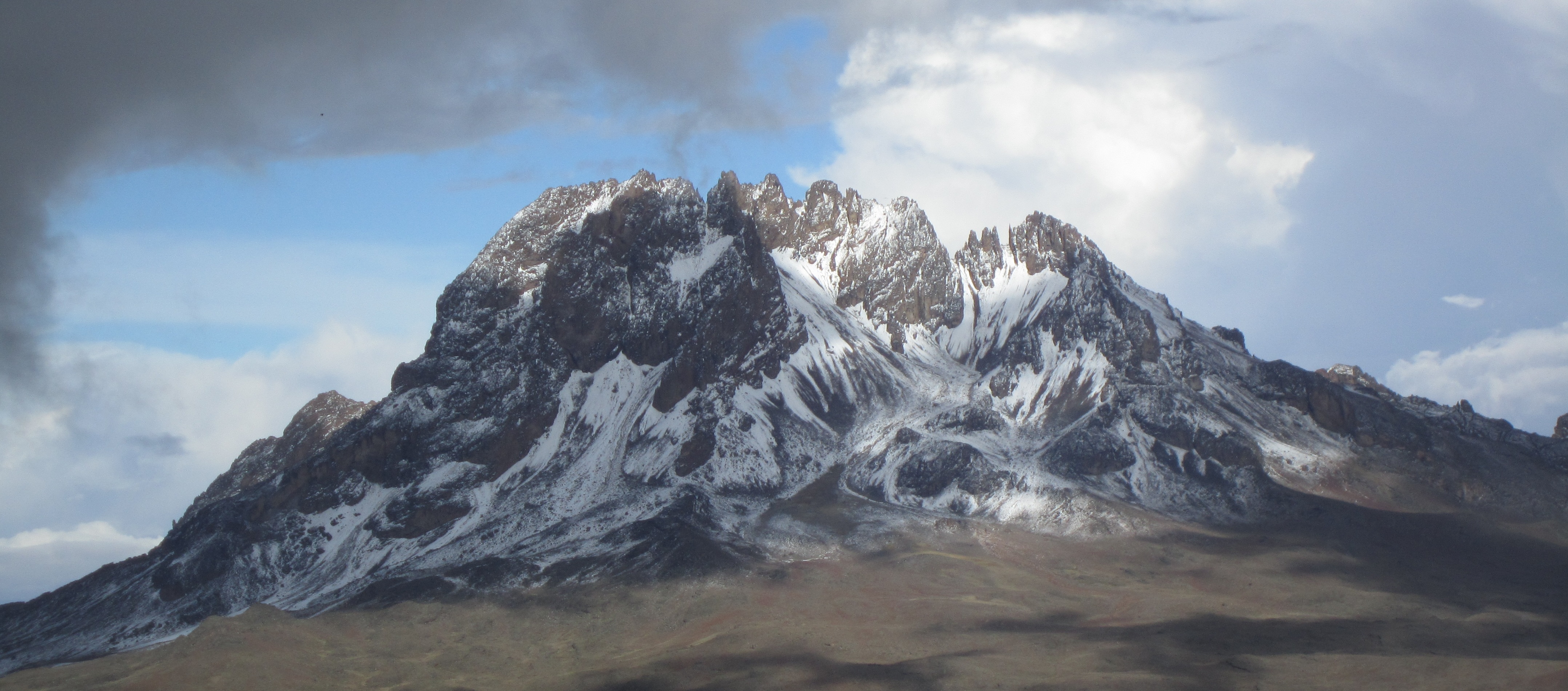
Kilimanjaro is actually three volcanic cones: Kibo (the highest, with the glaciers), Mawenzi, and Shira. Kibo's Uhuru Peak reaches 19,341 feet - the highest point in Africa and the tallest free-standing mountain in the world (measured from base to summit, not from sea level).
The mountain rises abruptly from savanna at 3,000 feet to glaciated summit. Climbers pass through five distinct climate zones in a few days: cultivated farmland, rainforest, heath, alpine desert, and arctic summit. The transition is dramatic - tropical heat below, freezing winds above, all visible in a single view.
The Glaciers
In 1912, when the glaciers were first mapped, they covered 12 square kilometers. Today, less than 2 square kilometers remain - an 80% reduction in a century. The ice that survived 11,700 years of climate fluctuations is melting in a human lifetime.
The cause is debated. Climate change is raising temperatures, but decreased precipitation may be equally important - less snowfall means less ice accumulation. Whatever the cause, the trend is clear and accelerating. Scientists predict the remaining glaciers will be gone by 2030-2040. The snows of Kilimanjaro will become the bare rock of Kilimanjaro.
The Climb
Approximately 50,000 people attempt to climb Kilimanjaro annually, making it the world's most climbed high mountain. No technical skills are required - the routes are hiking paths, not mountaineering routes. But altitude sickness claims many climbers. Success rates range from 45% to 85% depending on the route and acclimatization time.
The most popular routes take 5-9 days. Climbers sleep in huts or tents at progressively higher camps. Summit attempts begin around midnight to reach Uhuru Peak at sunrise. Those who make it stand on the roof of Africa, glaciers glinting in the dawn light - for now.
The Literature
Hemingway's 1936 short story 'The Snows of Kilimanjaro' made the mountain a literary symbol of beauty and death. His epigraph mentions a frozen leopard found near the summit - its meaning unexplained, mysterious, perfect. The story cemented Kilimanjaro's place in Western imagination.
In 2006, Al Gore featured the shrinking glaciers in 'An Inconvenient Truth,' making Kilimanjaro a symbol of climate change. The mountain that Hemingway used as a metaphor became a literal warning. The snows he wrote about are the snows we're losing.
The Future
What happens when the glaciers are gone? Kilimanjaro will still be Africa's highest peak. Climbers will still summit. The mountain will still rise majestically from the plains. But something will be missing - the white crown that made Kilimanjaro unique, the snow in tropical Africa that seemed to defy nature.
Scientists are documenting what remains: ice cores that record 11,700 years of climate history, photographs that will become historical records, measurements that track the retreat. The snows of Kilimanjaro will exist in archives and memories. The mountain will endure. What made it iconic will not.
From the Air
Mount Kilimanjaro (3.07S, 37.36E) rises in northeastern Tanzania near the Kenya border. Kilimanjaro International Airport (HTKJ) is 50km southwest. From the air, the mountain is unmistakable - a massive dome rising from flat plains, often with a cloud collar around its middle and (for now) white glaciers at the summit. The savanna stretches to the horizon. Weather varies dramatically with altitude - tropical at base, arctic at summit.