Kilwa Kisiwani
In 1331, the Moroccan traveler Ibn Battuta arrived at Kilwa Kisiwani and declared it one of the most beautiful cities in the world. He was not easily impressed. By that point, Battuta had already visited Constantinople, Delhi, and the cities of the Maghreb. Yet this island off the southern Tanzanian coast -- nine degrees south of the equator, reachable only by small boat from the mainland town of Kilwa Masoko -- stopped him cold. The coral-stone palaces, the great domed mosque, the merchants dealing in gold and Chinese porcelain: Kilwa was the capital of an empire that stretched the length of East Africa, and it looked the part.
An Island Bought with Cloth
The founding legend of Kilwa reads like a fable. In the 10th or 11th century, Ali ibn al-Hassan Shirazi, a Persian prince driven from his inheritance by his brothers, sailed from Hormuz down the East African coast. After wearing out his welcome in Mogadishu, he arrived at an island connected to the mainland by a tidal land bridge. The local Bantu king agreed to sell it for as much colored cloth as could ring the island's circumference. When the king changed his mind, the Persians had already dug up the land bridge. Kilwa was now an island, and it was theirs. Whatever the literal truth, Carbon-14 dating confirms the site was inhabited from at least the 9th century CE, and a 2023 genetic study found significant Iranian-origin ancestry in medieval Swahili Coast DNA, lending weight to the Persian-admixture tradition.
Gold, Porcelain, and Coconut Coir
Kilwa's fortune was geography. Positioned to catch the seasonal monsoon winds, its merchants sailed to India in summer and returned in winter, trading gold and ivory from the African interior for cloth, spices, and ceramics from Arabia, Persia, and China. By the 13th century, Kilwa had wrested control of Sofala -- the principal port for gold from Great Zimbabwe -- and the revenues transformed the island. The wealthy built stone houses with indoor plumbing; the sultan commissioned Husuni Kubwa, a palace of over one hundred rooms with an octagonal swimming pool. Chinese celadon and blue-and-white porcelain, displayed in wall niches as symbols of status, have been excavated throughout the site. From approximately 1100 to 1500 CE, Kilwa minted its own copper coins. They have turned up as far away as Australia's Wessel Islands.
Coral Stone and Monsoon Architecture
Everything on Kilwa was built from the sea. Walls rose from squared and coursed coral limestone, mortared with mud and lime. The Great Mosque, founded as early as the 10th century, grew through two major construction phases: a northern prayer hall from the 11th or 12th century, its flat roof supported by nine columns originally carved from coral, and a grand southern extension added under Sultan al-Hasan ibn Sulaiman in the early 14th century. That extension included the great dome Battuta described. Husuni Kubwa perched on a bluff overlooking the Indian Ocean, its rooms three meters tall with white plaster floors and roofs of cut limestone laid across timber. Causeways of reef and coral blocks formed breakwaters at the harbor entrance, sheltering the mangroves that still mark the shoreline. Even the merchant dhows were built from coconut palm trunks, their sails woven from coconut leaf matting, their hulls stitched together with coconut coir.
Portuguese Cannon, Omani Conquest, and Silence
The arrival of the Portuguese dismantled the trading network that sustained Kilwa. Vasco da Gama extracted tribute in 1502. In 1505, Francisco de Almeida landed 500 soldiers and took the island, erecting Fort Santiago and installing a puppet sultan. Portuguese mercantilist laws forbade non-Portuguese ships from trading at major ports, strangling the Kilwan merchant class. Chaos followed: assassinations, street fighting, refugees streaming off the island. Portuguese control lasted barely a decade before Arab forces recaptured the city, but the old prosperity never fully returned. In 1784, the Omani rulers of Zanzibar conquered Kilwa, and the French built a fort at the northern tip. By the 1840s, the city was abandoned. It passed through German colonial hands before becoming part of independent Tanzania.
A Living Island Among Ruins
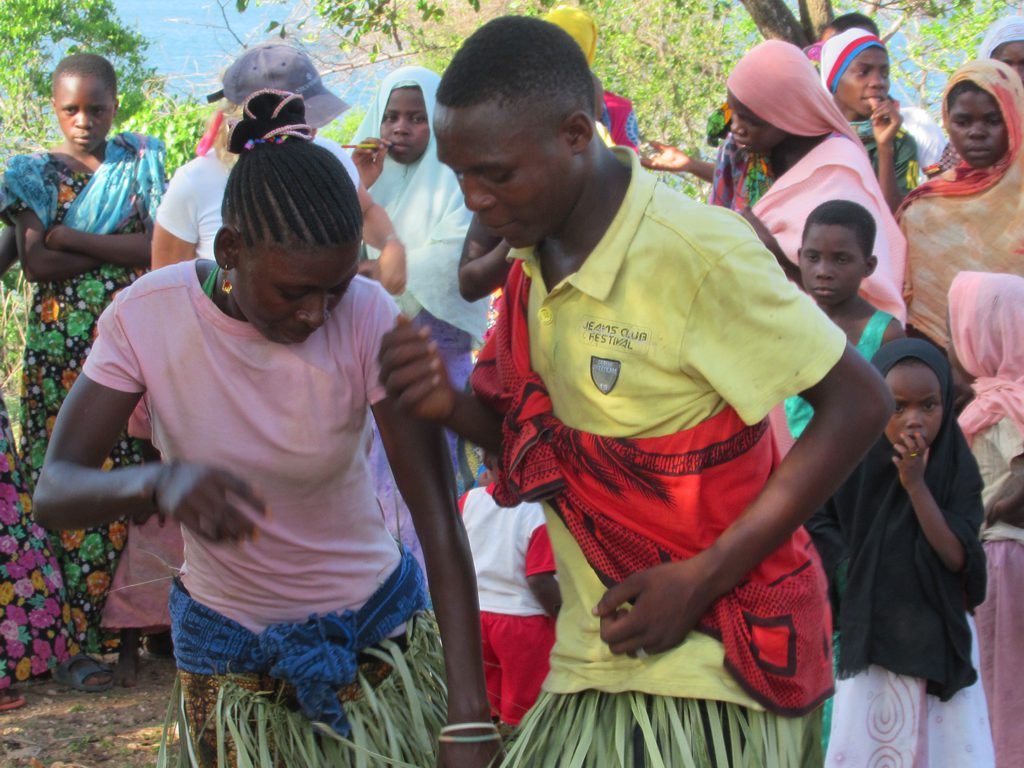
Today, roughly 1,150 people live on Kilwa Kisiwani, making it the least populated hamlet in Kilwa Masoko township. There are no roads -- only footpaths and the occasional motorcycle. Electricity comes from a small solar installation. Freshwater comes from wells that have been in use for over a millennium. Visitors need a permit from the tourist information center on the mainland. UNESCO designated the island a World Heritage Site in 1981, alongside the nearby ruins of Songo Mnara, and the World Monuments Fund placed it on its 2008 Watch List before supporting conservation work that led to its removal in 2014. Much of the site remains unexcavated. Beneath the coral rubble and mangrove roots, the outlines of a city that once rivaled any port in the Indian Ocean world wait for the archaeologist's brush.
From the Air
Located at 8.98S, 39.52E on a small island off the southern Tanzanian coast. Best viewed from 2,000-3,000 feet AGL approaching from the east over the Indian Ocean, where the island's outline and coral-stone ruins are visible against the turquoise shallows. The Mavuji River estuary lies to the west, and the mainland town of Kilwa Masoko is a short boat ride away. Nearest significant airfield: Kilwa Masoko Airport (HTKI). The nearby island of Songo Mnara with its own UNESCO ruins is visible to the south.