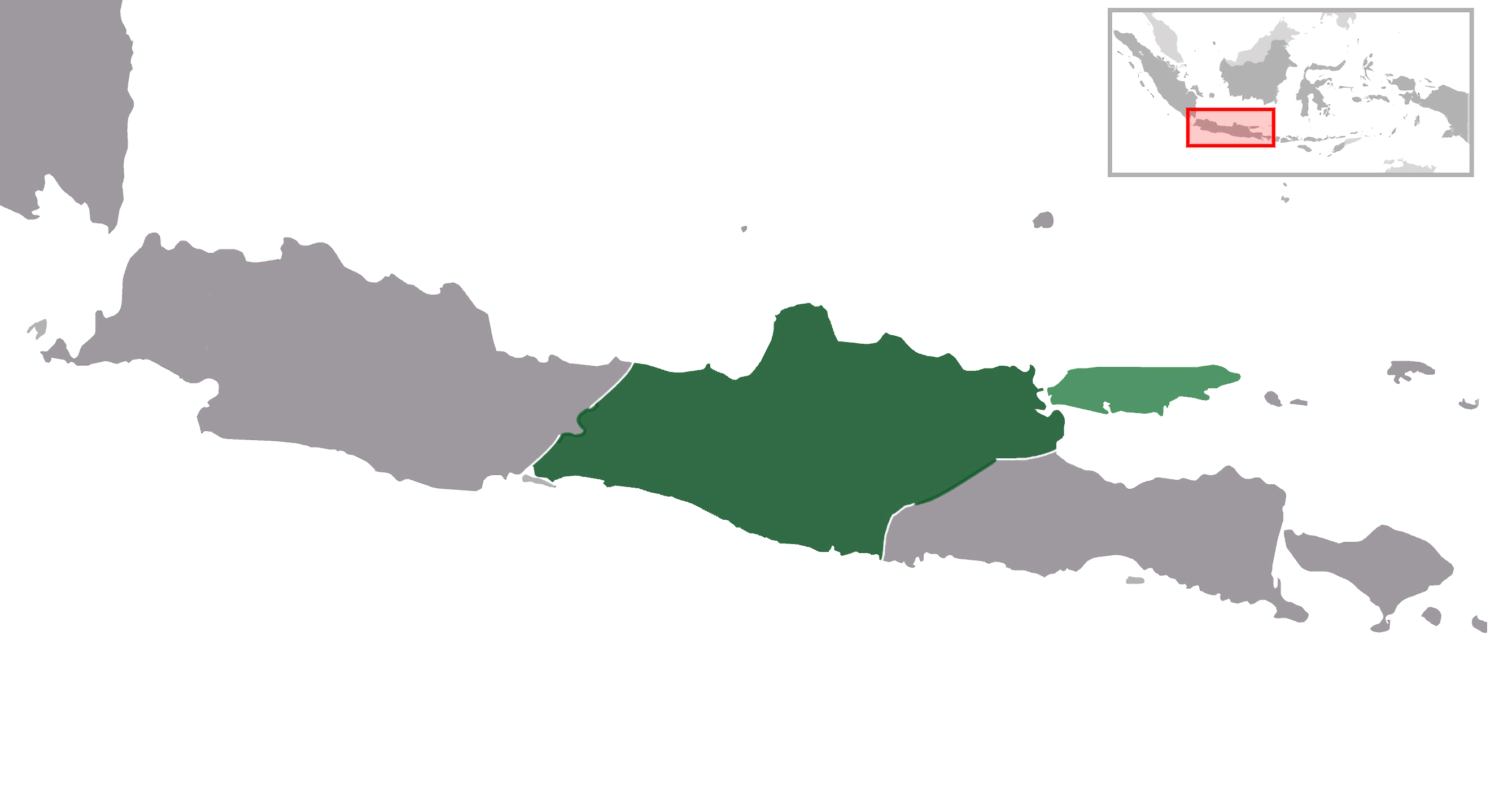
Kingdom of Pajang
Eighteen years. That is how long the Kingdom of Pajang lasted -- from 1568 to 1586 -- before a childhood friendship rewrote the political map of Java. In that brief window, a warrior named Jaka Tingkir seized power from a murdered sultan, built a court on the border of what is now Surakarta and Kartasura, and inadvertently planted the seeds of his own kingdom's destruction by adopting the son of his most capable general. The palace foundations still mark the ground between Surakarta and Sukoharjo, barely visible traces of a state that connected the collapse of Demak to the founding of Mataram.
Blood Claims and Borrowed Thrones
Jaka Tingkir's path to kingship ran through other people's bloodlines. He claimed descent from Brawijaya V, the last king of the Majapahit empire, and from Trenggana, the sultan of Demak -- a dual lineage that linked him to both the Hindu-Buddhist past and the Islamic present of Java. His father, Ki Ageng Pengging, had been executed for alleged rebellion against the Demak Sultanate, leaving the young Jaka Tingkir orphaned but driven. Rather than seek revenge, he served Demak so brilliantly as a military commander that Sultan Trenggana gave him a daughter in marriage and appointed him regent of Pajang with the title Adiwijaya. The territory he governed stretched across the Pengging area, roughly covering modern Boyolali and Klaten, the Tingkir region around Salatiga, and the district of Butuh.
The Vicious Cousin
Sultan Trenggana's death in 1546 triggered the chaos that made Pajang possible. Trenggana's son, Sultan Prawata, took the throne but held it for barely a year before his cousin Arya Penangsang, the regent of Jipang, murdered him in 1547. Arya Penangsang then turned his ambitions toward Adiwijaya, attempting to kill him as well. He failed. With the backing of Ratu Kalinyamat -- the regent of Jepara and a daughter of Trenggana -- Adiwijaya assembled a coalition and crushed Arya Penangsang's forces. For the final campaign, Adiwijaya entrusted the decisive blow to his most trusted vassal, Ki Ageng Pamanahan, and Pamanahan's son Sutawijaya. The two warriors defeated and killed Arya Penangsang, ending the last serious claim to the Demak throne and clearing the way for Adiwijaya to found his own kingdom.
The Reward That Built an Empire
Gratitude can be a dangerous thing for kings. As payment for destroying Arya Penangsang, Adiwijaya granted Ki Ageng Pamanahan a fief in a forest called Alas Mentaok, now the district of Kotagede near Yogyakarta. It seemed like a modest reward -- a patch of wilderness far from the center of power. But Pamanahan and his son Sutawijaya transformed that forest into a base of operations, building what would become the capital of a dynasty. Adiwijaya compounded his miscalculation by growing so fond of the young Sutawijaya that he adopted him as a companion for his own heir, the reportedly weak-minded Prince Banawa. The king had placed his future rival inside the palace walls and handed him the resources to build an alternative power center outside them.
A Crown Surrendered
The end came not from foreign invasion but from the kingdom's own internal architecture. When a vassal named Ario Pangiri rebelled, Prince Banawa lacked the strength or the will to suppress the revolt himself. He turned to the one person who could help: his childhood friend Sutawijaya. True to their bond, Sutawijaya gathered his army, defeated Ario Pangiri, and marched into the Pajang Palace. But power, once wielded, is difficult to hand back. Prince Banawa submitted his crown to Sutawijaya, and in 1586 the Kingdom of Pajang ceased to exist. In its place, Sutawijaya founded the Mataram Sultanate, which would become the largest and most powerful Islamic kingdom Java had ever known. Pajang's legacy was paradoxical: it existed just long enough to produce the conditions for something far greater than itself.
Roots Older Than the Kingdom
The name Pajang predates the sultanate by centuries. The Nagarakretagama, a Javanese court poem written in 1365, records that Dyah Nertaja -- the younger sister of Majapahit king Hayam Wuruk -- ruled the Pajang territory with the title Bhre Pajang. She was the mother of Wikramawardhana, heir to the Majapahit throne. Javanese babad chronicles trace the region's history even further back, linking it to the legendary kingdom of Pengging and to the origin story of Prambanan Temple. These deep roots mattered in a political culture where legitimacy flowed from ancestry. When Jaka Tingkir chose Pajang as his capital, he was not simply picking a convenient location on the Central Java plain. He was claiming a place already layered with royal associations, a territory whose very name carried the weight of centuries.
From the Air
The former Kingdom of Pajang was centered at approximately 7.574S, 110.786E, on the border between modern Surakarta (Solo) and Kartasura in Central Java. Only foundation remnants of the palace survive, difficult to spot from the air amid the urban sprawl. The nearest major airport is Adisumarmo International Airport (ICAO: WARQ), about 8 km to the north. From altitude, the broad Central Java plain stretches in all directions, with the volcanic peaks of Mount Merapi and Mount Merbabu visible to the northwest on clear days. The Bengawan Solo river curves through the landscape to the east.