Klondike Gold Rush Sites
On July 17, 1897, the steamship Portland arrived in Seattle carrying 68 miners and what newspapers called 'a ton of gold' from the Klondike region of Canada's Yukon Territory. The news triggered the last great gold rush in North American history. Over the following year, approximately 100,000 prospectors set out for the goldfields. Perhaps 30,000 actually reached Dawson City, the boomtown at the confluence of the Klondike and Yukon Rivers. Most found nothing - the best claims had been staked before word even reached the outside world. But the images of the Klondike became iconic: men climbing the snow-covered Chilkoot Pass in an endless line, each carrying the year's worth of supplies the Canadian government required. The rush made Seattle wealthy, created Dawson City overnight, and produced some of the most memorable photographs in frontier history.
The Discovery
Gold was found in Rabbit Creek (renamed Bonanza Creek) in August 1896 by Skookum Jim Mason, Dawson Charlie, and George Carmack. Within weeks, prospectors already in the Yukon had staked claims along Bonanza and nearby Eldorado creeks. The richest claims produced gold measured in pans worth hundreds of dollars - a fortune when coffee cost a nickel. But the Klondike was isolated; news didn't reach the outside world until the following summer, when ships carrying newly rich miners arrived in San Francisco and Seattle. The stampede that followed would be the most photographed and documented gold rush in history, captured by journalists, photographers, and participants who understood they were living through something remarkable.
The Trail
Getting to the Klondike meant crossing some of the most difficult terrain in North America. The most famous route began in Skagway, Alaska, and climbed over the Chilkoot Pass - a 3,500-foot climb with a final section so steep that steps had to be cut into the ice. Canadian authorities required each prospector to carry a year's worth of supplies (about 2,000 pounds), forcing multiple trips up the 'Golden Stairs.' The famous photographs show a continuous line of men climbing through snow and fog, bent under their loads. At the summit, North-West Mounted Police checked supplies and collected customs duties. From there, stampeders built boats to float down the Yukon River to Dawson City - a journey fraught with rapids that killed many who had survived the pass.
Dawson City
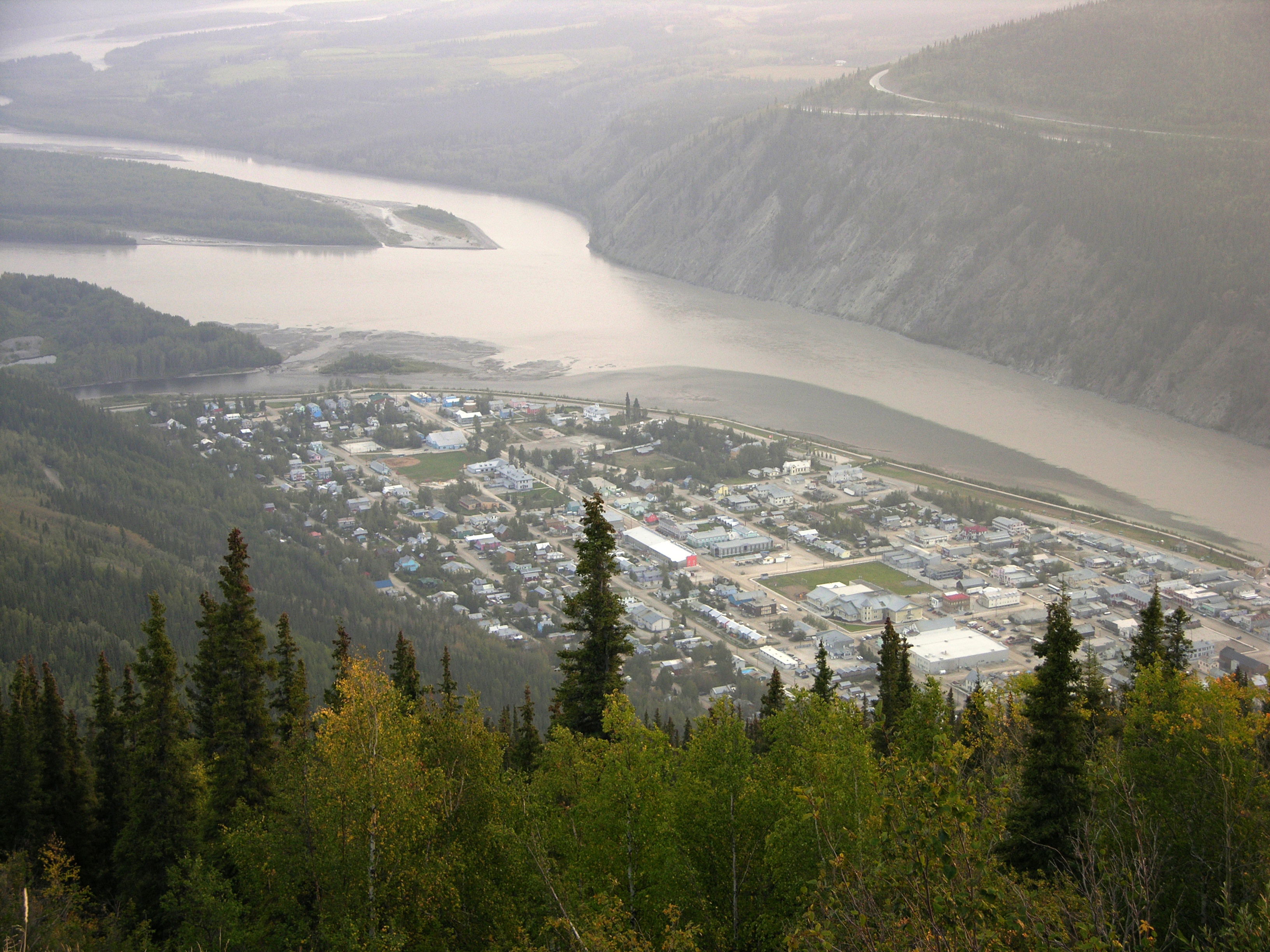
Dawson City exploded from nothing to the largest Canadian city west of Winnipeg in under two years. At its peak in 1898, perhaps 30,000 people crowded into a town of hastily built hotels, saloons, dance halls, and supply stores. Prices were astronomical: eggs cost a dollar each; a single newspaper sold for a dollar. The town had electricity before most of Canada but no sewage system. Typhoid was epidemic. Fires repeatedly devastated wooden buildings. And most who arrived found all the good claims taken. The lucky ones worked for wages on others' claims or found service jobs in town. Many turned around and went home. By 1899, gold had been discovered in Nome, Alaska, and Dawson's population crashed.
The Legacy
The Klondike gold rush enriched a few, ruined many, and transformed the regions it touched. Seattle became the 'Gateway to the Klondike,' establishing itself as the Pacific Northwest's dominant city. Skagway grew from nothing to Alaska's largest town before collapsing after the rush. Dawson City survived as a Yukon government center and tourist destination. The rush also produced literature: Jack London's novels, Robert Service's poems ('The Shooting of Dan McGrew,' 'The Cremation of Sam McGee'), and countless memoirs. The images of the Chilkoot Pass became symbols of the era's frontier spirit - and its desperation. In 1898, approximately 100,000 people left everything for the chance at gold. Perhaps 4,000 found any. Around 300 became rich.
Visiting the Sites
The Klondike Gold Rush is preserved at multiple sites. In Seattle, the Klondike Gold Rush National Historical Park's Seattle Unit occupies the Pioneer Square district where prospectors outfitted themselves. In Skagway, Alaska, the park's Alaska Unit preserves the boomtown at the foot of the Chilkoot Trail - historic buildings, a visitor center, and access to the trail itself. The Chilkoot Trail is a 33-mile backcountry hike through Klondike Gold Rush International Historical Park (shared with Canada), following the stampeders' route over the pass. In Dawson City, Yukon, preserved buildings and active gold claims evoke the rush's peak years; Parks Canada operates interpretive sites. Getting there requires effort: Skagway is accessible by ferry or cruise ship; Dawson City by road or small plane. The distance and difficulty are part of the point - understanding what the stampeders endured.
From the Air
The Klondike Gold Rush spanned multiple sites: Skagway, Alaska (59.46°N, 135.31°W), at the base of the Chilkoot Trail; the Chilkoot Pass (59.67°N, 135.26°W), crossing from Alaska into British Columbia; and Dawson City, Yukon (64.06°N, 139.43°W), where the Klondike meets the Yukon River. From altitude, the Chilkoot Trail is visible as a gap in the coastal mountains; Dawson City appears at the river confluence.