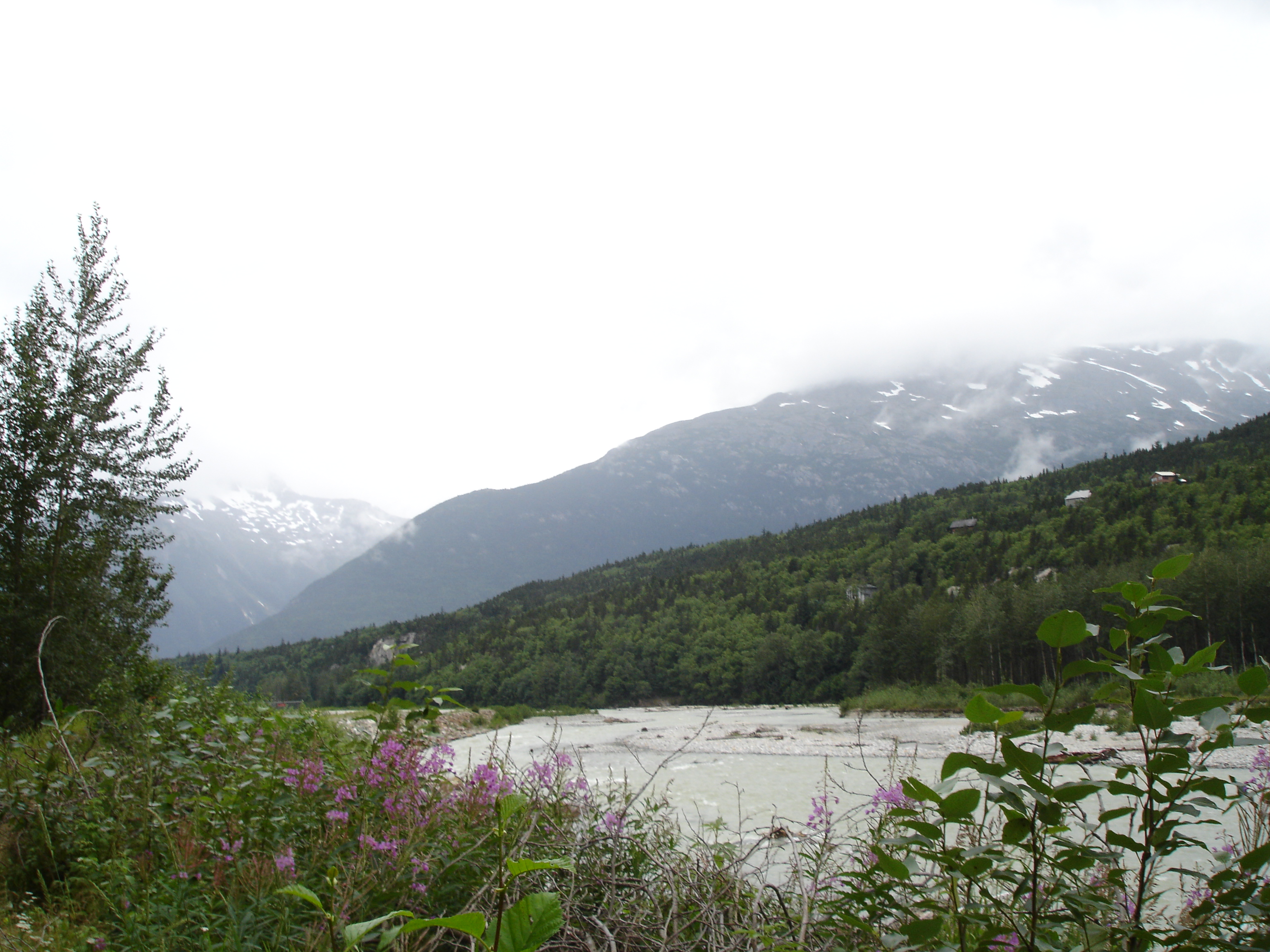
Skagway: Gateway to the Klondike
In the summer of 1897, ships arrived in San Francisco and Seattle carrying gold from the Klondike. Within weeks, tens of thousands of people headed north. Skagway, Alaska, didn't exist in July 1897; by October it was the largest city in Alaska, a tent city of stampeders preparing to cross the mountains to the goldfields. The Chilkoot Trail and White Pass Trail led from Skagway over the Coast Mountains to the Yukon River watershed; stampeders hauled a year's worth of supplies over the passes or died trying. The town was lawless, controlled by con man Jefferson 'Soapy' Smith until vigilantes shot him on July 8, 1898. Today, Skagway preserves its gold rush history for cruise ship tourists, a remarkably intact 1890s boomtown at the end of the Inside Passage.
The Rush
When the steamship Portland arrived in Seattle on July 17, 1897, carrying 'a ton of gold,' it triggered one of history's great stampedes. Within months, 100,000 people set out for the Klondike; 30,000-40,000 actually arrived. Most traveled by ship to Skagway or nearby Dyea, then overland across the Coast Mountains. The Chilkoot Trail from Dyea was shorter but steeper - the famous 'Golden Stairs' was a 45-degree slope of ice steps that stampeders climbed single-file, carrying loads of supplies. The White Pass Trail from Skagway was longer but less steep; it became known as 'Dead Horse Trail' after 3,000 pack animals died on its rocky slopes. Either way, the journey was brutal.
The Town
Skagway grew from nothing to Alaska's largest city in months. By summer 1898, an estimated 10,000 people lived there - stampeders preparing for the trail, merchants selling supplies, and every variety of opportunist. The town had no government, no law enforcement, and no order beyond what people imposed themselves. Saloons, dance halls, and gambling houses operated around the clock. Prices were extortionate; supplies sold for many times their Seattle prices. Hotels were tents; streets were mud. Captain William Moore had homesteaded the site in 1887, anticipating a gold rush; the stampeders simply overran his claim. He eventually won compensation in court.
Soapy Smith
Jefferson Randolph 'Soapy' Smith was a con man who had operated in Denver before moving his operation to Skagway. He arrived in late 1897 and quickly established control through a network of gang members, bribed officials, and intimidation. His cons included rigged gambling, fake telegrams (Skagway had no telegraph), and straight robbery. Stampeders arriving in Skagway were systematically fleeced. The townspeople tolerated Smith until he went too far, robbing a returning prospector of $2,700 in gold. On July 8, 1898, vigilantes confronted Smith at the town wharf. In the shootout, both Smith and vigilante Frank Reid were killed. Reid survived four days; his tombstone reads 'He gave his life for the honor of Skagway.'
The Railroad
The White Pass & Yukon Route railroad, built in 1898-1900, transformed travel to the Klondike. The narrow-gauge railroad climbed 2,865 feet from Skagway to White Pass summit in just 20 miles, an engineering marvel carved into cliff faces. Once the railroad opened, the brutal trail hikes ended; supplies and people moved by train. The railroad operated for nearly a century, closing in 1982 when ore traffic ceased. It reopened in 1988 as a tourist attraction, carrying cruise ship passengers on the spectacular scenic route. Today, the White Pass & Yukon Route is one of Alaska's most popular excursions.
Visiting Skagway
Skagway is accessible by Alaska Marine Highway ferry, cruise ship, or via the Klondike Highway from Whitehorse, Yukon (110 miles). The Klondike Gold Rush National Historical Park preserves the town's gold rush buildings and interprets the history. Broadway Street retains its 1898 appearance - false-front buildings now house gift shops and museums. The Mascot Saloon, Moore Cabin, and historic depot are Park Service sites. White Pass & Yukon Route scenic railroad trips depart daily during summer. The Chilkoot Trail can still be hiked (33 miles, 3-5 days, permit required). Skagway has year-round population of about 1,000; summer brings over a million cruise visitors. The town is 15 hours from Seattle by Alaska Marine Highway, or accessible by small aircraft from Juneau.
From the Air
Located at 59.46°N, 135.31°W at the head of the Lynn Canal, Alaska. From altitude, Skagway is visible as a small settlement at the terminus of the long, narrow Lynn Canal - the deepest fjord in North America. The White Pass & Yukon Route railroad corridor is visible climbing through the Coast Mountains toward the Yukon. The Chilkoot Trail crosses the mountains to the northwest. The Klondike Highway follows the White Pass corridor to Whitehorse. Juneau is 90 air miles south. The terrain is dramatic - steep mountains rising directly from the water, glaciers visible on higher peaks. The route of the stampeders is apparent - water to the foot of the mountains, then straight up.