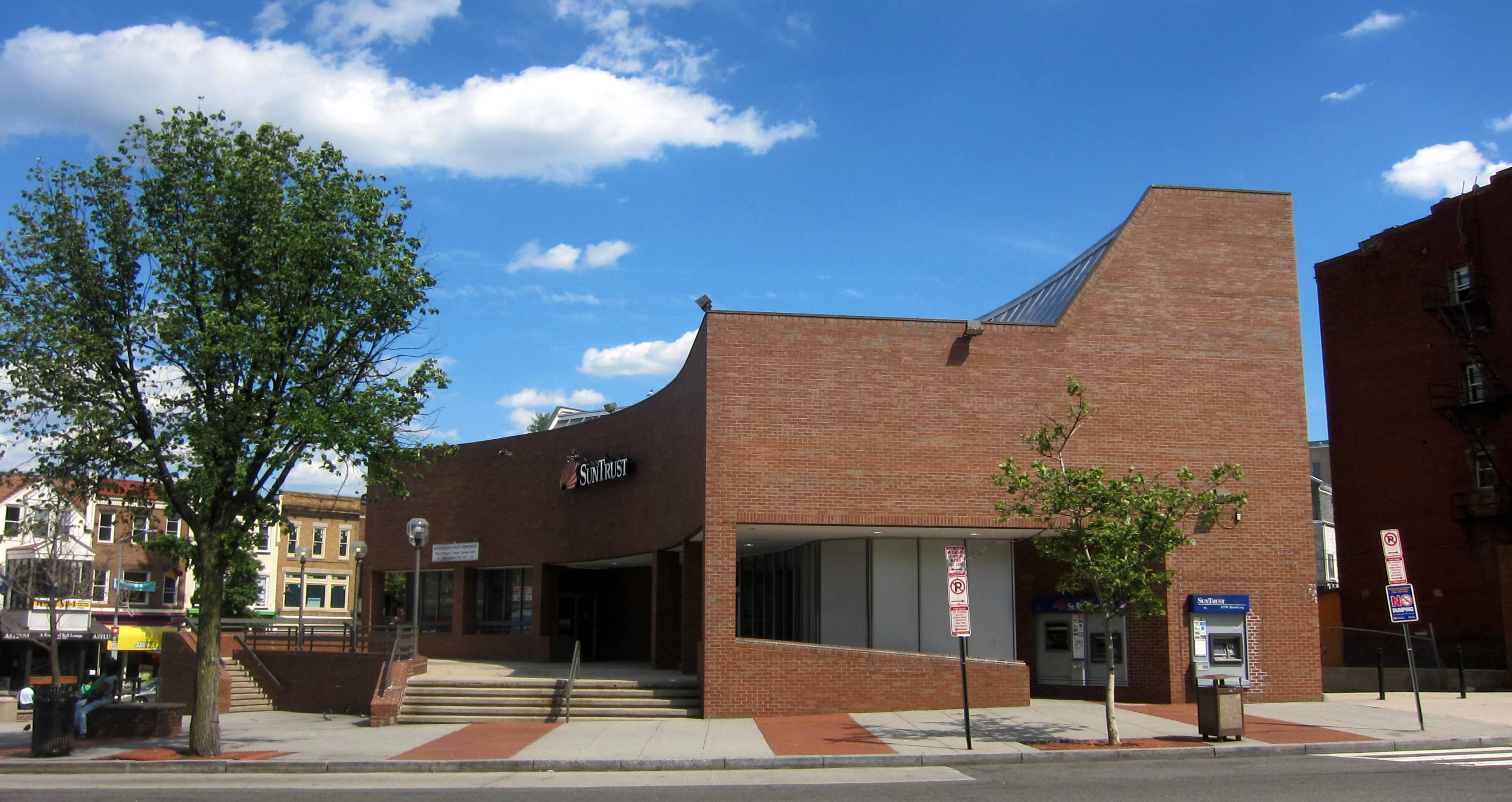
Knickerbocker Theatre
The audience was laughing. On the evening of January 28, 1922, nearly 1,700 seats in the Knickerbocker Theatre were filled with Washingtonians who had braved a two-day blizzard to watch the silent comedy Get-Rich-Quick Wallingford. Outside, snow was still falling on the theater's flat roof at 18th Street and Columbia Road in Adams Morgan. Inside, no one heard the steel trusses groan. When the roof gave way, it brought the balcony down with it, burying the audience below. Ninety-eight people died and 133 were injured -- the deadliest disaster in Washington, D.C., history.
Crandall's Palace
The Knickerbocker Theatre was the vision of Harry Crandall, one of Washington's most prominent theater operators. Commissioned in 1917 and designed by architect Reginald Geare, the building was more than a movie house. With a seating capacity of 1,700, it doubled as a concert and lecture hall, complete with ballrooms, luxurious parlors, and lounges. It was a palace for a city that considered itself a capital in every sense. Crandall and Geare built a venue meant to rival anything in New York or Philadelphia, a place where Washington's political elite and everyday families could share the same velvet seats on a Saturday night.
The Night the Roof Fell
The blizzard that struck Washington on January 27 and 28, 1922, dropped enormous quantities of snow across the city. The accumulation on the Knickerbocker's flat roof put catastrophic strain on the structure. On the evening of January 28, the roof collapsed, dragging the balcony down onto the orchestra-level audience below. Chaos erupted in the darkened theater. Relatives of those inside rushed to the scene. Fire engines and rescue equipment struggled to reach the building through streets choked with snow and stranded vehicles. Ambulances from Walter Reed Army Medical Center and volunteer taxi drivers evacuated the injured to hospitals. The dead included former Congressman Andrew Jackson Barchfeld and several prominent political and business figures. But the stories that lingered were more intimate: a violinist in the theater's orchestra who had been married just five days earlier, a honeymooning couple at the movies for a night out, a young boy brought to the temporary morgue to identify the bodies of both his parents and his two sisters.
Blame Without Justice
In the aftermath, investigators and lawyers searched for accountability. Early witness accounts suggested that theater employees had discussed clearing the snow from the roof but decided it was unnecessary. Multiple lawsuits followed the collapse, but the courts were unable to determine liability, and none succeeded. The disaster left a more personal mark on its creators. Architect Reginald Geare, who designed the building, died by suicide in 1927. Harry Crandall, the owner who commissioned it, took his own life in 1937. The tragedy shadowed both men for the rest of their lives, and neither escaped it.
A Measure of American Catastrophe
The Knickerbocker Theatre collapse ranks as the third-deadliest structural engineering failure in United States history, tied with the Surfside condominium collapse in Florida in 2021. Only the Hyatt Regency walkway collapse in Kansas City in 1981 and the Pemberton Mill collapse in Lawrence, Massachusetts, in 1860 claimed more lives. The Knickerbocker disaster shaped building codes and structural engineering practices for decades, a grim lesson written in the rubble of a Saturday night at the movies. The blizzard itself became known as the Knickerbocker storm, its name permanently fused to the theater it destroyed.
What Remains at 18th and Columbia
The Knickerbocker Theatre was demolished after the collapse. Today the site at 18th Street and Columbia Road sits in the heart of Adams Morgan, one of Washington's most vibrant and eclectic neighborhoods. There is no grand monument at the location -- the theater itself is gone, replaced by the ongoing life of a city that long ago paved over its scars. But the Knickerbocker Memorial project works to preserve the memory of the 98 people who went to the movies on a snowy January evening and never came home. More than a century later, the story endures as a reminder of how quickly an ordinary night can become extraordinary tragedy.
From the Air
Located at 38.9222N, 77.0428W at the intersection of 18th Street and Columbia Road NW in the Adams Morgan neighborhood of Washington, D.C. The site is approximately 1.5 miles north-northwest of the White House. Nearest airports: KDCA (Ronald Reagan Washington National, 5 nm south), KIAD (Washington Dulles International, 25 nm west). Adams Morgan is identifiable from the air by its dense low-rise commercial corridor along 18th Street. Best viewed below 2,500 feet AGL for neighborhood detail. Rock Creek Park lies immediately to the west.