Knoxville: The Gateway to the Smokies Where Tennessee Began
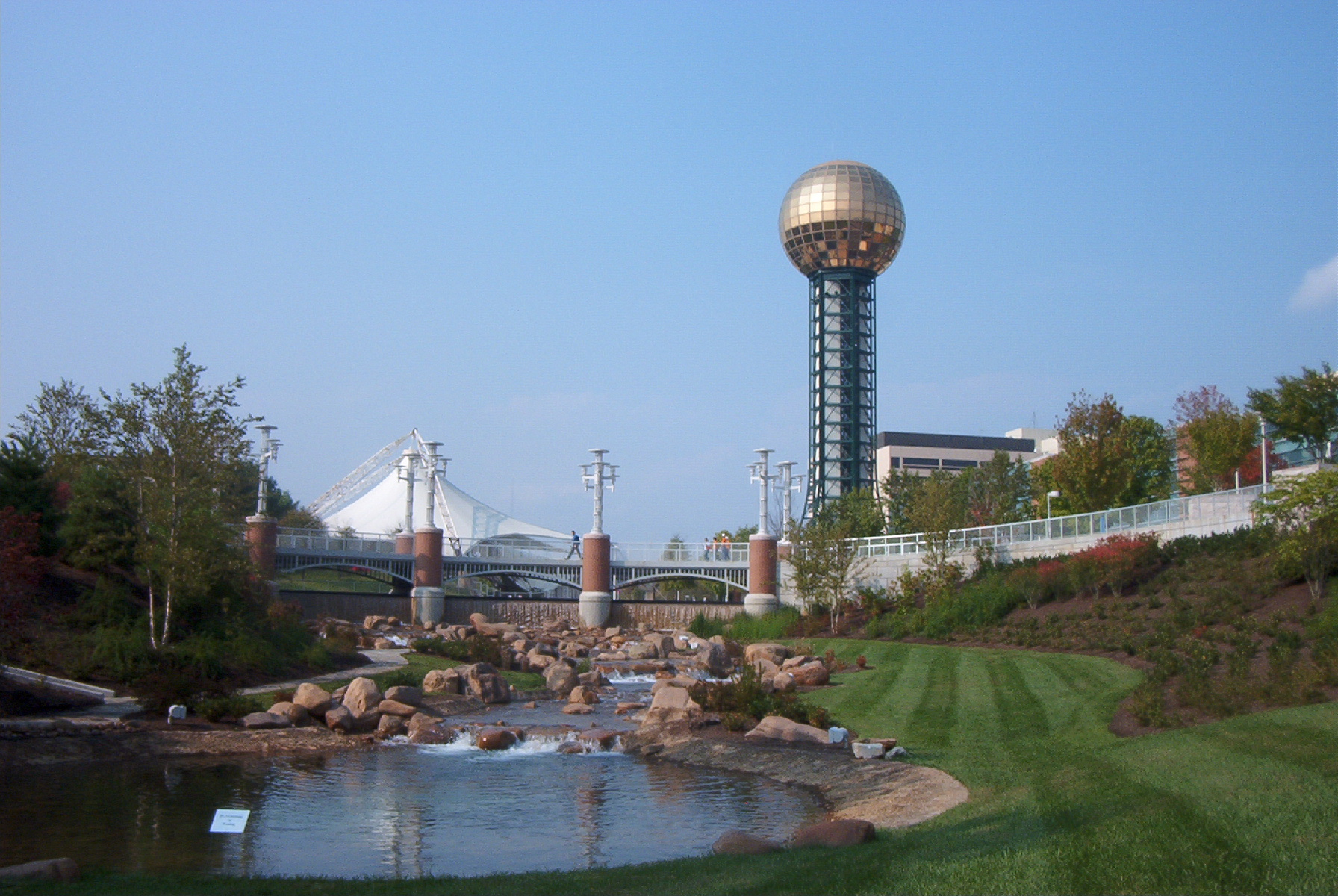
Knoxville sits where the Great Valley meets the Great Smoky Mountains - the natural gateway to America's most visited national park, the city that was Tennessee's first capital before Nashville took the title. The city of 190,000 occupies a bend in the Tennessee River, the University of Tennessee campus anchoring the hillside, the Sunsphere from the 1982 World's Fair still standing as a peculiar landmark. Knoxville is not quite Appalachia (too urban, too connected) and not quite the rest of Tennessee (too mountainous, too distinctive). The city's identity derives from its position - the place where flat Tennessee meets mountain Tennessee, where visitors pass through on their way to the Smokies.
The Smokies
Great Smoky Mountains National Park, straddling the Tennessee-North Carolina border, is America's most visited national park - over 12 million visitors annually, more than twice Yellowstone or Grand Canyon. Knoxville and Gatlinburg are the primary gateways on the Tennessee side. The park is free (no entrance fee), which partly explains the crowds; the beauty and accessibility explain the rest. The Smokies are ancient mountains, worn down from Himalayan heights to gentle ridges wrapped in mist. Knoxville benefits from the traffic - the visitors who need hotels and meals before or after their park experience.
The Sunsphere
The 1982 World's Fair - themed 'Energy Turns the World' - left Knoxville with the Sunsphere, a 266-foot tower topped with a gold-tinted glass sphere. The fair drew 11 million visitors and transformed downtown; the Sunsphere became a punchline (The Simpsons mocked it; Knoxville embraced the mockery). The observation deck offers views; the fair site became World's Fair Park. The Sunsphere is odd and endearing, a landmark from an era when mid-sized cities hosted world's fairs, a reminder that Knoxville briefly mattered on a global stage.
The University
The University of Tennessee enrolls 30,000 students, the orange-clad fans filling Neyland Stadium (capacity 102,000) for football games, the campus sprawling across a hillside above the river. UT is the state's flagship university, the research programs attracting federal dollars, the medical center serving the region. The university provides the economic stability that other cities this size lack, the employment that doesn't depend on manufacturing. The rivalry with Alabama is the state's most intense; the 'Third Saturday in October' game defines fall for Knoxville.
The Music
Knoxville contributed to American music through the WNOX radio barn dance, the precursor to Nashville's Grand Ole Opry that broadcast from the 1920s through 1950s. The East Tennessee music tradition - old-time, bluegrass, the mountain sounds that predate commercial country - persists in the region. The Bijou Theatre and Tennessee Theatre present concerts in historic venues. The music heritage connects Knoxville to Appalachian culture that the Smokies tourism sometimes obscures - the reminder that mountain music came from mountain people, not just tourist performances.
Visiting Knoxville
Knoxville is served by McGhee Tyson Airport (TYS). The Sunsphere observation deck is free and worth the view. Market Square provides downtown dining and entertainment. The Women's Basketball Hall of Fame honors the sport (UT's Lady Vols are legendary). The Museum of East Tennessee History covers regional culture. For the Smokies, Gatlinburg is 30 miles south - touristy but gateway. The Foothills Parkway offers scenic driving with fewer crowds than Cades Cove. UT football games require advance tickets; the tailgating is extensive. The weather is four-season; fall brings leaf color and crowds.
From the Air
Located at 35.96°N, 83.92°W where the Tennessee River bends at the foot of the Great Smoky Mountains. From altitude, Knoxville appears as urban development in the valley - the river's distinctive bend visible, Neyland Stadium visible on the riverbank, the Smokies rising to the southeast. What appears from altitude as an eastern Tennessee city is the gateway to America's most visited national park - where the 1982 World's Fair left its Sunsphere, where UT fills Neyland Stadium, and where the mountains meet the valley.