Koneswaram Temple
On April 14, 1622 -- Tamil New Year's Day -- Portuguese soldiers under General Constantino de Sa de Noronha attacked the temple they called the Temple of a Thousand Pillars. Gold, pearls, precious stones, and silks collected over more than a millennium were looted within hours. Then the soldiers did something worse: they threw the temple's stones off the cliff into the sea and used the rubble to build their fort. For centuries afterward, the carved granite blocks lay scattered on the ocean floor below Swami Rock, visible to anyone who looked over the edge of the promontory the Dutch would rename Pagoda Hill. The temple's destruction was an act of colonial religious vandalism so thorough that it took 350 years to even begin undoing it.
Sacred Ground Before Memory
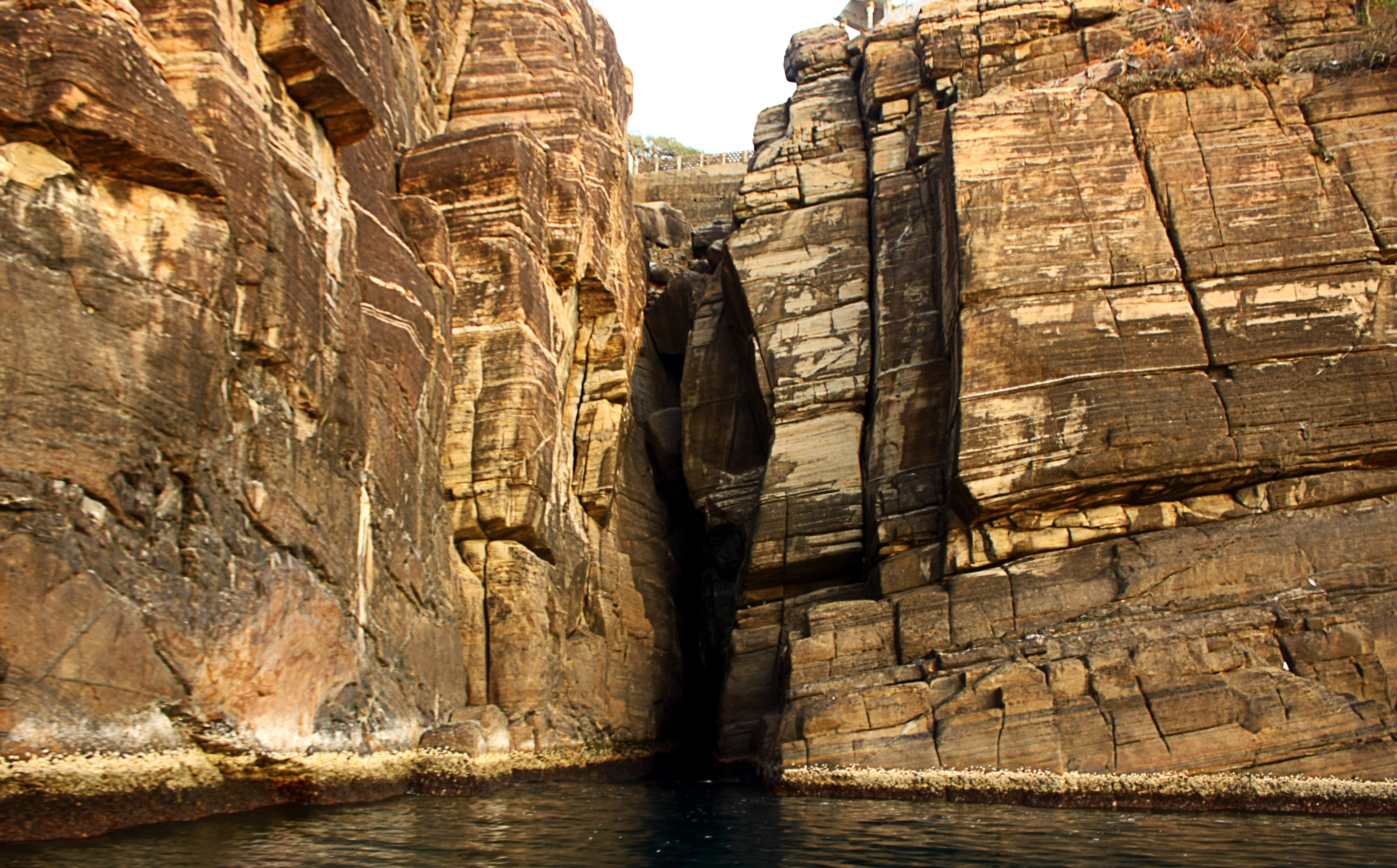
Koneswaram sits on Swami Rock, a promontory jutting into the Indian Ocean at the edge of Trincomalee harbor. The temple's origins stretch beyond reliable history into tradition: Hindu texts associate the site with worship by Indra, king of the gods, and by Ravana of the Ramayana epic. What is historically documented is extensive enough. By the 6th century CE, a special coastal route by boat ran from the Jaffna Peninsula south to the temple. The great Tamil poet Thirugnana Sambandar praised Koneswaram in the Tevaram hymns of the late 6th century, establishing it as one of 275 Shiva Sthalams -- sacred abodes of Shiva glorified in Tamil devotional literature. Only one other temple on the island of Sri Lanka, Ketheeswaram in Mannar, shares that distinction. The Pallava Dynasty contributed Dravidian rock temple architecture during the reign of King Narasimhavarman I, whose armies reached the island in the mid-7th century.
Empires Carved in Stone
Every dynasty that controlled this coast left its mark on the temple. The Chola royal Kulakkottan rebuilt the shrine after finding it in ruins, constructing lofty gopuram towers and earning the title 'Builder of tank and temple.' In the 13th century, Jatavarman Sundara Pandyan's forces gold-plated the gopurams in the style of the Tirumala Venkateswara Temple at Tirupati. The temple compound grew to include three major shrines on the promontory: the large temple of Shiva, the temple of Vishnu, and the temple of the Mother-Goddess -- together known as the Three Pagodas of Tirukonamalai. A 16th-century Portuguese account by De Quieroz describes three temples rising at successive elevations on the rock, 'visited by a concourse of Hindus from the whole of India.' What he documented, his countrymen would soon destroy.
The Destruction of 1622
General Constantino de Sa de Noronha's forces did not merely damage the temple. They dismantled it systematically, using its stones as building material for Fort Frederick. The destruction represents one of the most significant acts of colonial religious vandalism in South Asian history. Between 1639 and 1689, the displaced community built the Ati Konanayakar temple in nearby Thampalakamam to house the processional idols that survived the destruction -- artifacts that had been carried away rather than smashed. Under Dutch rule that followed the Portuguese, no ceremonies were permitted on Swami Rock. The fort sat atop Pagoda Hill, its walls incorporating the bones of the temple it had replaced. It was not until British rule that pilgrims were even allowed to return to the promontory. By the mid-19th century, a modest ritual had resumed: sailors and the high priest would visit the rock each January, break a coconut, say prayers, and cast fruit offerings over the cliff edge, where they fell to the ruins below.
What the Sea Gave Back
In 1956, divers exploring the waters beneath Swami Rock began recovering carved granite blocks, stone pillars, and bronze statues from the ocean floor -- pieces of the temple the Portuguese had thrown over the cliff more than three centuries earlier. The statues, believed to date from the 10th century CE, include a seated figure of Shiva in the Somaskanda form, Shiva as Chandrasekhar, the goddess Parvati, the goddess Mathumai Ambal, and Ganesha. They are made of gold and copper alloy bronze. The recovered artifacts were carried in procession around the region before being reinstalled at the rebuilt Koneswaram temple. The first photograph of the shrine's remains had been taken in 1870; now, piece by piece, the shrine itself was returning from the sea. The temple that stands today is a partial reconstruction, smaller than the original compound of a thousand pillars but alive again with worship -- the annual Ther chariot festival runs for twenty-two days each April, the Navaratri and Sivaratri functions fill the rebuilt halls, and pilgrims once again climb Swami Rock to the place where Shiva has been worshipped since before the records begin.
From the Air
Located at 8.58N, 81.25E on Swami Rock, a dramatic promontory jutting into the Indian Ocean at Trincomalee, Sri Lanka. The cliff and temple are visible from the air as the easternmost point of the Trincomalee peninsula, with Fort Frederick occupying the same promontory -- built from the temple's own stones. Best viewed from the east at 1,000-3,000 feet AGL. The deep blue water below the cliff conceals the remains of temple stones thrown into the sea in 1622. China Bay Airport (VCCT) is adjacent. Bandaranaike International Airport (VCBI) is approximately 140 nautical miles to the southwest.