Korcula: Marco Polo's Island in the Dalmatian Adriatic
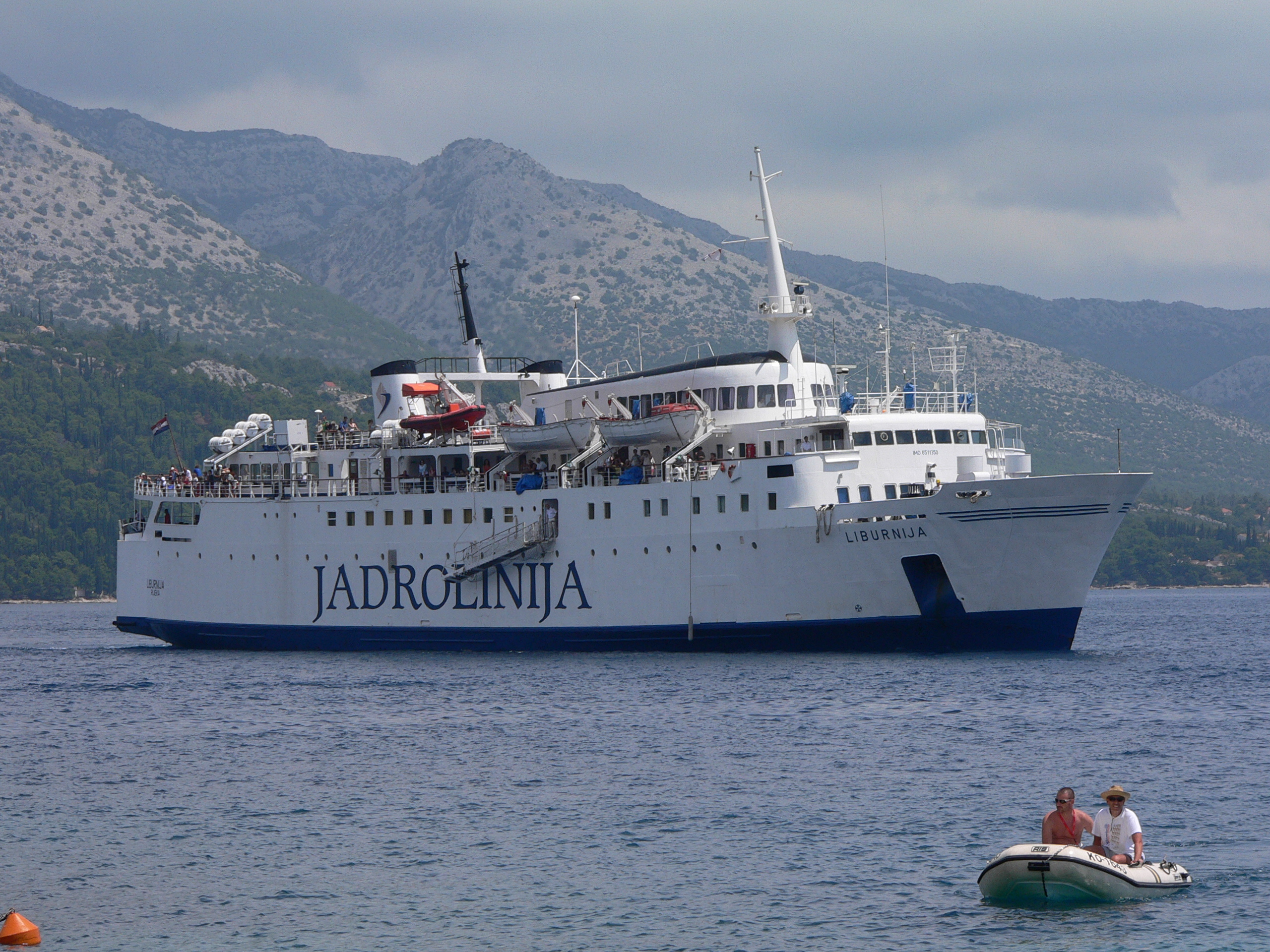
The ferry from Orebic takes twenty minutes to cross the narrow channel, but the distance feels far greater. Korcula rises from the Adriatic like a vision from another century: honey-colored stone walls, terracotta roofs, and the distinctive fishbone pattern of medieval streets designed to catch the sea breeze while blocking winter winds. Some say Marco Polo was born here in 1254, though Venice disputes the claim. What is certain is that this island has been drawing travelers for millennia, first the Greeks who named it Korkyra Melaina, then the Venetians who fortified its towns, and now visitors who come for the wine, the beaches, and the sense of stepping out of time.
The Old Town
Korcula town's old quarter occupies a small peninsula, its layout unchanged since the Middle Ages. The central spine runs from the Land Gate to the cathedral, with narrow lanes branching off like ribs toward the sea. This herringbone design was no accident: the streets were angled to channel summer breezes through the town while shielding residents from the harsh winter Bora wind. St. Mark's Cathedral dominates the skyline, its bell tower offering views across the channel to the Peljesac Peninsula. The supposed birthplace of Marco Polo stands nearby, though historians remain skeptical that the great explorer was actually born on this island rather than in Venice.
Wines of Korcula
Two grape varieties grow on Korcula and nowhere else in the world. Posip, a light-bodied dry white, thrives in the vineyards of Smokvica and Cara in the island's center. But the truly unique wine is Grk, produced only in the village of Lumbarda at the island's eastern tip. The Grk vine has only female flowers, requiring nearby plantings of Plavac Mali for pollination, and the resulting wine possesses a distinctive mineral character that cannot be replicated elsewhere. You will not find Grk in stores; it must be sought in restaurant wine lists or by following signs to the small family vineyards along the road to Lumbarda, where winemakers take fierce pride in this local treasure.
Island Life
Korcula is the most populated island in the Adriatic, yet it never feels crowded. Villages like Blato, Pupnat, and Zrnovo dot the interior, connected by roads that wind through olive groves and vineyards. The Napoleonic-era roads make excellent cycling routes, offering easier gradients than the modern highway. Sandy beaches, rare on Croatia's typically rocky coastline, can be found east of Lumbarda. Kayakers paddle between the small islands of the archipelago, snorkelers explore underwater caves, and visitors with more time rent boats to discover hidden coves accessible only from the water. The mild winters make cycling possible year-round.
Food and Tradition
Dalmatian cuisine reaches some of its finest expressions on Korcula. Brodet, a rich fish stew, appears on restaurant menus throughout the old town. Pasticada, beef slowly braised in wine and prunes, demonstrates the Venetian influence that shaped island cooking. The local specialty is zrnovski makaruni, hand-rolled pasta served with beef, a dish that requires patience to prepare properly. Peka, meat and vegetables slow-cooked under an iron bell in a fireplace, must be ordered a day in advance. After dinner, local desserts include klasun, a shortbread pastry filled with chopped nuts, and prikle, deep-fried dough popular throughout Southern Dalmatia.
Gateway to the Adriatic
Ferries connect Korcula to the Croatian mainland and to neighboring islands, making it a natural hub for exploring the southern Adriatic. Mljet National Park, the greenest island in the region with its twin salt lakes and monastery, lies within day-trip distance. The Peljesac Peninsula, visible across the channel, produces some of Croatia's finest Plavac Mali red wines. Dubrovnik, the jewel of the Croatian coast, can be reached by catamaran in two hours. But many travelers find themselves lingering on Korcula longer than planned, drawn back each evening to the old town's waterfront restaurants, where the setting sun gilds the stone walls and the wine flows until the stars appear over the Adriatic.
From the Air
Korcula Island (42.95N, 17.12E) lies in the southern Adriatic Sea, approximately 125km northwest of Dubrovnik and 145km southeast of Split. The island is roughly 47km long and 8km wide. There is no airport on the island. Nearest airports are Dubrovnik (LDDU) 130km southeast, Split (LDSP) 165km northwest by road/ferry, and the small Brac Island Airport (LDSB) 100km northwest. From the air, the island is identifiable by its elongated shape, forested interior, and the distinctive medieval old town of Korcula on the eastern peninsula. The Peljesac Channel separates the island from the mainland peninsula.