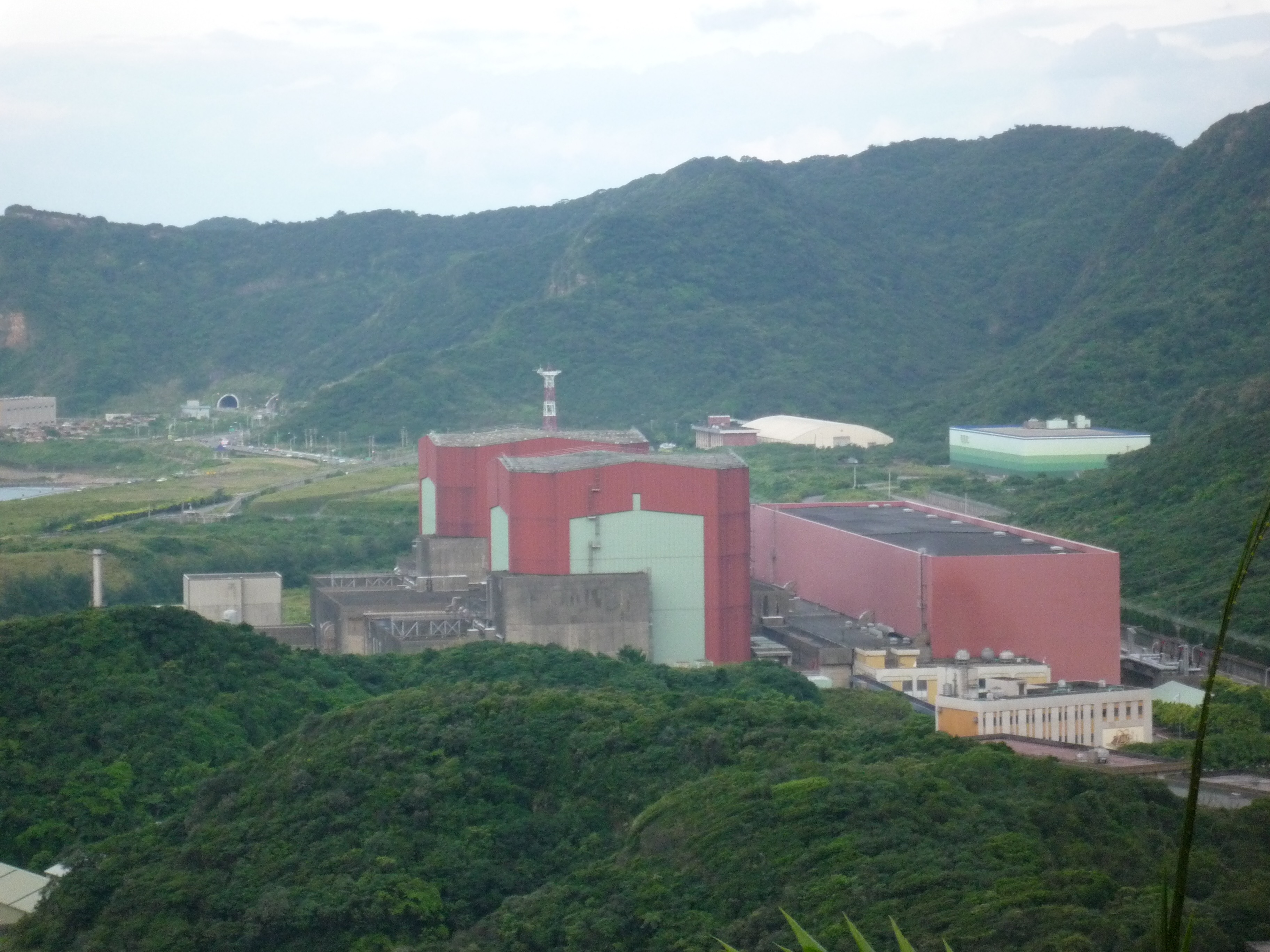
Kuosheng Nuclear Power Plant
Seven cracked anchor bolts do not sound like much. But when those bolts are the ones securing a nuclear reactor to its concrete foundation, and when the technicians who discover them are performing routine maintenance at the largest nuclear power plant on an earthquake-prone island, seven cracked bolts become a national conversation. The Kuosheng Nuclear Power Plant in Wanli District, New Taipei, spent four decades generating electricity and generating controversy in roughly equal measure, before both of its reactors were permanently shut down by 2023.
The Island's Biggest Reactor
Kuosheng, also known as the Second Nuclear Power Plant, began operations in 1981 with two General Electric boiling water reactors. At peak capacity, the plant generated 16 billion kilowatt-hours of electricity per year, making it the largest nuclear power plant in Taiwan. For an island with limited domestic energy resources and a voracious appetite for power driven by semiconductor manufacturing and heavy industry, Kuosheng was essential infrastructure. Taipower, the state-owned utility, operated the plant on the rugged northern coast, where the Pacific Ocean provided cooling water and the surrounding hills provided a measure of natural containment. The location was practical. It was also, as events would demonstrate, precarious.
The Fukushima Shadow
The Fukushima Daiichi disaster in March 2011 changed the nuclear conversation everywhere, but especially in Taiwan. Two months after the Japanese meltdowns, Taipower and the New Taipei City Fire Department staged Taiwan's first compound disaster drill at Kuosheng, with President Ma Ying-jeou observing. The scenario was blunt: total power failure, the same cascading crisis that had overwhelmed Fukushima. Taipower's statement acknowledged the grim math. In the worst case, the plant would be abandoned and seawater injected to prevent core meltdown. The drill made headlines. The public took note of what abandonment meant for the surrounding communities. A year later, the discovery of the cracked anchor bolts during routine maintenance added physical evidence to abstract fears. One bolt broken, two fractured, four cracked, all beneath a reactor that sat in one of the most seismically active regions on Earth.
A Decade of Shutdowns
Kuosheng's final decade read like a catalogue of mechanical trouble. In June 2013, a loose blade in an air damper fell onto a busbar insulator, triggering an automatic shutdown of reactor one. No radioactivity was released, and the plant was back online within two days. In December 2015, reactor one shut down unexpectedly due to control system problems. In May 2016, reactor two was suspended after a fire caused by a short circuit, an incident that occurred shortly after annual maintenance had been completed. Later that same month, another reactor shut down without warning. Parliamentary approval was required before reactor two could restart, and when technical clearance finally came in 2018, the political landscape had shifted. Taiwan's government was moving decisively toward a nuclear-free future.
Decommissioning an Era
Kuosheng 1 was permanently shut down on July 1, 2021. Kuosheng 2 followed in March 2023. With their retirement, Taiwan lost its largest nuclear generating station and moved closer to its stated goal of phasing out nuclear power entirely. The decommissioning process will take decades, a slow and meticulous unwinding of radioactive materials, contaminated structures, and spent fuel. The plant won a gold medal at the 2010 Asia Power Awards in Singapore for its 360-degree reactor work platform, a piece of engineering innovation that now serves a facility being taken apart rather than maintained. Along the northern coast of New Taipei, the cooling water intakes fall quiet. The reactors that once powered a significant portion of the island's grid sit in enforced stillness, monuments to both the promise and the anxiety that nuclear energy inspires.
From the Air
Located at 25.2029N, 121.6629E on the northern coast of Taiwan in Wanli District, New Taipei. The plant complex is visible from the air as a large industrial facility on the coastline with distinctive reactor buildings and cooling infrastructure. Best viewed at 3,000-5,000 feet. Nearest airports are Taipei Songshan (RCSS), approximately 18 nm south-southeast, and Taiwan Taoyuan International (RCTP), approximately 25 nm southwest. The Yehliu cape is visible to the east along the same coastline.