Kurd's Heritage Museum
In the year 2000, a heritage expert named Erfan Othman and his friend, the artist Barzan Qadir, began collecting things. Not paintings for a gallery or coins for a cabinet, but the everyday objects of Kurdish life: clothes, jewelry, rugs, firearms, manuscripts, copper pots, household utensils. They funded the project themselves. No government grants, no institutional backing. They simply believed that if someone did not gather these things soon, they would disappear. Over the years, through purchases, donations, and bequests, the collection grew to 1,718 registered items, some as old as four centuries. The question was where to put them.
The Hotel That Became a Museum
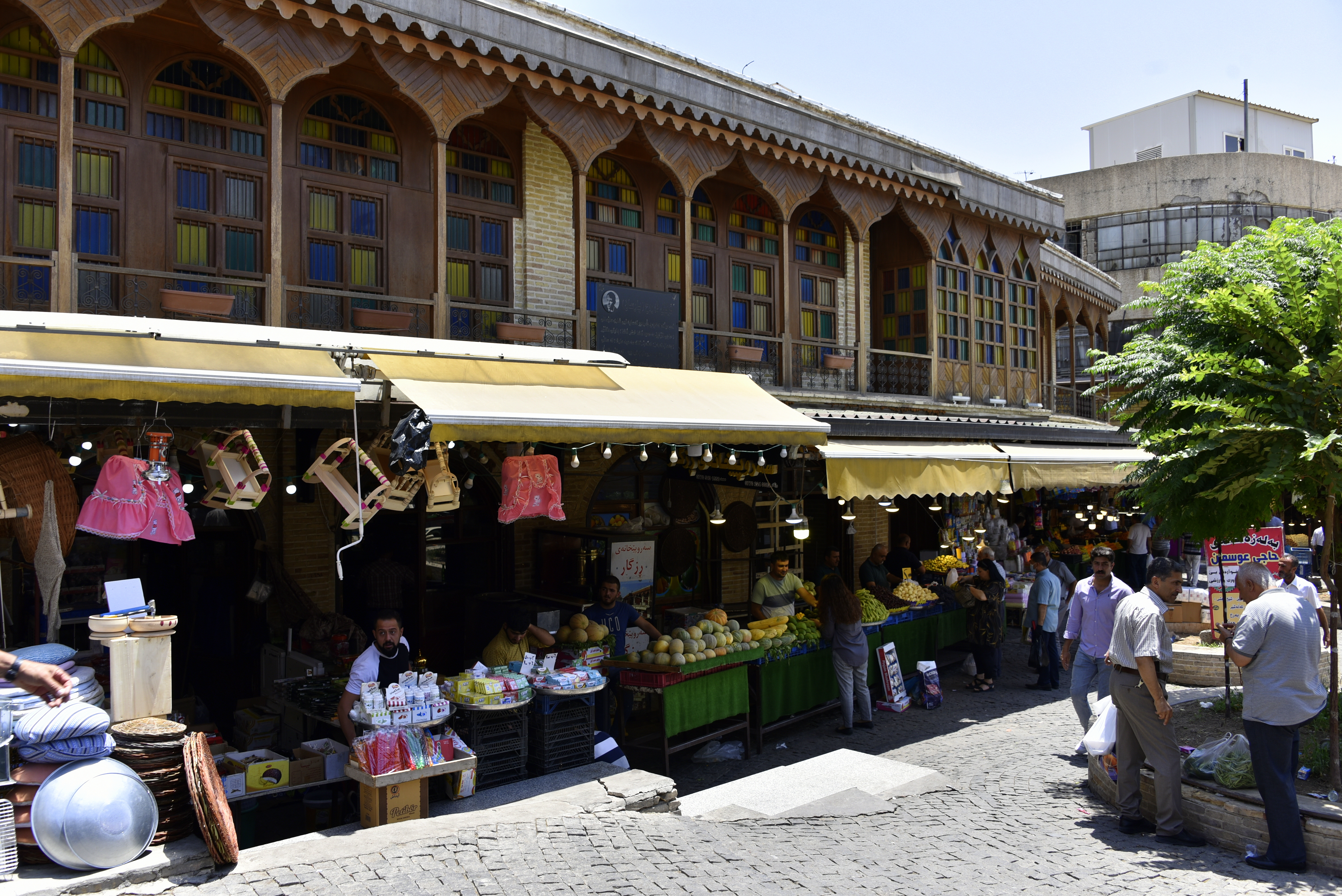
The answer arrived in the form of the Farah Hotel, the oldest hotel in Sulaymaniyah, built in the early 1920s on Mawlawi Street in the city's historic downtown. The hotel had been abandoned for four decades by the time the Directorate of Antiquities of Sulaymaniyah purchased it in 2006. A major restoration began in 2013 and finished in 2015. The upper floor was given to Othman and Qadir's organization, the Revival of Kurd's Heritage Organisation, which had by then received official licensing from the Regional Government of Iraqi Kurdistan. On November 14, 2015, the same day the city celebrates its Foundation Day, the Kurd's Heritage Museum opened its doors. It was a fitting coincidence: a city honoring its founding while opening a window into the centuries that preceded it.
Four Centuries on Display
Of the museum's 1,718 items, only about 200 are on display at any given time. The rest wait in storage. What visitors see ranges from 50 to 400 years old: traditional Kurdish clothing with intricate embroidery, silver jewelry crafted by local artisans, Ottoman-era copper cookware, handwritten manuscripts in Kurdish Sorani dialect, and firearms from various periods. One display recreates a typical Sulaymaniyah living room, arranged as it would have been in a traditional Kurdish household. A coppersmith's workshop is also reconstructed, showing the trays, pots, and jugs that were once produced by hand in the city's bazaars. Among the manuscripts is a page from Kak Ahmadi Sheikh's Book, dated 1352 AD, written in Kurdish Sorani with corresponding Arabic translations, a document for teaching both languages side by side.
The Jewish Collection
Perhaps the most remarkable section of the museum is what staff call the Jewish Collection. Around 25 objects belonged to Jewish families who lived in Sulaymaniyah before emigrating to Israel. The collection includes three rare Torahs and portions of a Mizrahi Torah, their donor inscriptions still legible. But the Jewish presence in the museum extends well beyond these 25 items. A significant number of other objects on display were made by Jewish craftspeople who once worked in the city, including silver accessories and traditional Kurdish dresses. One mannequin wears an outfit whose dress and silver ornaments were produced by Jewish artisans in Sulaymaniyah roughly a century ago. Early 18th-century jewelry worn by Christians in the city is also preserved here. Together, these objects document a Sulaymaniyah that was once home to Muslim, Jewish, and Christian communities living and working alongside one another.
A Living Room on Mawlawi Street
The museum sits at the heart of Mawlawi Street, one of Sulaymaniyah's oldest thoroughfares, in a city that has served as a cultural capital of Iraqi Kurdistan since its founding in 1784. The inner courtyard of the restored Farah Hotel leads visitors upstairs into galleries that feel more like someone's home than a formal institution. This is intentional. The objects here are domestic, personal, and tactile. They were used. They were worn. They were read by lamplight. Entry is free. The museum opens Saturday through Thursday, 9:00 AM to 1:00 PM. It closed briefly during March and April 2020 for the COVID-19 crisis, but otherwise it remains what Othman and Qadir always intended: an accessible record of Kurdish heritage, assembled by hand, preserved through stubbornness, and displayed in a hotel that nearly fell to ruin before anyone thought to save it.
From the Air
Located at 35.56N, 45.44E in downtown Sulaymaniyah, in the Kurdistan Region of Iraq. The city sits in a bowl-shaped valley surrounded by the Zagros mountain foothills at approximately 850 meters elevation. Sulaymaniyah International Airport (ORSU) is about 10 km west of the city center. The Azmar and Goizha mountains frame the city to the northeast. Mawlawi Street runs through the old downtown core.