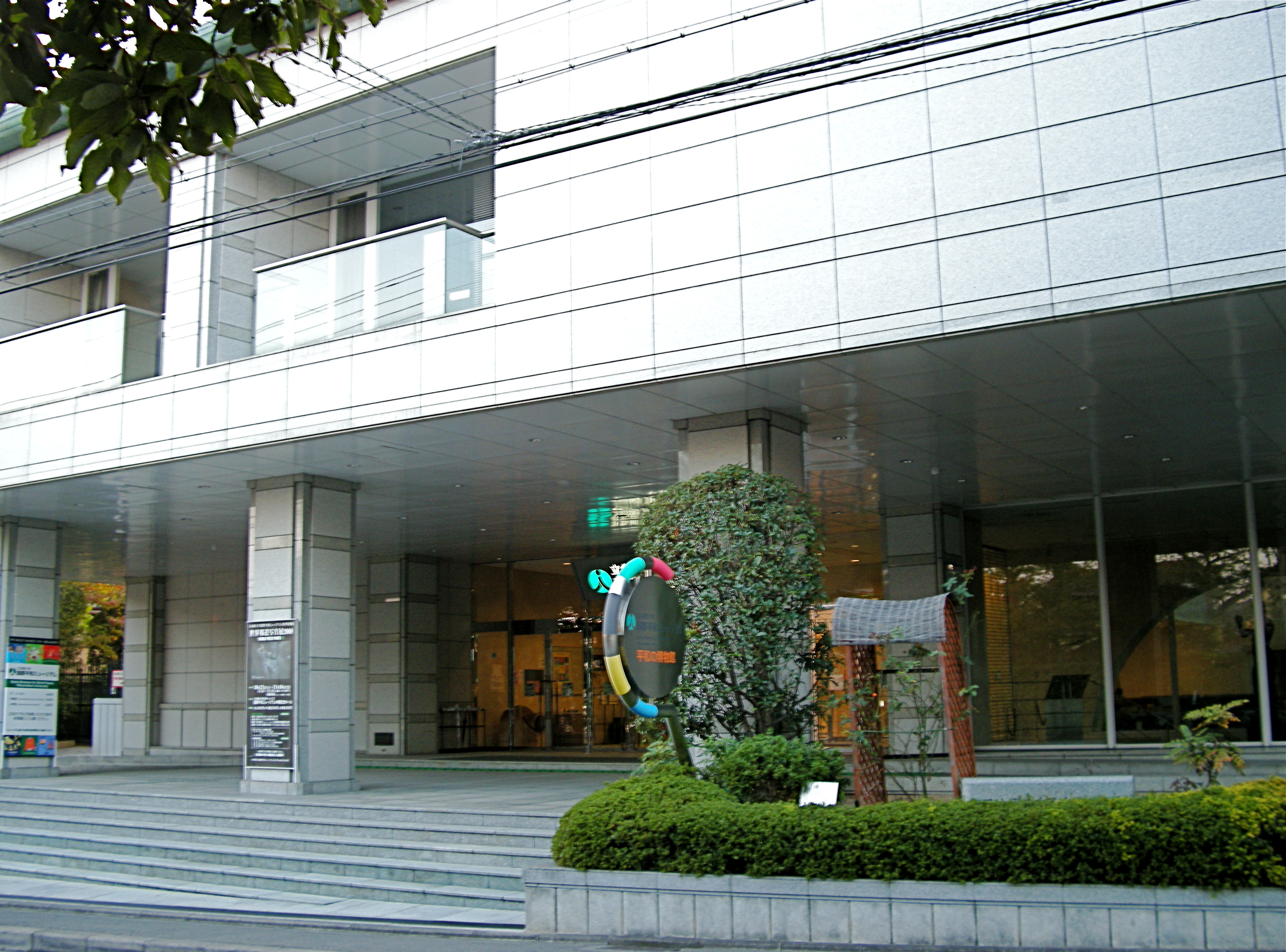
Kyoto Museum for World Peace
A tattered military uniform hangs behind glass, its faded fabric carrying the weight of a century's worth of lessons still being learned. The Kyoto Museum for World Peace, nestled on the Kinugasa campus of Ritsumeikan University in Kita-ku, sits just a short walk from Kinkaku-ji, the Golden Pavilion. The juxtaposition is deliberate in its own way: one of Kyoto's most serene landmarks neighbors an institution built to confront humanity's least serene impulses. Established on May 19, 1992, this was the first university-run peace museum among more than 110 such institutions worldwide, and its mission has only grown sharper with time.
Born from a University's Conscience
Ritsumeikan University traces its origins to 1869, when Prince Kinmochi Saionji founded a private academy on the grounds of the Kyoto Imperial Palace. The university that grew from that academy carries a deep sense of social responsibility, and the Museum for World Peace is its most visible expression. The museum was conceived to foster peacemakers who understand the obligation universities bear toward building a less violent world. Its permanent exhibition unfolds along a large chronological timeline exploring the memories of war and the long search for peace, anchored by four thematic exhibits designed to deepen visitors' understanding. In 2004, the museum absorbed the exhibits from the Young People's Plaza, a structure designed by the legendary architect Kenzo Tange, further expanding its scope and ambition.
Weapons, Flags, and the Shadow of the Atom
The displays are not gentle. Weapons, military flags, wartime documents, and uniforms fill the galleries, each artifact chosen to make the abstract horror of conflict tangible. A dedicated section confronts nuclear warfare head-on, detailing the atomic bombings of Hiroshima and Nagasaki and tracing the nuclear arms race between the United States and the Soviet Union that followed. The museum does not shy away from Japan's own wartime actions, presenting the full arc of twentieth-century conflict with an honesty that distinguishes it from more nationalistic commemorations. Most materials are presented in Japanese, though a 25-page English booklet guides international visitors through the exhibits. Admission runs between 400 and 600 yen.
Art as a Language of Peace
Beyond its permanent galleries, the museum hosts three to five special exhibitions each year, often co-organized with newspaper companies and cultural organizations. The Gallery for Peace, an extension of the museum's mission, exhibits contemporary art by living artists and has carried its work far beyond Kyoto's borders. Since 2000, the Gallery has mounted shows at cafes, university halls, and ballet schools, and has donated paintings to institutions including Soka University of America and the Florida Nature Conservation Center. The Gallery also teaches art and performance art, embedding creative practice into the museum's broader peace education mission.
A Quiet Counterweight
In a city celebrated for its temples, gardens, and centuries of refined culture, the Kyoto Museum for World Peace occupies an unusual position. It asks visitors to sit with discomfort rather than beauty, to examine the machinery of conflict rather than the elegance of tradition. The museum supports campaigns for human rights through nonviolence, environmental sustainability, the abolition of war, and global citizenship. It partners with organizations dedicated to healthcare and education access. For a museum that can be walked through in an hour, its reach extends remarkably far, a reminder that peace is not a passive state but an active, ongoing project that a university campus in northern Kyoto has made its life's work.
From the Air
Located at 35.034N, 135.727E in northern Kyoto's Kita-ku ward, near the Kinugasa hills. The museum sits on the Ritsumeikan University Kinugasa campus, identifiable from the air by the large university complex east of the wooded hills surrounding Kinkaku-ji. Nearest airports are Osaka Itami (RJOO, 36 km southwest) for domestic flights and Kansai International (RJBB, 77 km south) for international service. Recommended viewing altitude: 3,000-5,000 feet for campus detail. Kyoto's grid-pattern streets and the Kamo River provide excellent visual navigation aids.