Läckö Castle
White walls emerge from the gray waters of Lake Vänern like a vision from a fairy tale. Läckö Castle sits on Kållandsö island, its reflection shimmering in Sweden's largest lake, a baroque jewel that took four centuries and countless hands to perfect. What began in 1298 as a bishop's fortified refuge has become one of Scandinavia's most beautiful castles, its 248 rooms adorned with frescos, gilded ceilings, and the artistic ambitions of Sweden's most powerful families.
A Bishop's Stone Dream
Bishop Brynolf Algotsson of the Diocese of Skara laid the first stones in 1298, constructing a modest fortification of two or three houses surrounded by a protective wall. For the medieval bishops of Skara, this island stronghold offered both spiritual retreat and strategic defense. When fire swept through the structure in the 1470s, Bishop Brynolf Gerlachsson expanded the damaged fort, but the property's fate was sealed when the Protestant Reformation arrived in 1527. King Gustav Vasa claimed Läckö for the crown, stripping it from ecclesiastical hands and setting the stage for its transformation into a noble residence.
The De la Gardie Century
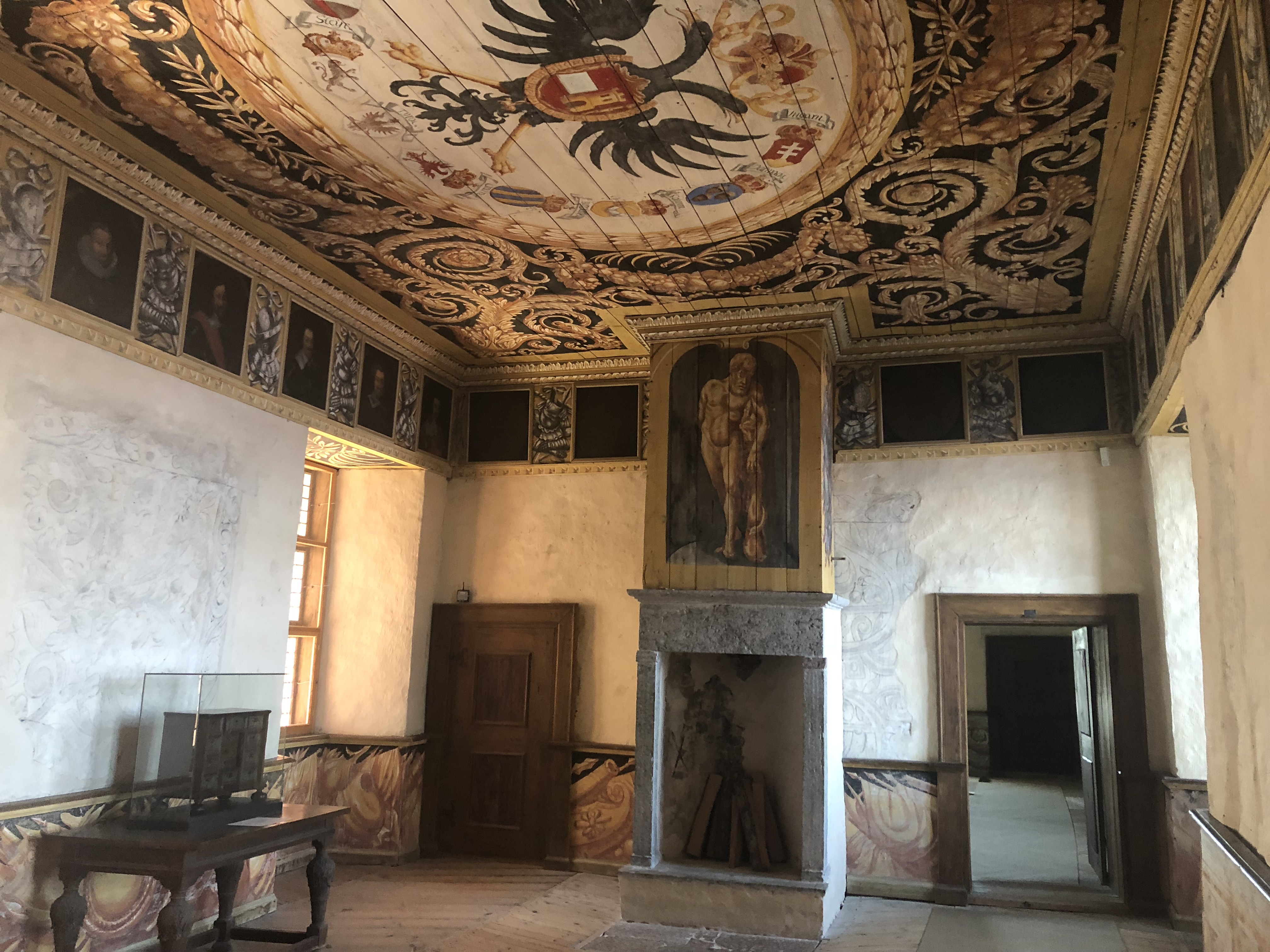
The castle's golden age began in 1615 when Field Marshal Jacob Pontusson De la Gardie received Läckö as a reward for his military service. The ambitious commander added a third floor to the keep, commissioned the ornate portal to the main courtyard, and hired artists to paint frescos of human figures and winding plants in niches and stairwells throughout the castle. But his son, Count Magnus Gabriel De la Gardie, would surpass even these grand ambitions. Beginning in 1654, Magnus Gabriel added a fourth floor and assembled teams of artists to decorate walls and ceilings with such lavish baroque ornamentation that Läckö became known as the finest example of Swedish baroque architecture.
Changing Hands Through Centuries
After the De la Gardie era, Läckö passed through the hands of Sweden's elite. Count Carl Gustaf Tessin, architect and diplomat, received the castle in 1752, followed by General Carl Johan Adlercreutz in 1810. Each owner left their mark, but none matched the extravagance of the baroque period. The castle eventually fell into disrepair until 1993, when the National Property Board assumed management. Today, the Swedish government, the Foundation of Läckö Castle, and the National Museum of Fine Arts collaborate to maintain and furnish the castle in its original baroque splendor, preserving the vision that Magnus Gabriel De la Gardie brought to life over 350 years ago.
Opera Under the Stars
Each July, Läckö Castle transforms into an open-air opera house. The Läckö Castle Opera company fills the castle's inner courtyard with music, staging full productions against the backdrop of baroque walls and Swedish summer twilight. For three weeks, audiences gather where nobles once walked, experiencing works like Rossini's La gazzetta in a setting that makes the performance feel less like entertainment and more like time travel. The combination of world-class opera and historic architecture has made these summer performances a highlight of Sweden's cultural calendar.
Wings Over Vänern
From the air, Läckö Castle reveals its true character as an island fortress. The white walls and towers stand in striking contrast to the dark waters of Lake Vänern, Sweden's largest lake, creating a visual landmark visible from considerable altitude. The castle sits 25 kilometers north of Lidköping on the Kållandsö peninsula, its baroque silhouette unmistakable against the flat agricultural landscape of Västergötland. The approaching pilot sees not just a building but a story written in stone and water, a testament to the ambitions of bishops, kings, and counts who shaped this corner of Sweden.
From the Air
Located at 58.675°N, 13.22°E on Kållandsö island in Lake Vänern. The white castle walls provide excellent visual contrast against the lake waters, making identification straightforward from cruising altitude. Approach from the south over Lidköping for best views. Nearest airports include Lidköping (no ICAO code for local field) and Trollhättan-Vänersborg (ESGT), approximately 50km south.