La Vela de Coro
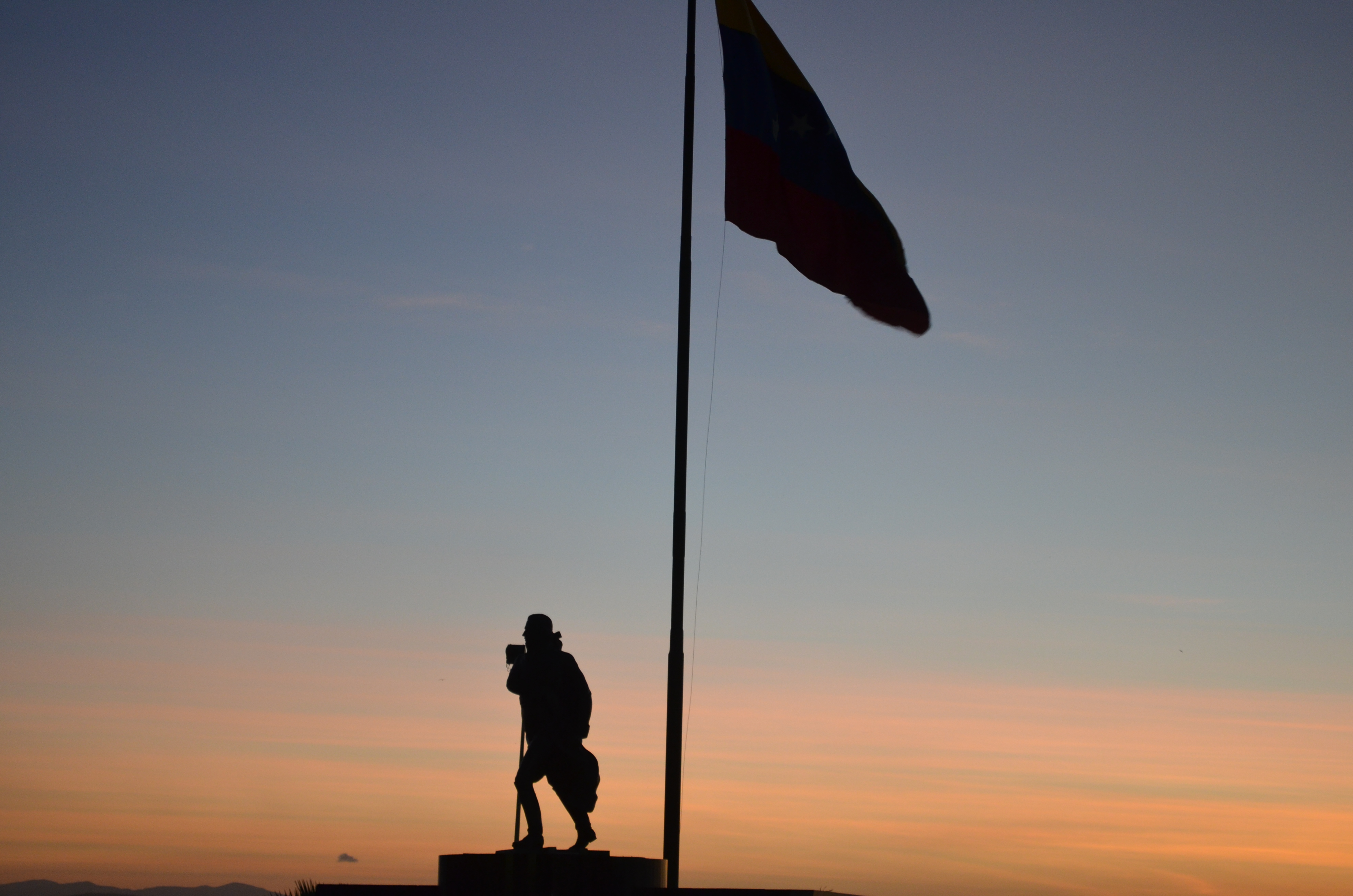
In August 1806, Francisco de Miranda sailed into the port of La Vela de Coro with a couple hundred soldiers and an untested flag. The tricolor he unfurled on landing - yellow, blue, and red - had never flown on Venezuelan soil before. His expedition to liberate the colony from Spain was, by any military measure, a disaster: he captured the nearby city of Coro, found no local support, retreated when Spanish forces mobilized, and eventually auctioned his corvette the Leander in Trinidad just to cover costs. Yet that flag endured. Venezuela's Flag Day, originally March 12 to mark its first unfurling in Haiti during the voyage, was moved in 2006 to August 3 - the date Miranda stepped ashore at La Vela. A failed invasion gave a nation its most enduring symbol.
The German Colony Spain Forgot
Before Miranda, before the flag, La Vela and its twin city Coro bore witness to one of the strangest chapters in colonial history. In 1528, Holy Roman Emperor Charles V - deep in debt to German banking houses - signed over the Venezuela Province to the Welser family of Augsburg. Coro became the first German colony in the Americas, governed not by conquistadors but by bankers seeking a return on investment. The arrangement was as brutal as any Spanish venture and far less successful. The Welsers sent expeditions into the interior searching for El Dorado, enslaved indigenous people, and clashed with Spanish settlers who resented foreign control of what they considered their territory. In 1546, the last Welser governor, Bartholomeus VI, was beheaded, and the charter was revoked. The German interlude left few physical traces in Coro but planted a thread of cosmopolitanism that would later express itself in the town's distinctive architecture - a blend of Spanish Colonial and Dutch Caribbean styles born from proximity to Curacao and Bonaire.
Two Towns, One Heritage
Coro and La Vela sit close enough to form a single urban area, though they belong to different municipalities - Miranda and Colina, respectively. Both were founded by the Spanish in the 16th century, and both preserve historic districts that earned UNESCO World Heritage status in 1993. The architecture is what sets them apart from other Venezuelan colonial towns. Because of their proximity to the Dutch Caribbean islands, the buildings mix Spanish Colonial grandeur with Dutch influences - stepped gables, pastel facades, and proportions that feel more Willemstad than Caracas. The World Heritage designation covers 18.40 hectares total: 7.85 in Coro and 10.55 in La Vela's port area, including the old aduana, the customs house that once processed goods flowing between the Caribbean and the Venezuelan interior. Walking through these streets is an exercise in reading architectural code - each building revealing which empire, which trading partner, which century shaped its walls.
Mud Walls and Rising Water
The same traditional mud construction that gives La Vela its visual warmth also threatens its survival. Earthen building techniques, used for centuries across Venezuela's arid northwest, create structures that breathe in the heat and age with a handmade beauty that concrete cannot replicate. But mud is vulnerable. Heavy rains in 2004 and 2005 damaged buildings throughout the historic district, a cruel irony for a semi-arid region where drought is the usual concern. Inappropriate development encroached on the protected zones. By 2005, UNESCO placed Coro and its Port on the World Heritage in Danger list, where it remained as of 2019. The organization acknowledged progress - corrective measures were underway, and a comprehensive drainage plan was among the requested improvements - but the fundamental challenge persists. How do you preserve buildings made from the earth itself when the climate, the economy, and the pace of modern development all conspire against them?
Miranda's Long Shadow
A walkway called the Paseo Generalisimo Francisco de Miranda now traces the route of Miranda's 1806 landing, built for the 200th anniversary of the event. It is a grand name for what was, at the time, a humiliating retreat. Miranda arrived with grand ambitions and a borrowed flag, captured an empty city, and left with nothing but debt. He would go on to play a larger role in South American independence movements before dying in a Spanish prison in 1816, never seeing the free Venezuela he had imagined. But La Vela remembers the landing, not the retreat. The port town that watched a failed revolutionary step ashore with an unknown flag now celebrates that moment as the birth of a national identity. A statue of Miranda stands near the waterfront. The flag he carried - slightly modified over two centuries - still flies across the country. La Vela itself remains small, its colonial streets quiet, its heritage fragile. But the story it tells is one of the most powerful in Venezuelan history: that symbols can outlast the failures that create them.
From the Air
Located at 11.46N, 69.57W on Venezuela's northwestern Caribbean coast in Falcon state. La Vela de Coro is visible from altitude as a compact port settlement adjacent to the larger city of Coro to the south. The historic core with its colonial architecture sits near the waterfront. Jose Leonardo Chirino Airport (SVCR) near Coro is approximately 10 km south. The Medanos de Coro sand dunes are visible to the northwest along the isthmus. The Paraguana Peninsula extends northward beyond the isthmus. The Dutch Caribbean islands of Curacao and Bonaire are visible on clear days to the north-northeast, roughly 130 km away - explaining the Dutch architectural influences in the town. Best viewed on approach from the sea, where the port's relationship to the Caribbean trade routes becomes clear.