Åland Islands
The coat of arms shows a golden red deer on a blue field - an animal that has never lived on these islands. It was assigned to Aland by bureaucratic mistake in 1560, intended for the Swedish island of Oland instead. This happy accident suits a place defined by historical accidents and improbable compromises. Aland is an autonomous, demilitarized archipelago of over 6,500 islands and skerries where Swedish is the only official language, yet sovereignty belongs to Finland. Its neutral status during World War II let merchant ships sail for both the Allies and Nazi Germany without being attacked. Today, ferry passengers buy duty-free goods here thanks to a special EU exception that makes this tiny region one of the wealthiest in all of Finland. Scattered across the entrance to the Gulf of Bothnia, Aland has turned geographic vulnerability into diplomatic advantage for over a century.
Where Empires Collided
Seven thousand years ago, as the land rose from the sea after the last Ice Age, people of the Comb Ceramic culture became Aland's first settlers. Viking burial sites number over 380, and six Iron Age hillforts still punctuate the landscape. But Aland's modern story begins with imperial ambition. Sweden ceded these islands along with Finland to Russia in 1809, and by 1832, the Russians were building the fortress of Bomarsund to project power into the Baltic. The Crimean War brought British and French warships in 1854, and they reduced Bomarsund to rubble. The resulting Treaty of Paris demilitarized the archipelago - a status that, with one Russian interruption during World War I, has held ever since. When Finland gained independence in 1917, Alanders voted overwhelmingly to join Sweden instead. The League of Nations ruled in 1921 that Finland would keep sovereignty but must grant political autonomy, creating the framework that governs the islands today.
A Nation Within a Nation
Aland operates its own postal service, flies its own flag, maintains its own police force, and uses distinct amateur radio call signs. The regional parliament, the Lagting, first convened in Mariehamn on June 9, 1922 - now celebrated as Self-Government Day. Swedish is the mandatory language; Finnish was traditionally required in upper secondary schools but has become increasingly optional. The Governor is appointed by Finland's president after consulting the Lagting - and if they disagree, the Lagting proposes five candidates for the president to choose from. This delicate balance of autonomy within sovereignty has made Aland a model studied by diplomats dealing with minority regions worldwide. The Aland Convention of 1921 was the League of Nations' first major international agreement, guaranteeing not just political autonomy but cultural and linguistic rights that endure over a century later.
Islands of Prosperity
Shipping drives 40% of Aland's economy, a fitting statistic for islands where Mariehamn was once the home port of the last great commercial sailing ships. Shipowner Gustaf Erikson's windjammers carried Australian wheat to Britain until 1947, returning each voyage to rest in Aland's harbors. The museum ship Pommern, moored in Mariehamn, preserves that heritage. Modern Aland has found a different maritime gold mine. When the EU banned duty-free sales on internal ferries, Finland negotiated an exception for Aland - the islands lie outside the EU VAT area, making stops at Mariehamn or Langnas commercially valuable for ferry operators. Two million visitors pass through annually, most staying just hours during ferry stopovers. Wind power now supplies over half of Aland's electricity, and Eurostat ranked the region the 20th wealthiest of the EU's 268 regions in 2006 - and the wealthiest in Finland, with GDP per person 47% above the European average.
Thin Soil, Deep Roots
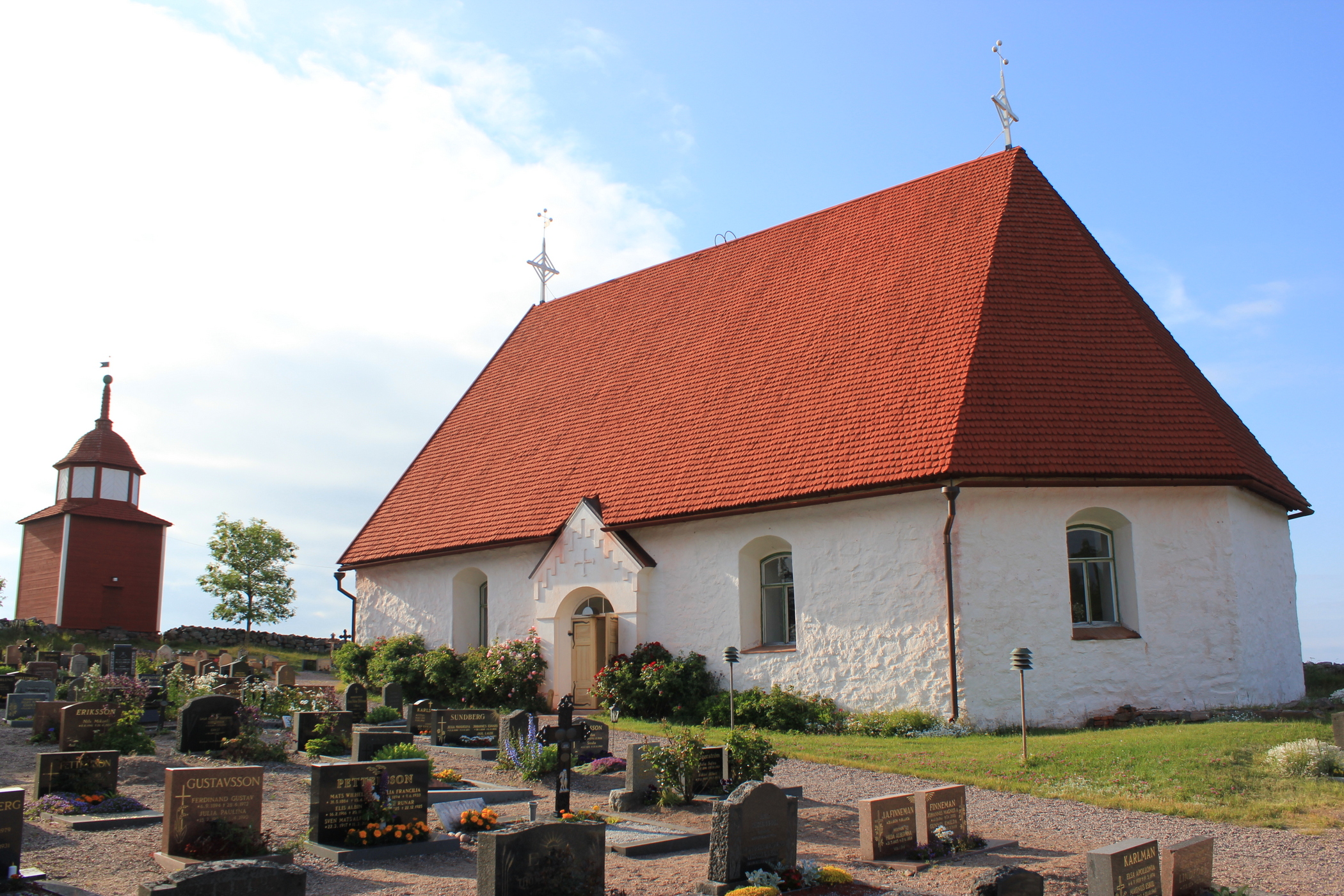
Glaciers shaped Aland's rocky terrain and thin soil. About 90% of the roughly 30,000 residents live on Fasta Aland, the main island, with the capital Mariehamn holding over 40% of the total population. The remaining islands and skerries stretch eastward, blending into the Finnish archipelago in a chain of stepping stones across the Baltic. St. Olaf's Church in Jomala, built in the late 13th century, is generally considered Finland's oldest surviving church building. The islands have produced three-time Nobel Prize nominee Sally Salminen, Olympic gold medalist Frej Liewendahl, and heavyweight boxing contender Robert Helenius. The men's football club IFK Mariehamn plays in Finland's top league, while the islands have hosted the Island Games and women's curling championships. Remote yet connected, autonomous yet part of Finland, Swedish-speaking yet governed from Helsinki - Aland embodies contradictions that somehow work, turning accidents of history into a template for peaceful coexistence.
From the Air
Located at approximately 60.12N, 19.90E in the Baltic Sea between Sweden and Finland. The main island of Fasta Aland and the capital Mariehamn are clearly visible from cruising altitude. Mariehamn Airport (EFMA) serves the islands with connections to mainland Finland and Sweden. Stockholm Arlanda (ESSA) lies roughly 300 km west, Helsinki-Vantaa (EFHK) approximately 300 km east. The archipelago of over 6,500 islands and skerries creates a distinctive fragmented landscape visible from the air. Major ferry routes between Sweden and Finland pass through these waters.